Dogwood
Cornus florida
Flowering dogwood is a small ornamental tree beloved for its spring display of showy white or pink bracts. Native to eastern North America, it offers four-season interest with berries and red fall foliage.
- Light
- Partial shade to full sun
- Water
- Moderate; keep evenly moist
- Difficulty
- Moderate
Got a plant like this?
Identify any plant from a photo, free.
Overview
Dogwood most often refers to flowering dogwood (Cornus florida), a small deciduous understory tree native to eastern North America and one of the most popular ornamental trees in the United States.
Its famous spring "flowers" are actually four large white or pink bracts (modified leaves) surrounding a small cluster of true tiny flowers in the center. The display is followed by glossy red berries, attractive layered branching, and burgundy-red fall color.
Dogwood thrives as an understory tree and is a state tree or flower in several US states, prized for its year-round beauty.
How to identify it
- "Flowers": Four broad, notched white or pink bracts, 2–4 in across, surrounding a central cluster of small greenish-yellow true flowers in spring.
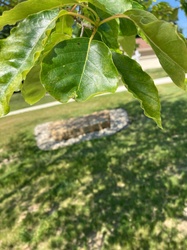
- Leaves: Opposite, oval, 3–6 in long, with smooth wavy edges and distinctive curving (arcuate) veins; turn red to purple in fall.
- Fruit: Clusters of glossy red berries (drupes) ripening in late summer to fall.
- Bark: Gray-brown, broken into small blocky plates resembling alligator skin.
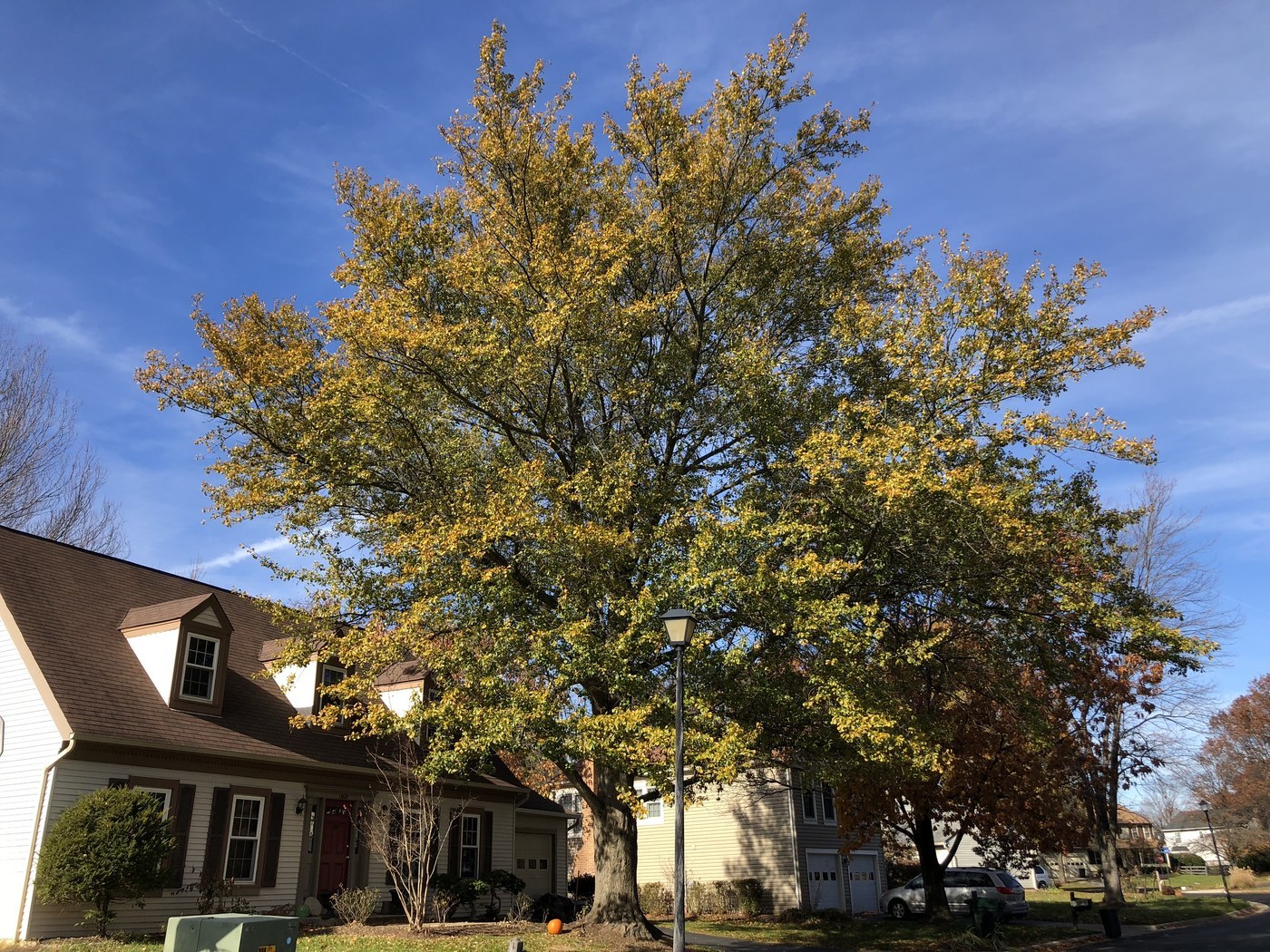
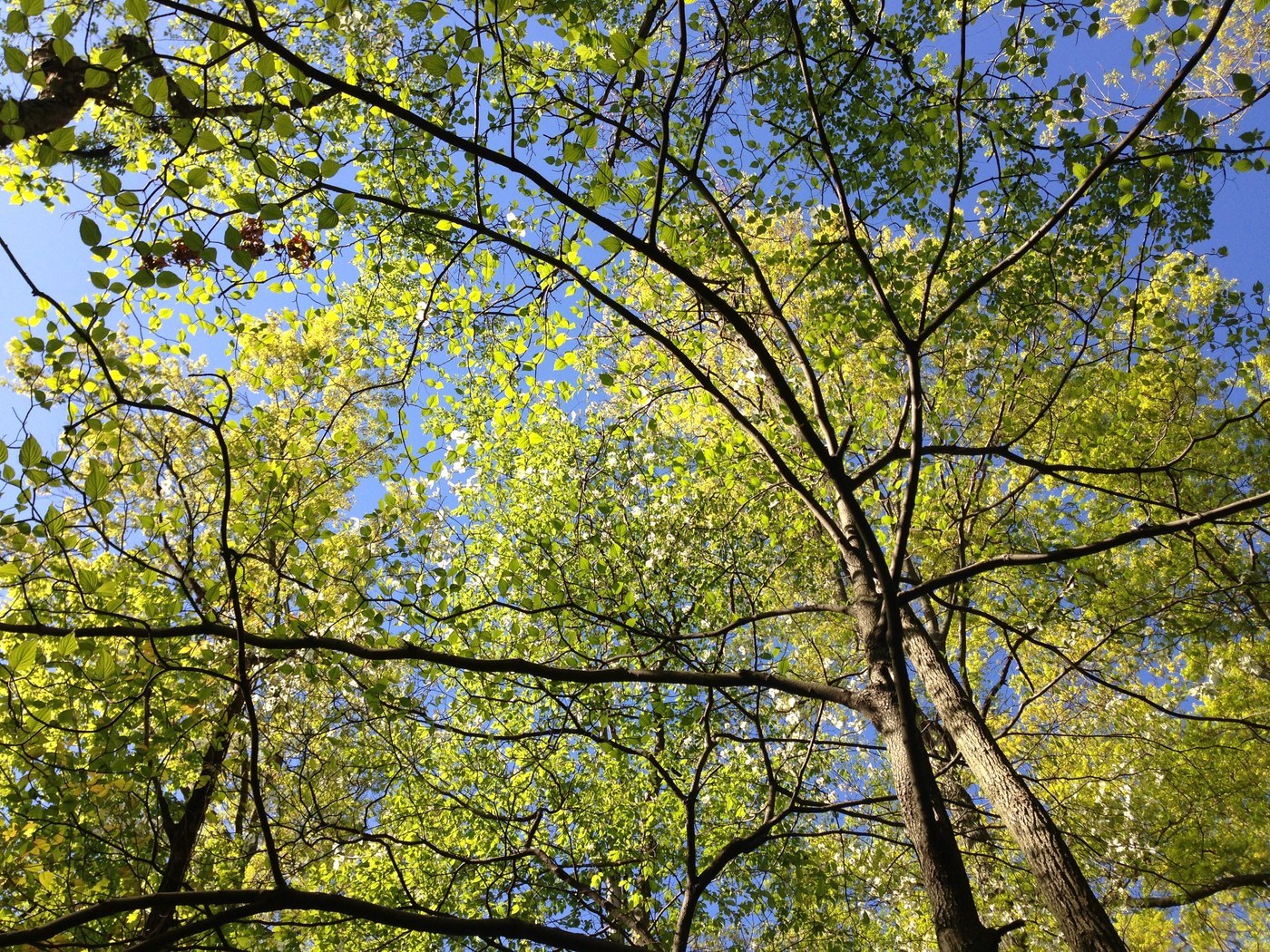
- Habit: Small tree, 15–30 ft tall, with a horizontal, layered branching pattern.
Care & growing
Flowering dogwood does best in partial shade (as a natural understory tree) but tolerates full sun with adequate moisture.
- Water: Keep soil evenly moist; dogwoods have shallow roots and are sensitive to drought.
- Soil: Rich, well-drained, slightly acidic soil amended with organic matter; mulch to keep roots cool.
- Temperature: Hardy in USDA zones 5–9.
- Feeding: Light spring feeding; avoid over-fertilizing.
- Propagation: By softwood cuttings, seed (stratified), or grafting for named cultivars.
- Note: Watch for dogwood anthracnose and powdery mildew, especially in shade with poor air circulation.
Habitat & origin
Flowering dogwood is native to eastern North America, from southern Ontario and Maine south to Florida and west to Texas, with related forms in Mexico.
In the wild it grows as an understory tree in moist, well-drained deciduous forests and woodland edges. It is widely planted as a specimen and foundation tree in gardens and landscapes across temperate regions.
Frequently asked questions
Are dogwood's white 'petals' actually flowers?
No. The four showy white or pink structures are bracts (modified leaves); the true flowers are the small greenish cluster in the center.
Can I grow dogwood in full sun?
Yes, but as a natural understory tree it prefers partial shade and consistently moist soil; in full sun it needs extra watering and mulch.
Why are dogwood leaves turning brown or spotted?
This often indicates dogwood anthracnose or powdery mildew; improve air circulation, avoid wetting foliage, and keep the tree healthy and well-watered.
How can I identify a flowering dogwood?
Look for four notched white or pink bracts in spring, opposite oval leaves with curving veins, blocky alligator-skin bark, and a small tree with horizontal, layered branches.
Dogwood guides
In-depth guides for identifying, growing, and caring for Dogwood.
How to Care for Dogwood
Flowering Dogwood is a graceful understory tree that shines in dappled light with cool, evenly moist, acidic soil.
Dogwood Identification Guide
How to identify Dogwood (Cornus, especially flowering dogwood Cornus florida) by its four showy notch-tipped bracts, arcing leaf veins, and red berry clusters.
Dogwood identified by the community
Real specimens identified with Plant Identifier.