How to Care for Eastern Red Cedar
Growing guide for Juniperus virginiana, a tough, drought-tolerant evergreen conifer for full-sun landscapes.
Read the full Eastern Red Cedar encyclopedia entry →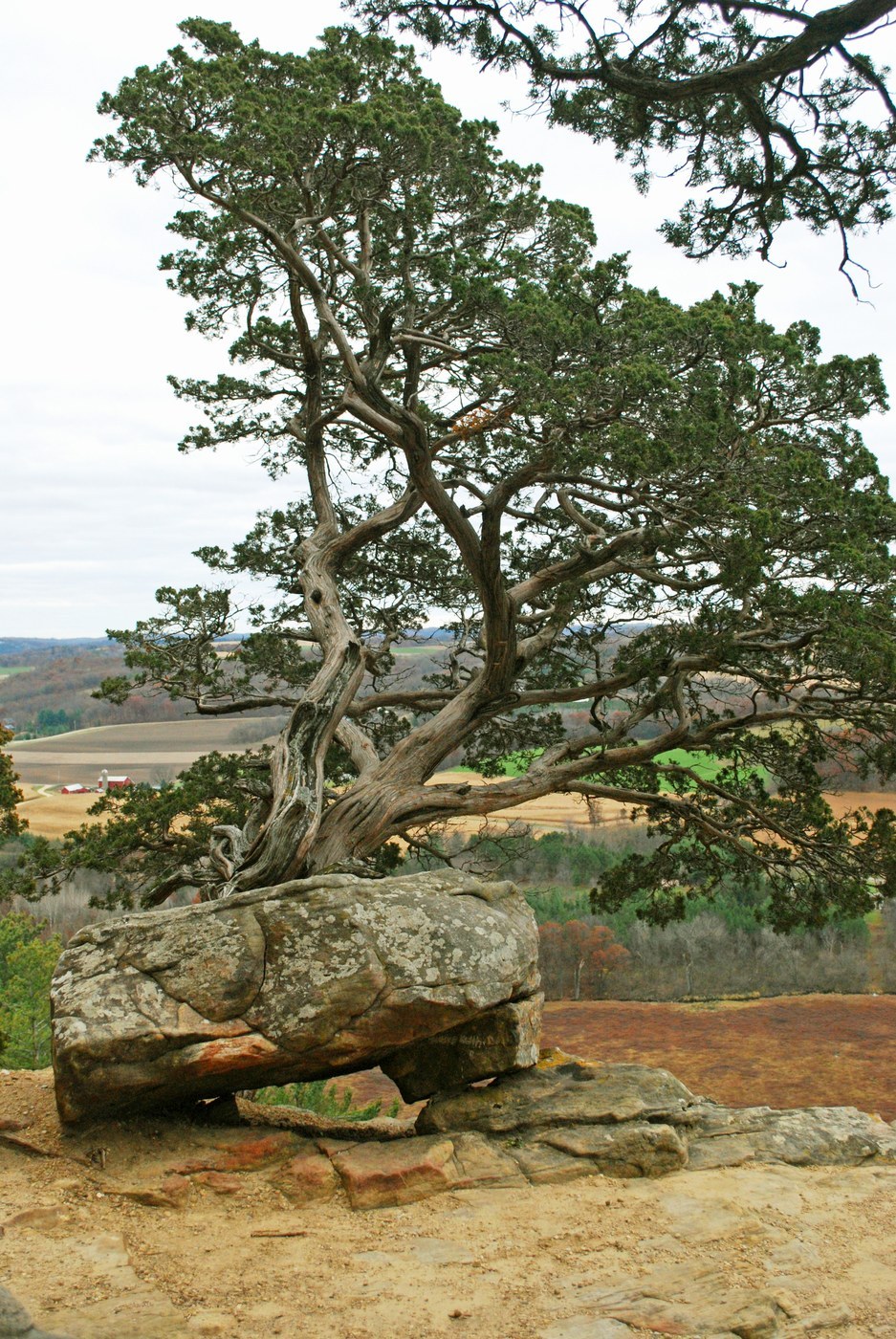
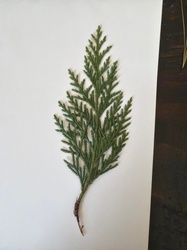
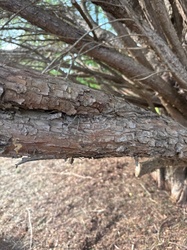
Eastern Red Cedar (Juniperus virginiana) is a rugged, adaptable North American evergreen juniper, actually a conifer rather than a true cedar, valued for its dense, aromatic foliage, reddish shreddy bark, and bluish frosted cones. It is one of the toughest and most drought-tolerant conifers, thriving in poor, dry, exposed sites where few other trees succeed, which is why it rates as an easy plant.
Light
Grow in full sun for the densest, healthiest, best-coloured growth. It tolerates a little light shade but becomes thin, open, and floppy without ample sun. Give it an open, sunny position with good air movement and room to develop its natural pyramidal or columnar form.
Water
Eastern Red Cedar has low water needs and is exceptionally drought tolerant once established. Water regularly through the first year or two to build a deep root system, then it generally thrives on natural rainfall alone. It resents soggy, poorly drained ground, so lean toward under- rather than over-watering mature trees.
Soil & Potting
Undemanding about soil, it grows in dry, rocky, sandy, or clay ground and tolerates a wide pH range including alkaline and poor, thin soils. The essential requirement is good drainage; it dislikes constantly wet feet. It also withstands wind, heat, cold, and coastal salt spray, making it a reliable choice for exposed and difficult sites.
Humidity & Temperature
This is a very hardy temperate conifer, comfortable across a broad range of cold and heat and unfazed by low humidity, wind, or drought. Established trees need no protection. It is well suited to continental climates with hot summers and cold winters and shrugs off temperature extremes.
Feeding
Eastern Red Cedar rarely needs feeding and grows well in lean soils. If growth is sluggish in very poor ground, a light application of a balanced or slow-release fertiliser in early spring is sufficient. Avoid heavy feeding, which forces soft, weak growth on this naturally tough, slow-to-moderate grower.
Propagation
It is propagated from seed, which needs cold stratification and can be slow and erratic to germinate, or from semi-hardwood cuttings taken in late autumn or winter and rooted under humid conditions, often with bottom heat and rooting hormone. Named cultivars are usually grown from cuttings or grafting to stay true to form.
Repotting / Pruning
As a landscape tree it needs little pruning; simply remove dead, damaged, or crossing branches and lightly shape in late winter or early spring. It tolerates shearing well, which makes it useful for hedges, screens, and topiary. Container or bonsai specimens should be repotted in early spring into a gritty, free-draining mix.
Common Problems & Pests
Generally trouble-free, but it can host cedar-apple rust, a fungal disease that forms gelatinous orange galls on the branches and needs a nearby apple or hawthorn to complete its cycle, so avoid planting it close to those hosts. Bagworms can defoliate branches and should be picked off or treated. Spider mites may appear in hot, dry spells. Good drainage prevents most root problems.
Seasonal Care Tips
Plant in spring or autumn and water regularly through the establishment period. Do any shaping or hedge trimming in late winter to early spring before new growth. Inspect for bagworms in summer and remove them promptly, and watch for the orange rust galls in wet spring weather. Mature trees are essentially self-sufficient year-round.
Frequently asked questions
How much water does an Eastern Red Cedar need?
Very little once established. Water regularly for the first year or two to develop deep roots, after which it is highly drought tolerant and usually thrives on rainfall alone. It dislikes soggy soil, so avoid overwatering.
Can it grow in poor, dry soil?
Yes, that is one of its great strengths. It tolerates rocky, sandy, clay, thin, and alkaline soils and exposed, windy, coastal sites. The one thing it requires is good drainage rather than constantly wet ground.
What are the orange jelly-like growths on the branches?
Those are galls from cedar-apple rust, a fungal disease that alternates between junipers and apples or hawthorns. Prune out visible galls and avoid planting the tree near apple or hawthorn hosts to reduce the problem.
Can I use it as a hedge or for bonsai?
Yes. Its dense foliage tolerates shearing well, making it good for hedges, screens, and topiary, and it is a classic bonsai subject. Trim in late winter to early spring and keep bonsai specimens in a gritty, free-draining mix.
Eastern Red Cedar identified by the community
Recent Eastern Red Cedar specimens identified with Plant Identifier.