Eastern Red Cedar
Juniperus virginiana
Eastern Red Cedar is a tough, aromatic evergreen juniper native to North America, known for its reddish, fragrant wood and blue berry-like cones. It thrives in poor, dry soils.
- Light
- Full sun
- Water
- Low; very drought tolerant
- Difficulty
- Easy
Got a plant like this?
Identify any plant from a photo, free.
Overview
Eastern Red Cedar (Juniperus virginiana) is an evergreen conifer native to eastern North America. Despite the name, it is a juniper, not a true cedar.
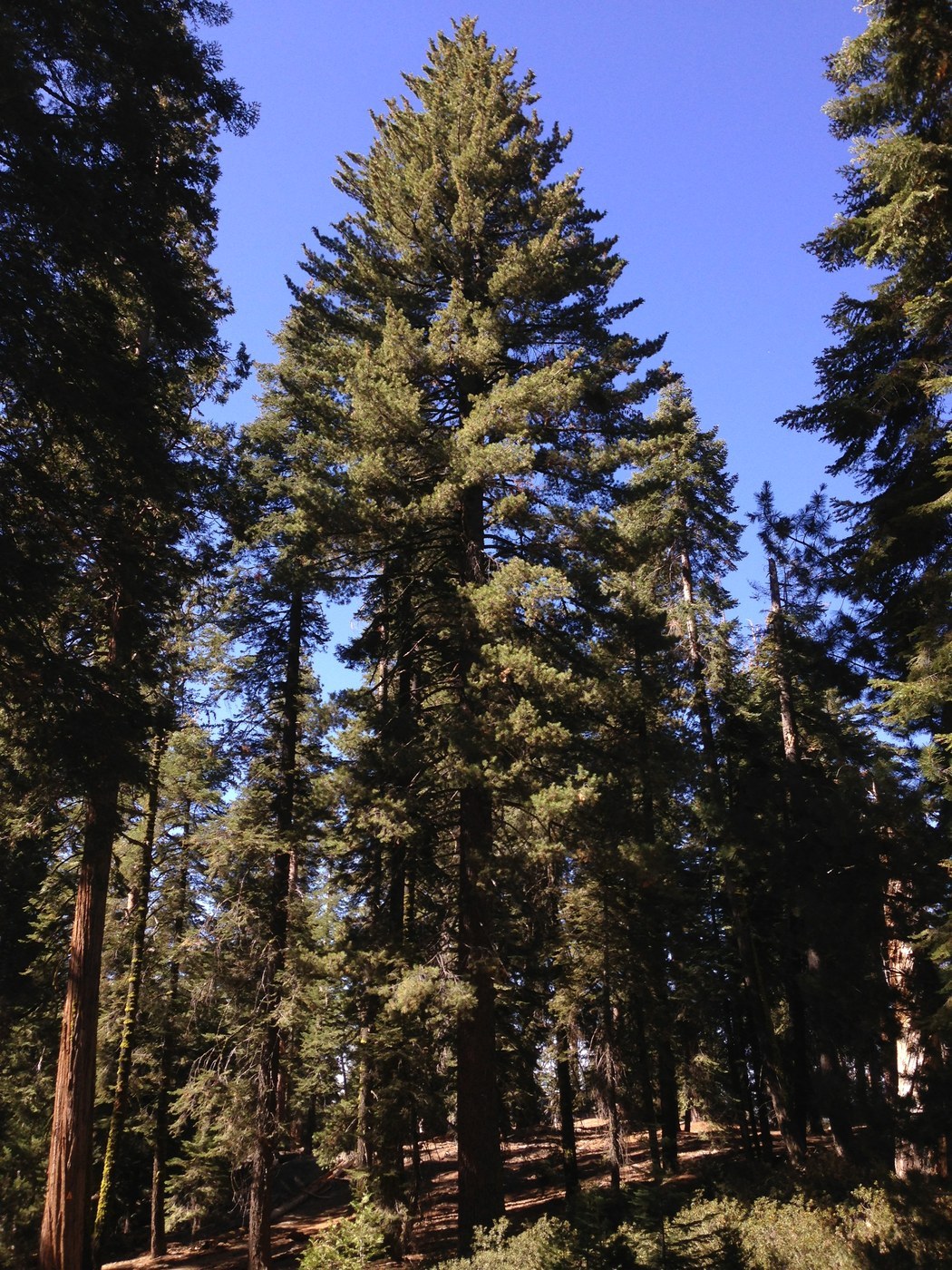
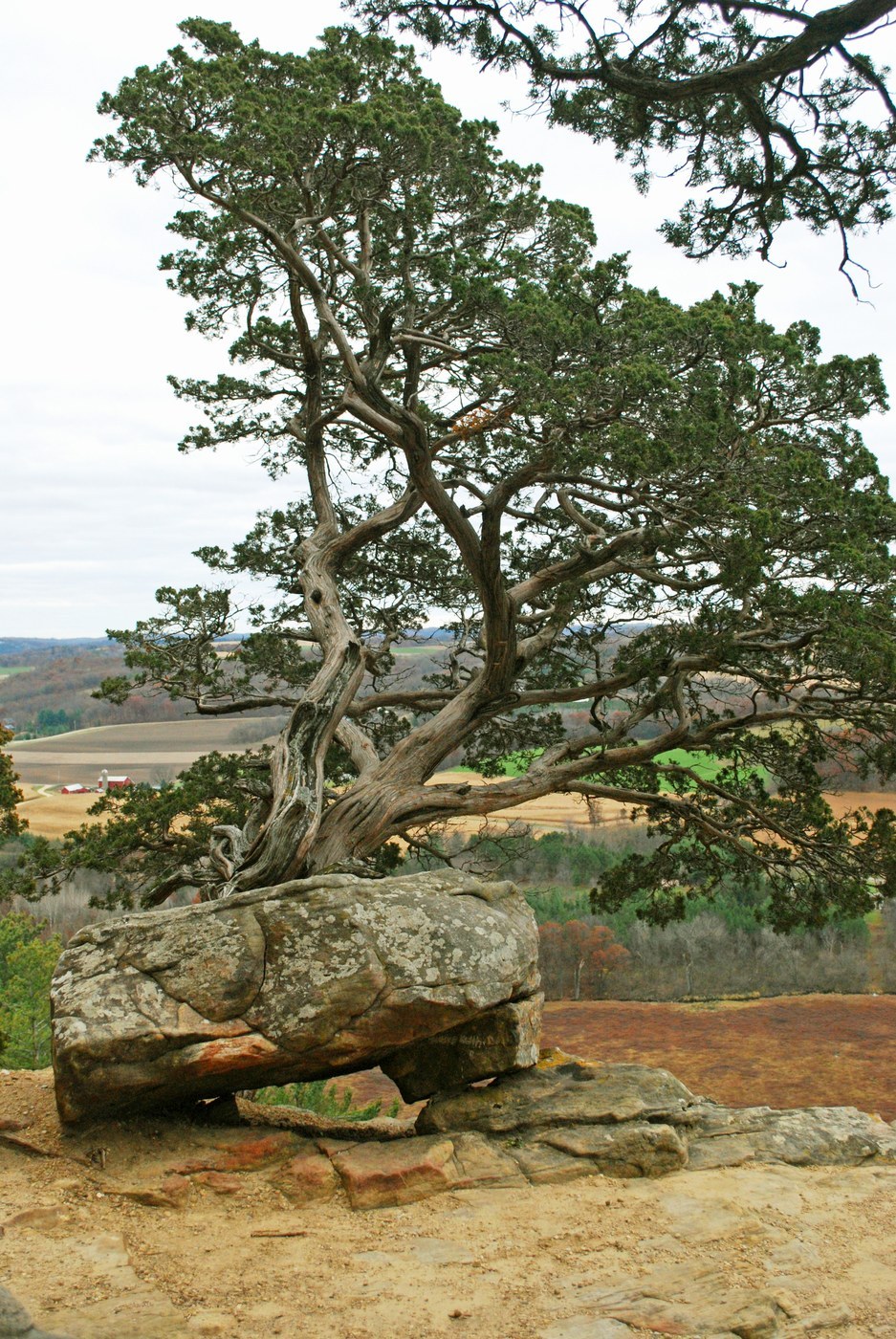
It is a pioneer species that readily colonizes old fields, fencerows, and poor soils, forming a dense, pyramidal to columnar tree typically 30 to 50 feet tall. The aromatic, rot-resistant reddish heartwood is widely used and gives the tree its name.
Female trees bear waxy, berry-like blue cones that are an important winter food for birds, while the foliage provides cover and nesting habitat.
How to identify it
Identified by its scale-like foliage, berry-like cones, and shreddy bark.
- Foliage: Tiny, dark green, scale-like leaves on mature growth; young or vigorous shoots bear sharp, needle-like juvenile leaves
- Cones: Female trees produce round, berry-like cones about 0.25 inch across, blue with a waxy bloom
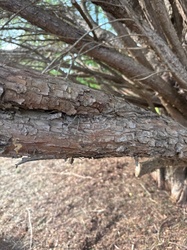
- Bark: Reddish-brown, fibrous, peeling in thin vertical strips
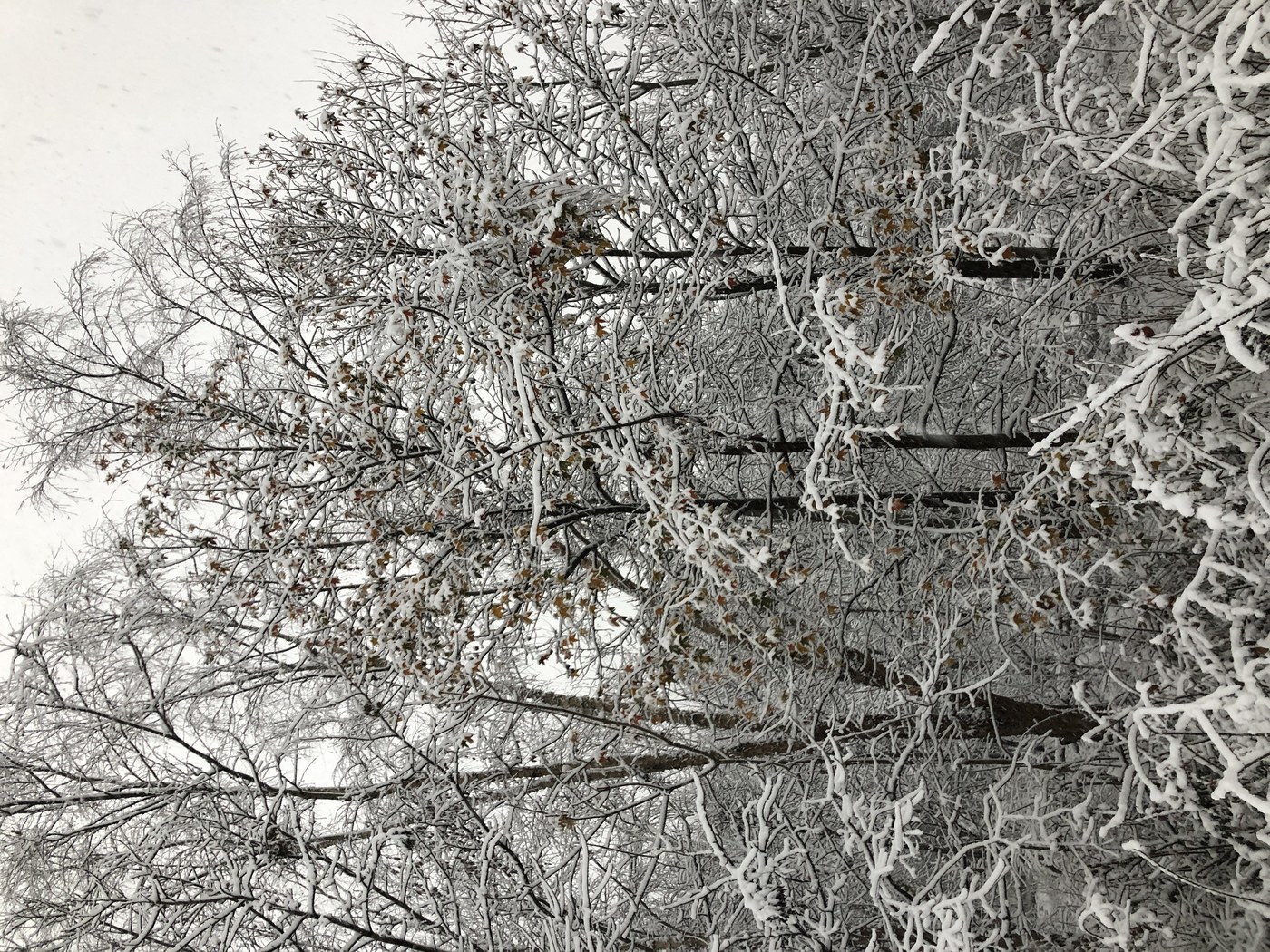
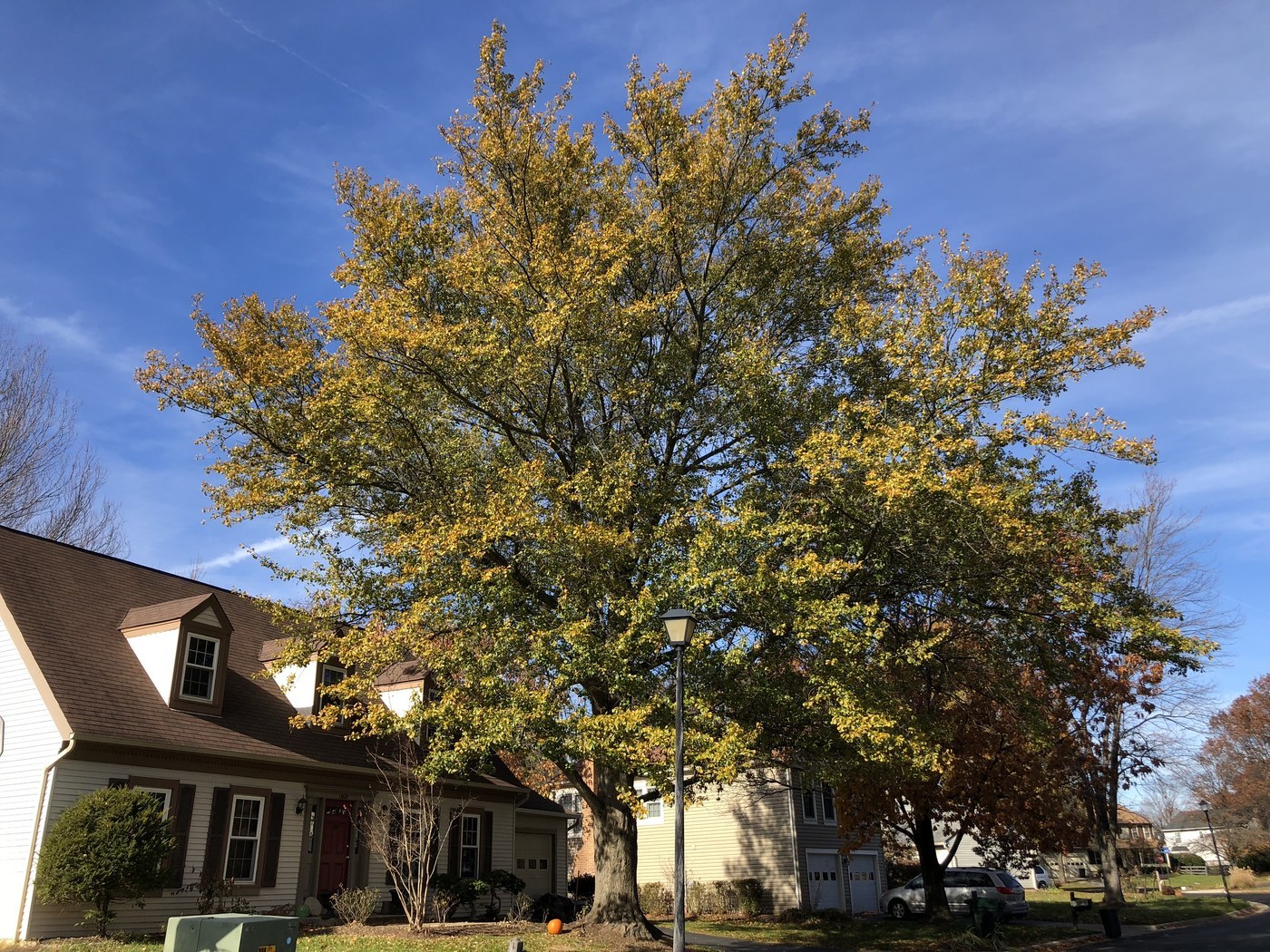
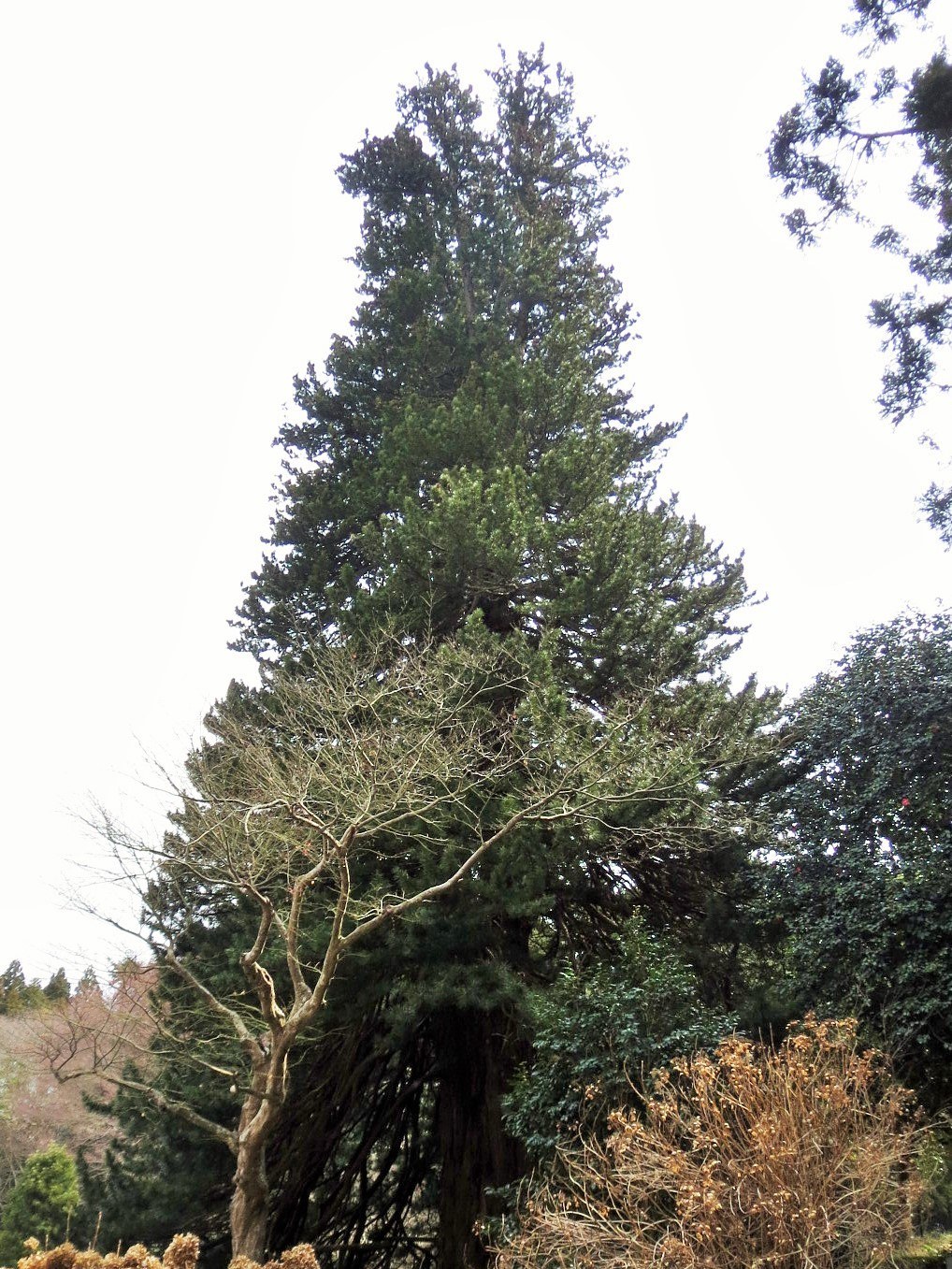
- Habit: Dense, pyramidal to columnar; aromatic foliage and wood
- Size: Typically 30 to 50 feet tall
Care & growing
One of the toughest and most adaptable native conifers.
- Light: Full sun; intolerant of heavy shade
- Water: Very drought tolerant once established
- Soil: Grows in almost any well-drained soil, including dry, rocky, sandy, and alkaline ground
- Temperature: Extremely hardy (USDA zones 2 to 9)
- Feeding: Rarely needed
- Propagation: From seed (often dispersed by birds) or cuttings
Habitat & origin
Native to the eastern and central United States and into southern Canada, from the Atlantic coast to the Great Plains, growing in old fields, prairies, glades, and rocky outcrops.
A hardy pioneer, it readily spreads into open and disturbed land. It is also planted as a windbreak, screen, and ornamental, and is a major colonizer of abandoned farmland.
Frequently asked questions
Is Eastern Red Cedar a true cedar?
No. It is actually a juniper (Juniperus virginiana). True cedars belong to the genus Cedrus. Its red, fragrant wood led to the common name.
Why does it cause problems near apple trees?
It is an alternate host for cedar-apple rust, a fungal disease that needs both junipers and apples to complete its life cycle, so the two are best kept apart in orchards.
Does it tolerate poor soil?
Exceptionally well. It thrives on dry, rocky, sandy, and alkaline soils where many trees fail, which is why it colonizes old fields so readily.
Eastern Red Cedar guides
In-depth guides for identifying, growing, and caring for Eastern Red Cedar.
How to Care for Eastern Red Cedar
Growing guide for Juniperus virginiana, a tough, drought-tolerant evergreen conifer for full-sun landscapes.
Eastern Red Cedar Identification Guide
Recognize Eastern Red Cedar (Juniperus virginiana), a native juniper, by its prickly-then-scaly foliage, frosty blue berry-like cones, and shreddy reddish bark.
Eastern Red Cedar identified by the community
Real specimens identified with Plant Identifier.