How to Care for English Oak
Grow the majestic English Oak (Quercus robur) with full sun, deep moist soil, and patient care for a long-lived, spreading shade tree.
Read the full English Oak encyclopedia entry →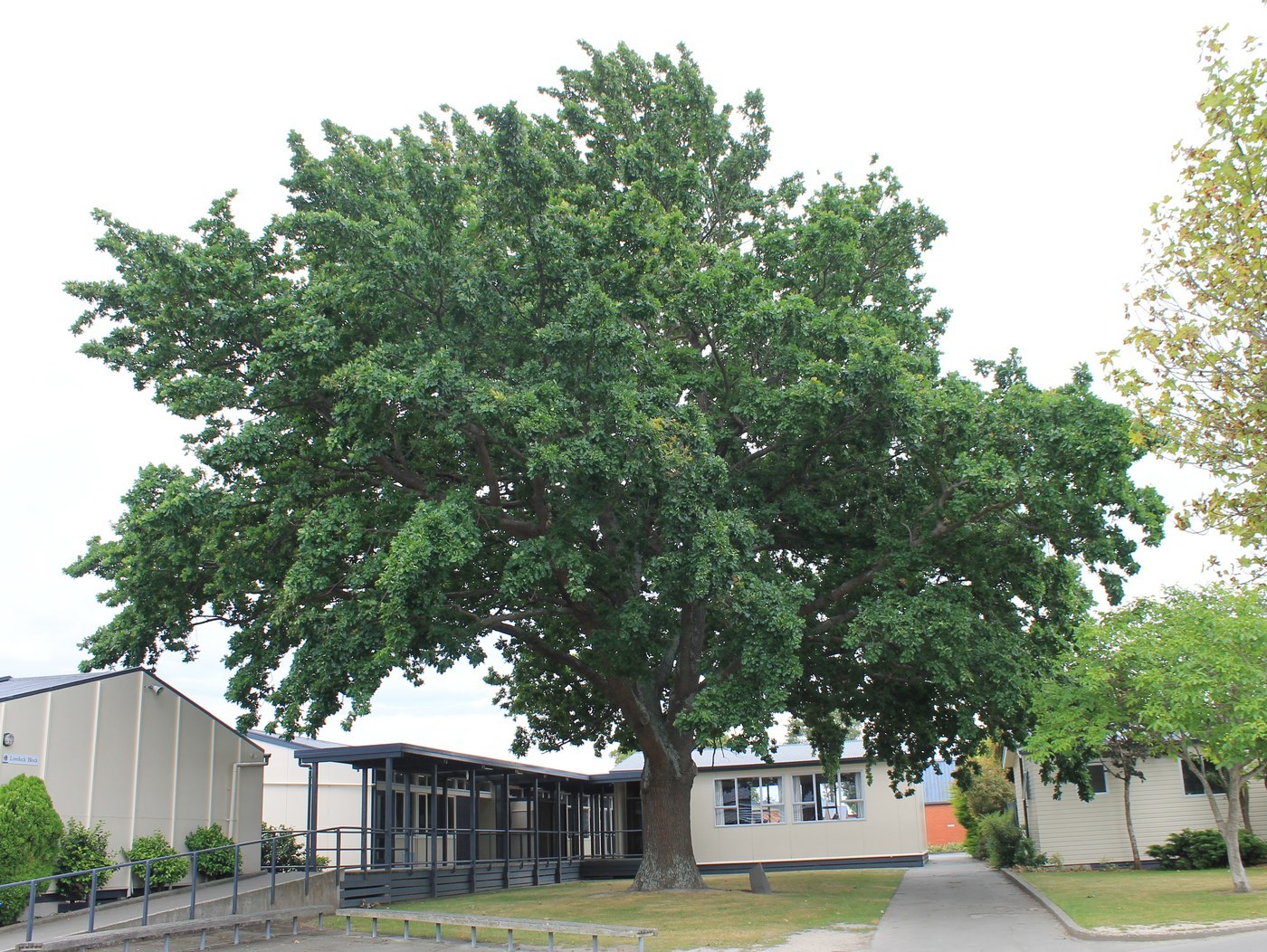
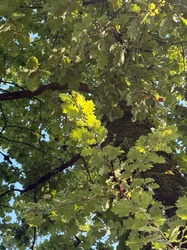
English Oak (Quercus robur) is a large, long-lived deciduous tree with a broad, spreading crown, lobed leaves, and distinctive acorns on long stalks. It is a slow-to-establish but extremely durable landscape tree, best suited to large gardens, parks, and open spaces where it has room to reach its full stature over many decades.
Light
English oak needs full sun to develop a strong, well-balanced canopy and grow at its best. Young trees tolerate light shade but become drawn and weak if too heavily shaded. Plant it in an open position with plenty of overhead light and space for the crown to spread wide as it matures.
Water
Provide moderate, regular watering during the first few years to establish deep roots, keeping the soil moist but not waterlogged. English oak prefers deep, moist soil and tolerates occasionally wet ground better than many trees. Once well established, it is fairly drought-tolerant thanks to its deep taproot, but young trees benefit from deep watering during dry spells.
Soil & Potting
This oak grows best in deep, fertile, moisture-retentive loam and tolerates heavy clay well. It adapts to a range of soil pH but favors neutral to slightly acidic conditions. Good soil depth matters because oaks develop a strong taproot when young. Improve poor soils with organic matter at planting, and avoid shallow, compacted, or persistently bone-dry sites.
Humidity & Temperature
English oak is a hardy temperate tree that withstands cold winters, wind, and a wide range of climates. It handles average humidity and seasonal weather swings well. Mature trees are very resilient; only young transplants need protection from extreme drought or harsh exposure in their first seasons.
Feeding
Established oaks rarely need feeding in reasonable soil. For young trees, a spring application of a balanced slow-release fertilizer can support steady growth, and an annual mulch of compost or leaf mold over the root zone supplies nutrients naturally. Avoid heavy nitrogen feeding, which forces soft, weak growth.
Propagation
English oak is grown from acorns, which are best sown fresh in autumn as soon as they ripen, since they lose viability if allowed to dry out. Sow them in deep pots or directly in the ground to accommodate the emerging taproot, and protect them from rodents. Germination occurs the following spring. Transplant young trees while still small to avoid disturbing the taproot.
Repotting / Pruning
Prune oaks minimally and only when needed to remove dead, damaged, or crossing branches and to establish a strong central leader when young. The best time to prune is late autumn to winter during dormancy to reduce disease risk. Any container-grown sapling should be planted out into the ground early, as oaks resent long confinement and root disturbance.
Common Problems & Pests
English oak can be affected by powdery mildew on young foliage, oak leaf galls caused by tiny wasps (usually harmless to the tree), and various caterpillars that chew leaves. More serious concerns include honey fungus, oak wilt, and canker diseases in stressed trees. Keep trees vigorous with good soil, appropriate watering, and minimal wounding to reduce disease susceptibility.
Seasonal Care Tips
Plant bare-root or young trees in autumn or early spring while dormant. Mulch the root zone annually with organic matter, keeping the mulch away from the trunk, to conserve moisture and feed the soil. Water deeply during summer droughts for the first few years. Do structural pruning in the dormant season, and simply allow this patient, long-lived tree the time and space it needs to mature.
Frequently asked questions
How fast does an English oak grow?
English oak is a slow to moderate grower, especially in its early years while it establishes a deep root system. It is a long-lived tree that puts on steady growth over many decades, so it rewards patience rather than quick results.
How do I grow an English oak from an acorn?
Sow fresh acorns in autumn as soon as they ripen, before they dry out, in deep pots or directly in the ground to allow for the taproot. Protect them from rodents and expect germination the following spring.
Does English oak need a lot of space?
Yes. It develops a broad, spreading crown and becomes a very large tree over time, so it needs an open position with plenty of room, well away from buildings and structures, ideally in a large garden or parkland setting.
When should I prune an English oak?
Prune in late autumn to winter during dormancy to reduce disease risk, and keep pruning minimal, removing only dead, damaged, or crossing branches. Establishing a strong central leader while the tree is young is the main formative task.
English Oak identified by the community
Recent English Oak specimens identified with Plant Identifier.