How to Care for Foxglove
Grow tall, spire-flowering foxglove in dappled cottage-garden beds with rich, evenly moist soil and light shade.
Read the full Foxglove encyclopedia entry →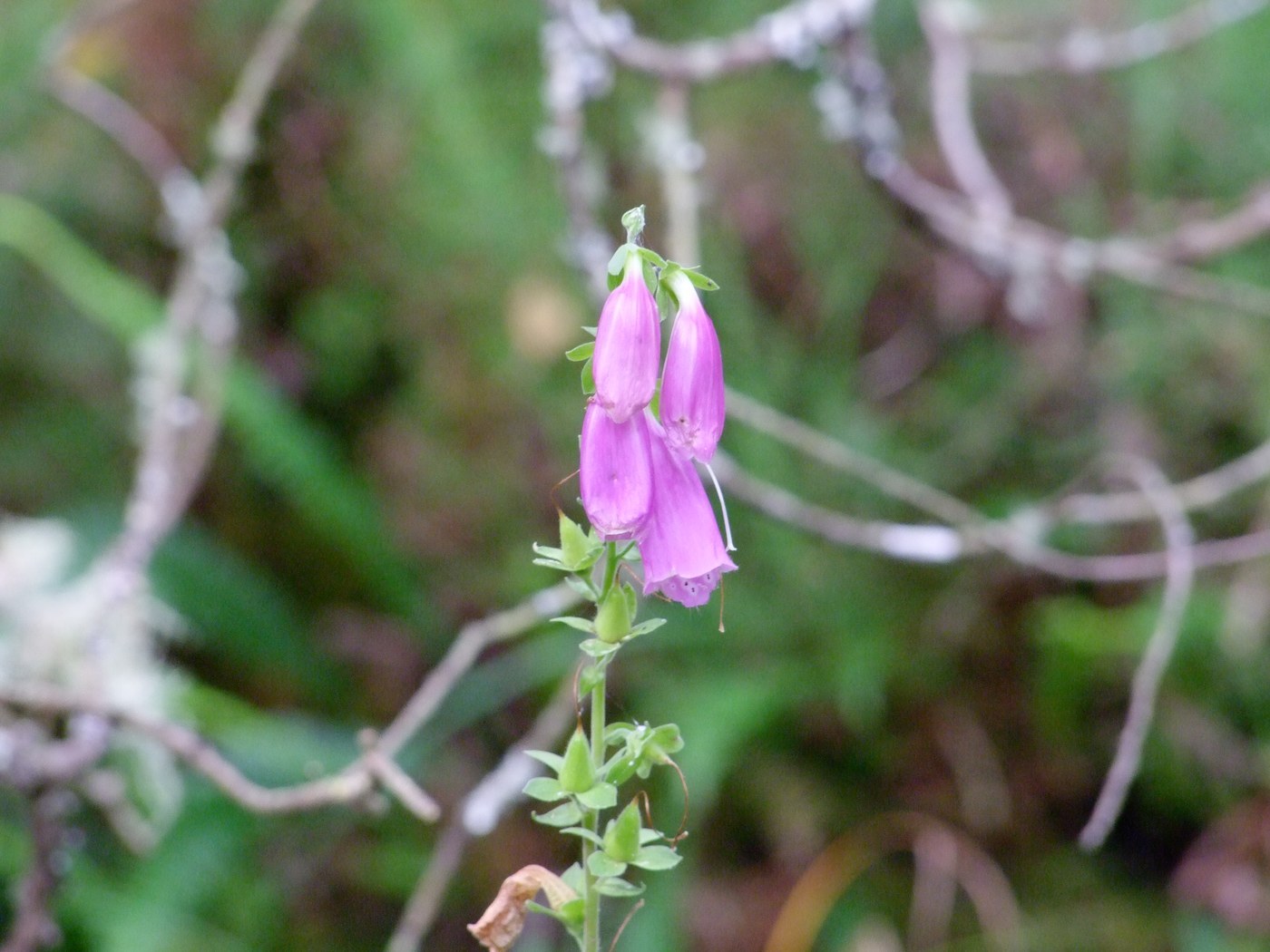
Foxglove (Digitalis purpurea) is a classic cottage-garden biennial prized for its dramatic vertical spires of tubular, freckled bells. It is easy to grow in the cool, humus-rich, partly shaded conditions of a woodland edge, and it self-sows generously to keep colonies going year after year.
Light
Foxglove performs best in partial shade to full sun. In cooler climates it can take nearly full sun as long as the soil stays moist, while in hot-summer regions it appreciates afternoon shade and the dappled light beneath deciduous trees. Too much dense shade produces leggy stems and fewer, weaker flower spikes.
Water
Keep the soil evenly moist throughout the growing season, especially during the leafy first-year rosette stage and again as the flower spikes elongate. Foxglove dislikes both drought and waterlogging. Deep, consistent watering during dry spells prevents the lower leaves from crisping and keeps the bloom spikes tall and full. Mulch helps hold moisture around the shallow roots.
Soil & Potting
Provide rich, moisture-retentive but well-drained soil high in organic matter. A slightly acidic to neutral pH suits it well. Work in compost or leaf mold before planting to mimic the loose woodland floor foxglove favors. Heavy clay that stays soggy in winter will rot the crown, so amend dense soils with grit and organic matter to improve drainage.
Humidity & Temperature
Foxglove is a cool-season plant that thrives in mild, temperate conditions and tolerates frost readily once established. It flowers best where summers are not brutally hot; high heat combined with dry air shortens the bloom period. Ambient garden humidity is fine, and no special measures are needed outdoors.
Feeding
Foxglove is not a heavy feeder. An annual spring topdressing of compost usually supplies enough nutrition. If growth is weak in poor soil, apply a balanced, all-purpose fertilizer once as the spikes begin to form. Avoid excess nitrogen, which encourages floppy foliage at the expense of sturdy flower stems.
Propagation
Foxglove is grown almost entirely from seed. Sow the tiny seeds on the surface of moist soil in late spring or early summer, pressing them in but not covering, since they need light to germinate. Plants form a leafy rosette the first year and bloom the second. Allow a few spikes to set seed and self-sow, or collect and scatter seed to maintain a continuous supply. Named perennial strains can sometimes be divided.
Repotting / Pruning
Deadhead the main spike after its first flush to encourage smaller side spikes to develop and extend the display. If you want the plant to self-sow, leave the final spikes to ripen and drop seed. Cut spent stalks to the ground once seeding is finished. Since most foxgloves are biennial, plan for staggered sowings so you always have both first-year rosettes and second-year bloomers.
Common Problems & Pests
Aphids can cluster on new growth and flower buds; a strong spray of water or insecticidal treatment controls them. Powdery mildew and leaf spot may appear in crowded, poorly ventilated plantings, so space plants for airflow. Crown rot occurs in soggy winter soil, making drainage the key preventive. Slugs and snails may chew young rosettes in spring.
Seasonal Care Tips
Sow seed in late spring to summer for bloom the following year. Keep young rosettes mulched and moist through their first season. In spring of the second year, feed lightly and water deeply as spikes rise. Deadhead through summer for a longer show, then let a few spikes seed themselves in late summer. In cold regions the rosettes overwinter in place and resume growth as temperatures warm.
Frequently asked questions
Why did my foxglove not flower this year?
Foxglove is usually biennial, forming only a leafy rosette its first year and blooming its second. First-year plants, or ones set out late, simply need another season before they send up spires.
How do I get foxglove to come back every year?
Because most types are biennial, let a few spent spikes ripen and drop their seed rather than deadheading everything. The self-sown seedlings fill in and keep the colony going indefinitely.
Can foxglove grow in full shade?
It tolerates partial shade well but dense full shade produces leggy, weak stems and sparse flowers. Aim for dappled light or morning sun with afternoon shade for the strongest spikes.
Should I cut back foxglove after blooming?
Deadheading the main spike encourages smaller side spikes and a longer show. Once you want seed to spread, leave the final spikes intact, then cut the whole stalk to the ground after seeding.
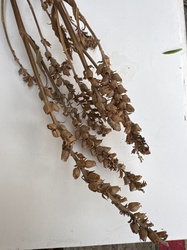
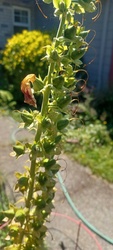
Foxglove identified by the community
Recent Foxglove specimens identified with Plant Identifier.