How to Care for Ginger
Grow lush ginger foliage indoors or out with warmth, humidity, rich moist soil and bright indirect light.
Read the full Ginger encyclopedia entry →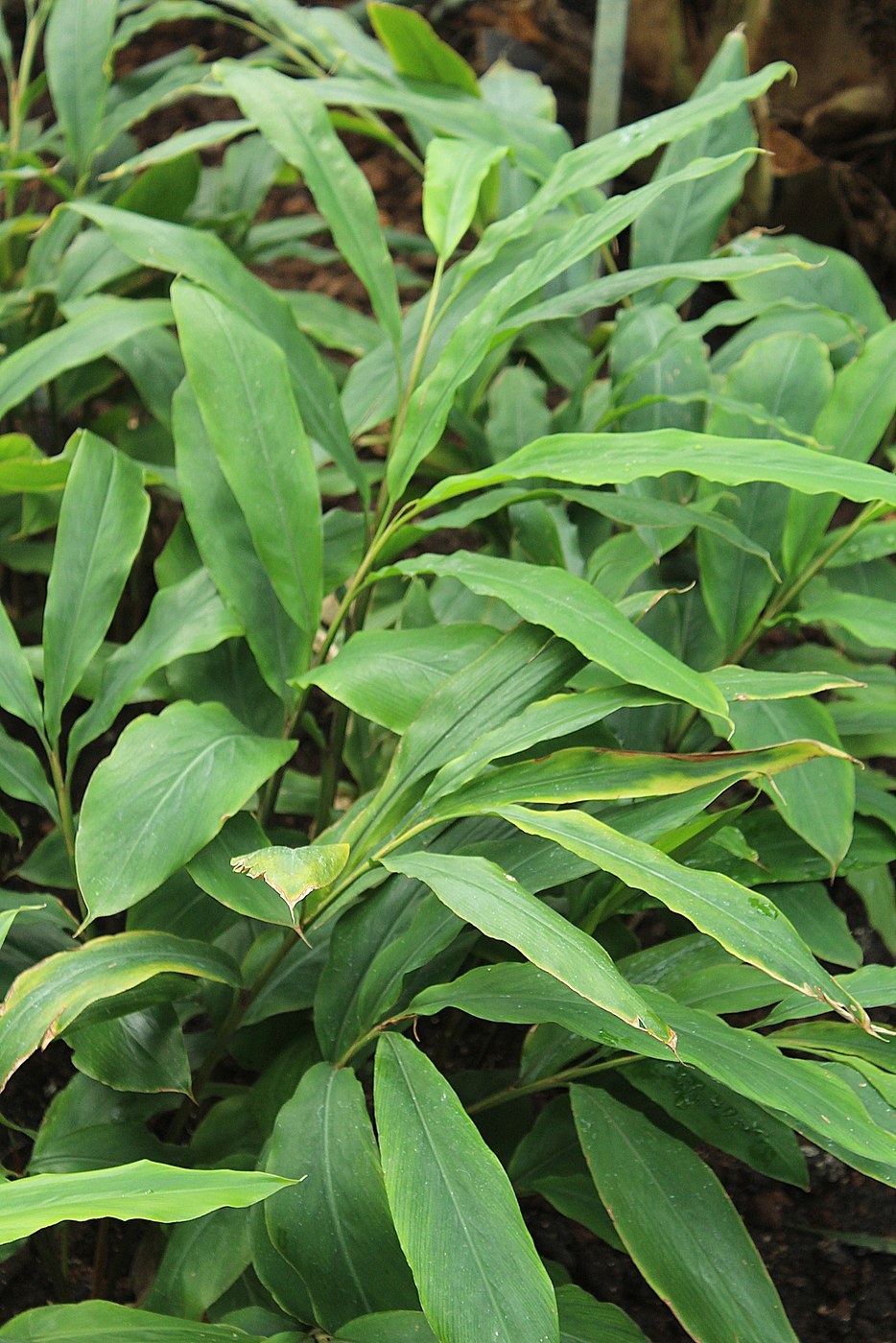
Ginger (Zingiber officinale) is a tropical rhizome-forming perennial grown for its tall, reedy stems of glossy strap-shaped leaves and, in warm climates, its exotic pale flower spikes. It is a rewarding container subject that rewards warmth, steady moisture and patience with a jungle-like clump of arching foliage.
Light
Give ginger bright indirect light to partial shade. A spot near an east or lightly shaded south window is ideal indoors; outdoors, dappled shade or morning sun with afternoon protection keeps the foliage from scorching. Too little light produces weak, floppy stems, while harsh midday sun bleaches and crisps the leaf edges.
Water
Keep the soil consistently moist during the active growing season, never letting the rootball dry out completely, but avoid leaving the pot standing in water. Ginger is a thirsty grower in warm weather and appreciates frequent watering when the surface begins to dry. As foliage naturally dies back in the cool months, reduce watering sharply and keep the rhizome only barely moist until new shoots appear.
Soil & Potting
Use a rich, loose, free-draining mix - a quality potting soil bulked up with compost and a handful of perlite or coarse sand works well. Ginger rhizomes grow horizontally and spread near the surface, so choose a wide, shallow container rather than a deep one. Plant rhizome pieces about 2-4 cm deep with any visible growth buds facing upward, and ensure the pot has generous drainage holes.
Humidity & Temperature
As a tropical plant, ginger loves warmth and humidity. Aim for temperatures of 20-30C and keep it well away from cold drafts; growth stalls below about 15C and the plant resents frost entirely. Boost humidity indoors by grouping plants, standing the pot on a pebble-and-water tray, or misting the foliage in dry rooms.
Feeding
During the growing season feed every 2-4 weeks with a balanced liquid fertilizer, or work slow-release granules into the soil at planting. Ginger is a heavy feeder when in full leaf and responds to rich conditions with fuller, taller stems. Stop feeding as the plant enters its dormant period.
Propagation
Propagation is simple by division of the rhizome. Lift a healthy clump, cut the rhizome into sections each bearing at least one plump growth bud (eye), and let the cut surfaces dry for a day or two before potting. Start pieces in warm, lightly moist soil and be patient - new shoots can take several weeks to emerge.
Repotting / Pruning
Repot each spring as new growth begins, moving to a slightly larger wide container and refreshing the soil to accommodate the spreading rhizome. Little pruning is needed beyond removing yellowed or spent stems at the base to keep the clump tidy and encourage fresh growth.
Common Problems & Pests
Root and rhizome rot is the main risk, almost always from soggy, poorly drained soil - improve drainage and ease off watering if you see soft, blackened tissue. Yellowing leaves in the growing season usually signal overwatering, while brown crispy edges point to dry air or sunburn. Watch for spider mites in dry indoor conditions and mealybugs sheltering among the leaf bases; rinse foliage and treat with insecticidal soap as needed.
Seasonal Care Tips
Ginger has a clear cycle: it flushes vigorous growth in the warm months and naturally dies back to dormant rhizome in autumn and winter. Ramp up water and feeding through spring and summer, then let the plant rest cool and nearly dry once the foliage yellows. In cold climates keep container plants indoors or in a frost-free spot over winter, and restart the cycle with fresh warmth and moisture in spring.
Frequently asked questions
Why are my ginger leaves turning yellow?
In the growing season yellowing usually means the soil is staying too wet - check drainage and let the surface dry between waterings. In autumn, gradual yellowing is simply the plant entering its natural dormancy.
How long does ginger take to grow?
Ginger is a slow starter. Sprouting from a rhizome piece can take several weeks, and it needs a full warm growing season to build a lush clump of foliage.
Can I grow ginger indoors?
Yes. A warm, humid room with bright indirect light and a wide, well-drained pot suits it well, making it a good year-round houseplant in cooler climates.
Does ginger need a deep or wide pot?
Wide and shallow. The rhizome spreads horizontally near the surface, so a broad container gives it more room than a deep, narrow one.
Ginger identified by the community
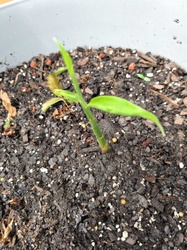
Recent Ginger specimens identified with Plant Identifier.