Ginger
Zingiber officinale
Ginger is a tropical perennial herb grown for its knobbly, aromatic underground rhizome, cultivated across the warm regions of the world.
- Light
- Bright indirect light to partial shade
- Water
- Keep soil consistently moist
- Difficulty
- Moderate
Got a plant like this?
Identify any plant from a photo, free.
Overview
Ginger is a tropical herbaceous perennial cultivated for its knobbly underground rhizome. It belongs to the Zingiberaceae family, alongside turmeric and cardamom.
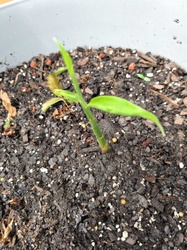
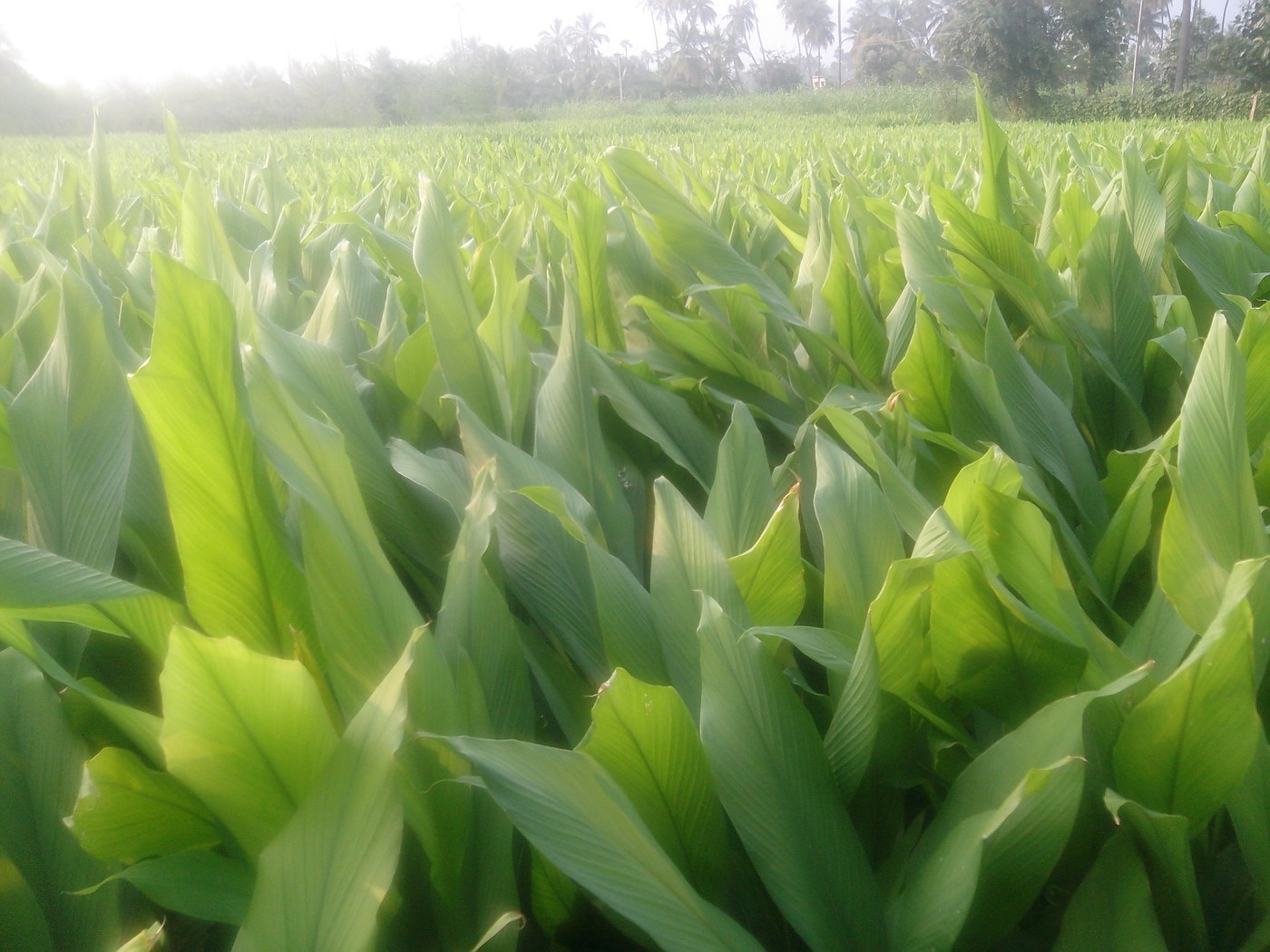
Above ground, ginger produces reed-like leafy shoots, while the spreading rhizome develops below. The plant rarely flowers in cultivation.
Grown across the tropics, ginger is also a satisfying container plant for warm climates and greenhouses.
How to identify it
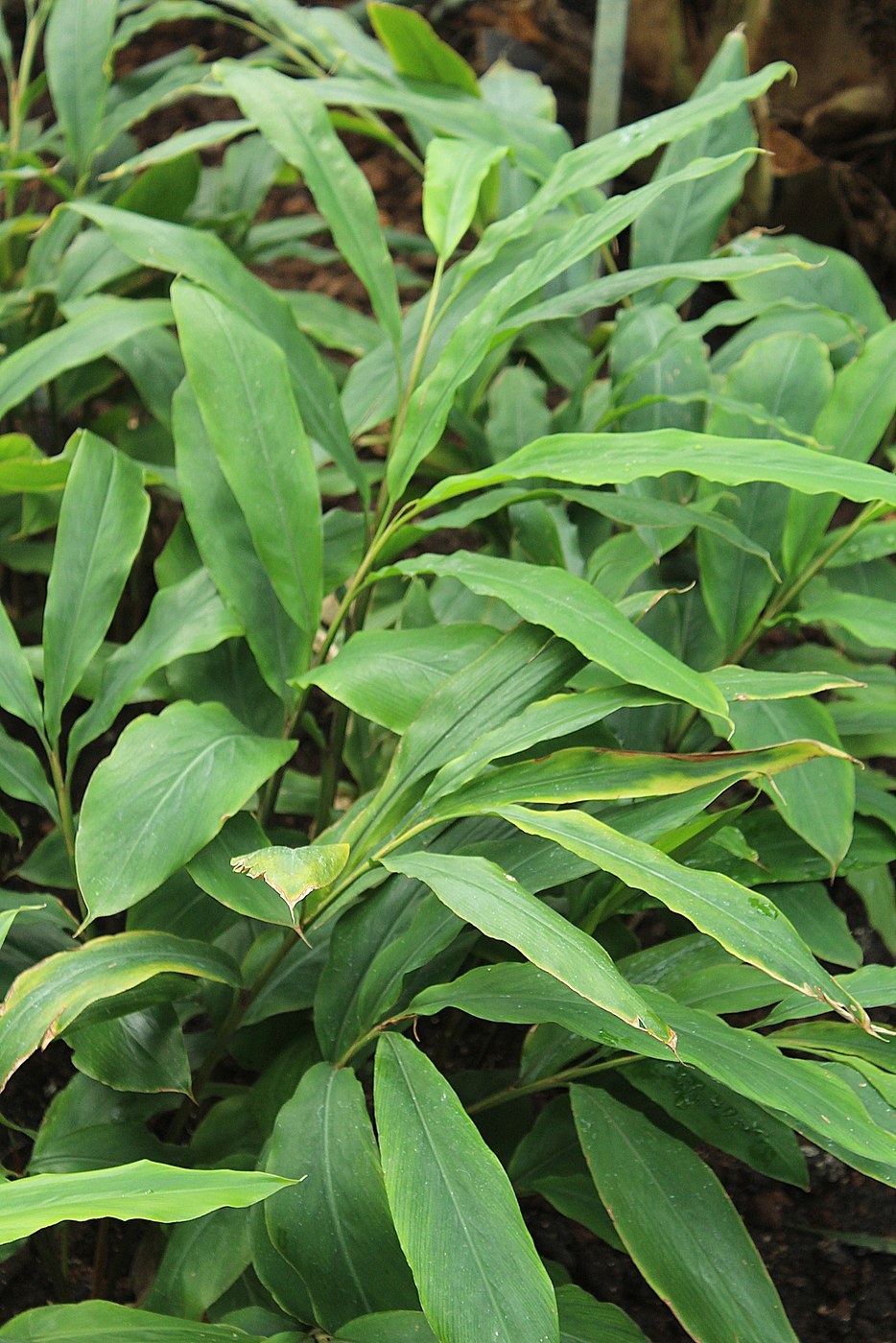
Ginger is identified by its grass-like shoots and its distinctive aromatic rhizome.
- Leaves: Narrow, lance-shaped, glossy green, arranged in two ranks on upright pseudostems
- Pseudostems: Reed-like, formed by sheathing leaf bases, reaching 60-120 cm (2-4 ft)
- Rhizome: Pale tan, branching and finger-like ("hands"), with pale yellow flesh
- Flowers: Rare in cultivation; greenish-yellow with purple markings in a dense cone-like spike
- Aroma: Cut or bruised rhizome releases a distinctive warm, aromatic scent
Care & growing
Ginger needs warmth, humidity and a long growing season.
- Light: Bright indirect light or dappled shade; avoid harsh midday sun
- Water: Keep soil consistently moist during growth; reduce as foliage dies back in dormancy
- Soil: Rich, loose, well-drained soil high in organic matter
- Temperature: Tropical; prefers 20-30C (68-86F) and is damaged by frost
- Feeding: Feed with a balanced or potassium-rich fertilizer during active growth
- Propagation: Plant a piece of rhizome with at least one visible bud (eye), about 5 cm deep, in warm soil. The rhizome matures after 8-10 months, signaled by yellowing leaves.
Habitat & origin
Ginger is believed to have originated in tropical Southeast Asia, possibly the Indian subcontinent, and has been cultivated so long that no truly wild population is known. It spread along ancient trade routes thousands of years ago.
Today it is grown throughout the tropics, with India and China among the leading producers. In cooler regions it is grown in greenhouses, conservatories or as a summer container plant brought indoors before frost.
Frequently asked questions
Can I grow ginger from a piece bought at the store?
Yes. Choose a plump rhizome with visible growth buds (eyes). Organic ginger works best since some commercial ginger is treated to inhibit sprouting.
How long does ginger take to mature?
It typically needs 8-10 months of warm growing conditions before the rhizome is fully developed.
Does ginger need full sun?
No. Ginger prefers bright indirect light or dappled shade, mimicking its tropical understory habitat. Strong direct sun can scorch the leaves.
Why are my ginger leaves turning yellow?
Yellowing late in the season is normal as the plant enters dormancy. Out of season, it may indicate overwatering, cold stress or nutrient deficiency.
Ginger guides
In-depth guides for identifying, growing, and caring for Ginger.
How to Care for Ginger
Grow lush ginger foliage indoors or out with warmth, humidity, rich moist soil and bright indirect light.
Ginger Identification Guide
Recognize ginger by its knobbly aromatic rhizome, reed-like leafy stems, and lance-shaped two-ranked leaves. Includes how to distinguish it from turmeric, galangal, and ornamental gingers.
Ginger identified by the community
Real specimens identified with Plant Identifier.