Gotu Kola Identification Guide
How to identify gotu kola (Centella asiatica) by its small kidney-shaped scalloped leaves, creeping stolons, and tiny pinkish flowers near the ground.
Read the full Gotu Kola encyclopedia entry →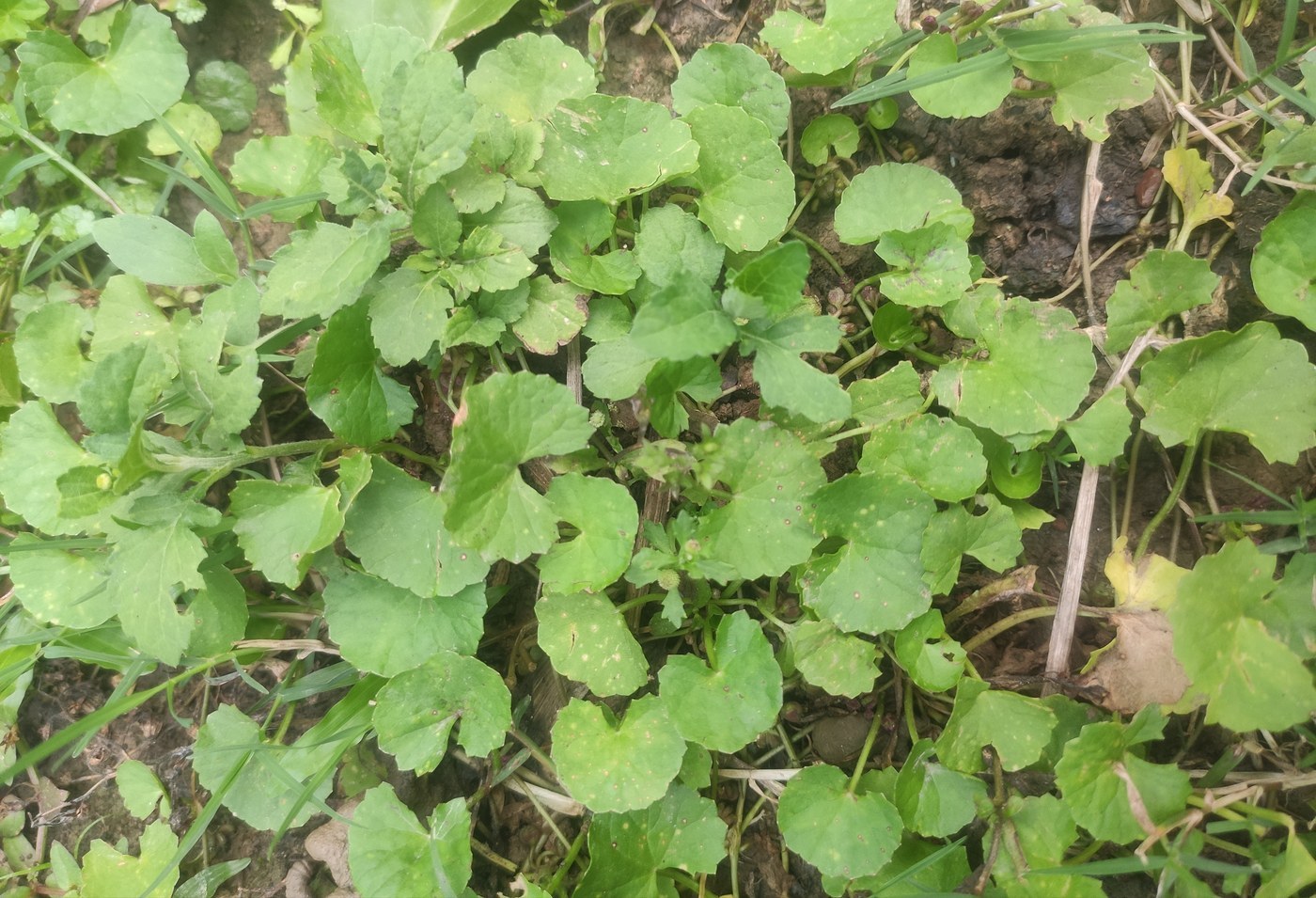
Key Identifying Features
Gotu kola (Centella asiatica), also called Indian pennywort, is a low, creeping perennial of warm, damp ground. Identify it by:
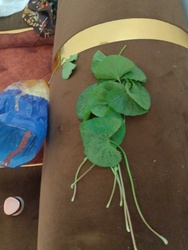
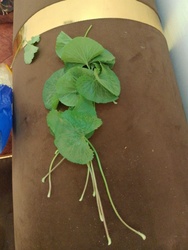
- Small, kidney- to fan-shaped leaves with rounded, scalloped (crenate) edges.
- A creeping, mat-forming habit with rooting runners (stolons).
- Leaves held on long, slender petioles rising directly from the stolon nodes.
- Tiny, almost hidden flowers near the soil surface.
Leaves & Stems
Each leaf blade is 1–5 cm wide, rounded to reniform (kidney-shaped), with a notched base where the petiole attaches and shallow, rounded teeth along the margin. The surface is smooth, green, with palmate veins radiating from the petiole junction. The petioles are long (a few cm to ~15 cm) and erect, lifting the leaves above the creeping stems. The plant spreads by thin, reddish-green stolons that root at the nodes, forming dense low mats. There is no upright leafy stem — leaves and flower stalks all rise from runner nodes.
Flowers & Fruit
Flowers are tiny and easily missed. Small umbels of 2–5 minute flowers, pinkish to reddish or white, sit on very short stalks close to the ground, often partly hidden beneath the foliage. They appear through the warm season. The fruit is a small, rounded, ribbed schizocarp about 3 mm, flattened and netted in texture.
How to Tell It Apart from Look-Alikes
- Dollarweed / pennywort (Hydrocotyle): very similar creeping habit, but Hydrocotyle leaves are round with the petiole attached at the center (peltate), like a tiny umbrella, whereas Centella's petiole attaches at a notch on the edge of the kidney-shaped leaf — the key separator.
- Ground ivy (Glechoma): has square stems, opposite leaves, and a minty smell.
- Violets: heart-shaped leaves but with showy flowers and no creeping stolons.
- Check the petiole attachment point: edge-notch = gotu kola; center = dollarweed.
Where You'll Find It
Gotu kola favors moist, shady, low ground: marsh edges, ditches, rice paddies, lawn margins, riverbanks, and damp tropical to subtropical soils. Native across Asia, Australia, and parts of Africa, it is naturalized in warm regions worldwide and often grows as a lawn or wetland weed.
Quick ID Checklist
- Small kidney- to fan-shaped leaves with scalloped edges
- Petiole attaches at a notch on the leaf edge (not the center)
- Long erect petioles rising from creeping stolons
- Mat-forming runners rooting at nodes
- Tiny pinkish flowers in small umbels near the soil
Kidney leaf with an edge-notched petiole on creeping runners confirms gotu kola.
Frequently asked questions
How is gotu kola different from dollarweed?
Dollarweed (Hydrocotyle) has round leaves with the stalk attached at the center like an umbrella, while gotu kola's leaf is kidney-shaped with the stalk attached at a notch on the edge. That attachment point is the most reliable difference.
What do gotu kola flowers look like?
They're tiny pinkish-to-white flowers in small umbels of two to five, sitting on very short stalks close to the ground, often hidden under the leaves.
Where does gotu kola typically grow?
In moist, shady, low ground such as marsh edges, ditches, paddy fields, and damp lawns across warm tropical and subtropical regions.
Does gotu kola have an upright stem?
No. It creeps along the ground via stolons that root at the nodes, and both leaves and flower stalks rise directly from those nodes on long petioles.
Gotu Kola identified by the community
Recent Gotu Kola specimens identified with Plant Identifier.