How to Care for Grape Ivy
Grow Grape Ivy (Cissus rhombifolia), an easy trailing or climbing houseplant with glossy toothed leaflets and tidy tendrils.
Read the full Grape Ivy encyclopedia entry →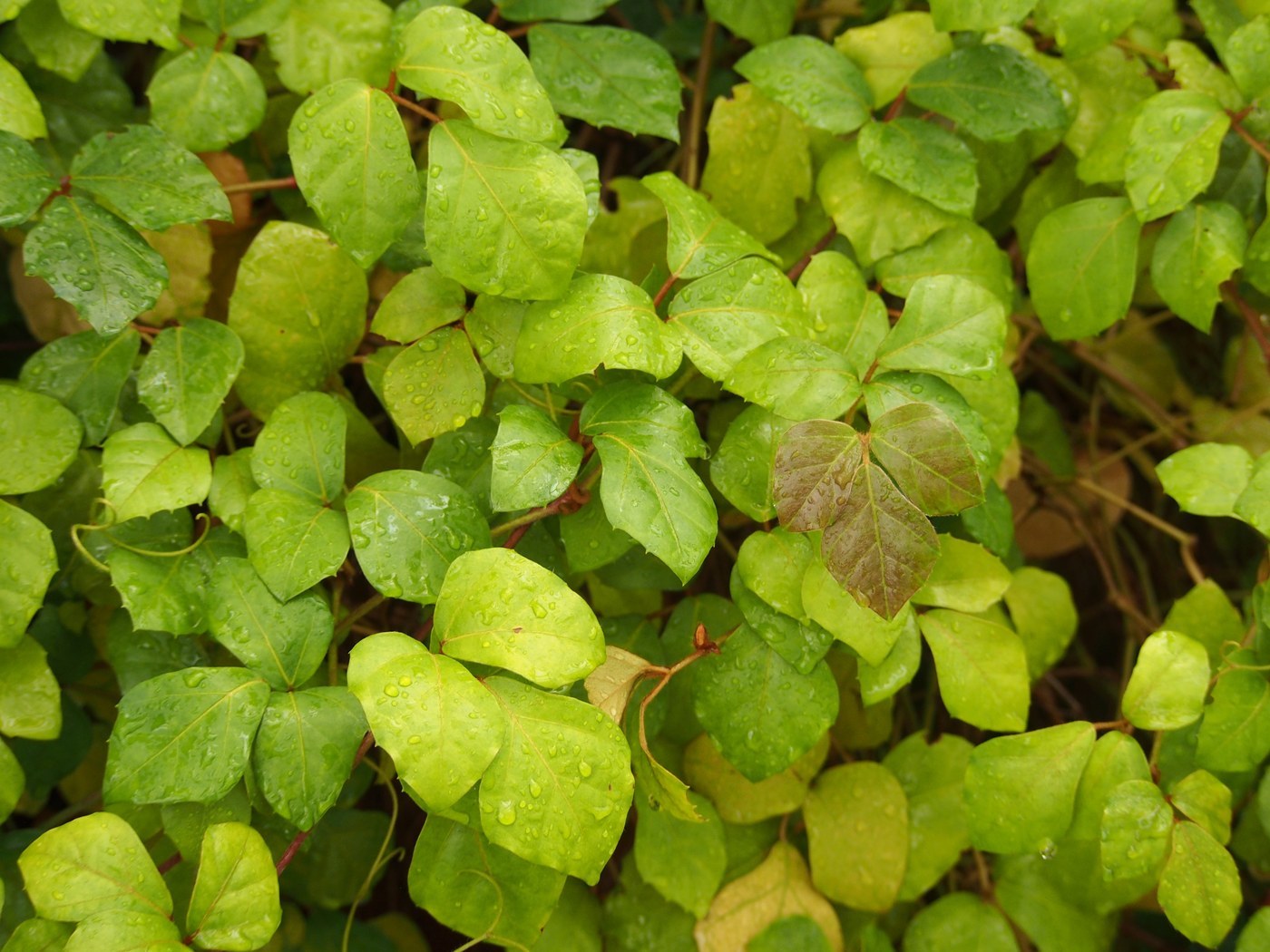
Grape Ivy (Cissus rhombifolia) is an easygoing trailing and climbing houseplant with glossy, toothed, diamond-shaped leaflets and curling tendrils reminiscent of a true grapevine. Adaptable and forgiving, it drapes gracefully from hanging baskets or climbs a support, tolerating the moderate light of many home and office settings.
Light
Provide medium to bright indirect light. Grape Ivy grows most vigorously in bright, filtered light but adapts well to medium light, making it a dependable choice for interiors. Keep it out of harsh direct sun, which can scorch and pale the foliage. If growth becomes sparse and stems leggy, move it somewhere brighter.
Water
Let the top layer of soil dry between waterings, then water thoroughly until it drains freely. Grape Ivy likes consistent but not soggy conditions; err slightly on the drier side rather than keeping it wet. Reduce watering in winter when growth slows. Both chronic overwatering and complete drying-out stress the plant, so aim for evenly moist-to-slightly-dry soil.
Soil & Potting
Use a well-draining, peat- or coir-based potting mix with added perlite for aeration. Good drainage is important, so choose a pot with drainage holes. A hanging basket suits its cascading habit, while a small trellis or moss pole lets the tendrils climb. The plant tolerates being a little root-bound.
Humidity & Temperature
Grape Ivy prefers moderate to higher humidity and comfortable, stable room temperatures. It dislikes cold drafts, sudden temperature swings, and hot dry air near heating vents. Average household humidity is usually fine, but occasional misting or a nearby humidity tray helps in very dry rooms and reduces leaf-edge browning.
Feeding
Feed with a balanced, diluted liquid fertilizer roughly monthly during spring and summer while the plant is actively growing. Stop feeding in autumn and winter. Avoid over-fertilizing, which can cause leaf-tip burn; flushing the pot occasionally with plain water helps clear built-up salts.
Propagation
Grape Ivy propagates readily from stem cuttings. Take a cutting with a few leaf nodes, place it in water or directly in moist potting mix, and keep it warm and humid. Roots typically form within a few weeks, after which water-rooted cuttings can be potted up. Spring and summer are the best times to propagate.
Repotting / Pruning
Repot every couple of years, or when roots fill the container, moving up one pot size in spring. Prune to control length and encourage bushiness; pinching stem tips promotes fuller, branching growth. Remove any yellowed or damaged leaves as they appear to keep the plant looking tidy.
Common Problems & Pests
Browning leaf edges usually indicate low humidity or dry air, while yellowing leaves and mushy stems point to overwatering. Leaf drop can follow cold drafts or drastic changes. Watch for common houseplant pests such as spider mites (especially in dry air), mealybugs, and scale; wipe foliage and treat with insecticidal soap as needed. Good airflow and correct watering prevent most trouble.
Seasonal Care Tips
In spring and summer, resume regular feeding, propagate cuttings, and repot if needed as growth accelerates. In autumn, reduce feeding and watering as the plant slows. In winter, keep it away from cold windows and heating vents, water more sparingly, and boost humidity if indoor heating dries the air.
Frequently asked questions
Why are the edges of my Grape Ivy leaves turning brown?
Brown, crispy leaf edges usually signal low humidity or dry air, often from nearby heating. Raise humidity with a tray of water or occasional misting and keep the plant away from heat vents.
Can Grape Ivy climb or does it only trail?
It does both. Its tendrils let it climb a trellis or moss pole, and it also cascades attractively from a hanging basket. Choose whichever suits your space.
How do I make my Grape Ivy fuller?
Pinch back the stem tips regularly to encourage branching, and keep it in bright indirect light. Sparse, leggy growth is often a sign it needs more light.
How do I propagate Grape Ivy?
Take stem cuttings with a few nodes and root them in water or moist potting mix in spring or summer. Roots usually form within a few weeks.
Grape Ivy identified by the community
Recent Grape Ivy specimens identified with Plant Identifier.