Grape Ivy
Cissus rhombifolia
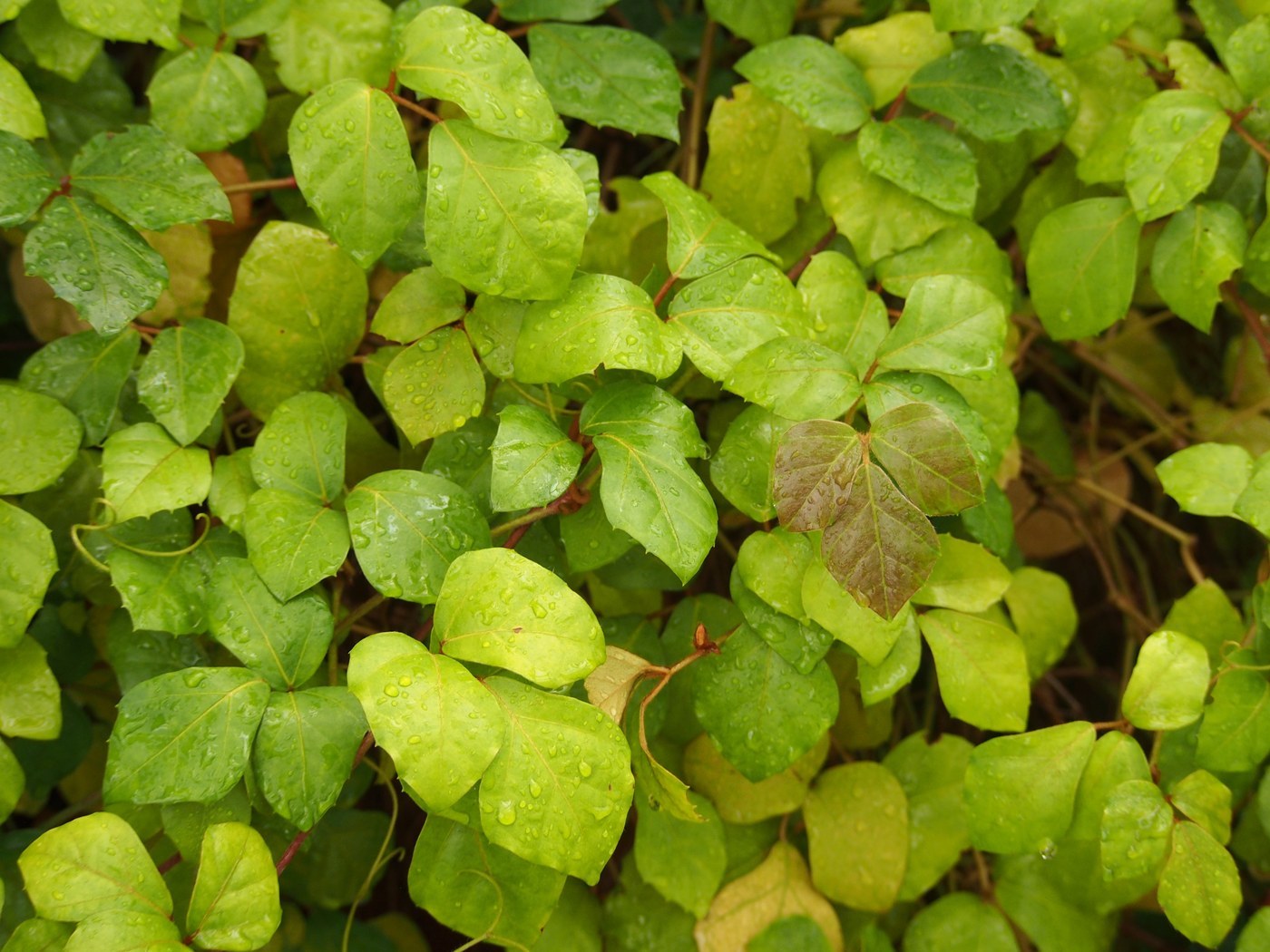
Grape Ivy is a vigorous climbing or trailing vine with glossy, toothed leaves resembling grapevine foliage. Tolerant of lower light and easy to grow, it's a classic for hanging baskets and trellises.
- Light
- Medium to bright indirect light
- Water
- Let topsoil dry between waterings
- Difficulty
- Easy
Got a plant like this?
Identify any plant from a photo, free.
Overview
Grape Ivy, Cissus rhombifolia, is a member of the grape family (Vitaceae), not a true ivy. It climbs and trails using curling tendrils, producing glossy compound leaves with three diamond-shaped, toothed leaflets that recall grapevine foliage.
It is a longtime favorite houseplant thanks to its vigorous growth, tolerance of medium light, and adaptability. It can be trained up a trellis or allowed to cascade from a hanging basket.
How to identify it
Identify Grape Ivy by:
- Leaves: compound, each with three rhombic (diamond-shaped) glossy green leaflets with toothed margins
- New growth: covered in fine silvery or brownish hairs
- Tendrils: forked, curling tendrils used for climbing
- Habit: trailing or climbing vine, fast-growing
- Stems: slender, flexible, becoming somewhat woody with age
Care & growing
Light: Medium to bright indirect light; tolerates lower light better than many vines. Avoid direct sun.
Water: Let the top inch of soil dry between waterings; avoid soggy soil.
Soil: Well-draining potting mix.
Temperature: Prefers moderate temperatures around 60-78°F (15-26°C); dislikes heat extremes.
Humidity: Appreciates moderate humidity.
Feeding: Balanced fertilizer monthly during the growing season.
Propagation: Root stem cuttings in water or soil.
Habitat & origin
Native to the tropical and subtropical Americas, including parts of South America and the Caribbean, where it grows as a climbing vine in warm forested areas.
It is grown worldwide as an indoor and conservatory plant, prized for trailing or climbing displays and tolerance of indoor conditions.
Frequently asked questions
Is Grape Ivy a true ivy?
No. Despite the name, it belongs to the grape family (Vitaceae). Its leaves resemble grapevine foliage rather than true ivy.
Why are leaves dropping or developing brown spots?
This is often caused by overwatering, poor drainage, or excessive heat. Let the soil dry between waterings and keep it in moderate temperatures.
Can I train it to climb?
Yes. Its tendrils readily grip a trellis or support, or you can let it cascade from a hanging basket.
Grape Ivy guides
In-depth guides for identifying, growing, and caring for Grape Ivy.
How to Care for Grape Ivy
Grow Grape Ivy (Cissus rhombifolia), an easy trailing or climbing houseplant with glossy toothed leaflets and tidy tendrils.
Grape Ivy Identification Guide
How to identify Grape Ivy (Cissus rhombifolia / alata), a grape-family vine with glossy three-part leaves and curling tendrils, not a true ivy.
Grape Ivy identified by the community
Real specimens identified with Plant Identifier.