How to Care for Hawthorn Tree
Grow tough, hardy Crataegus monogyna with full sun, moderate water, and light winter pruning; it becomes drought-tolerant once established.
Read the full Hawthorn Tree encyclopedia entry →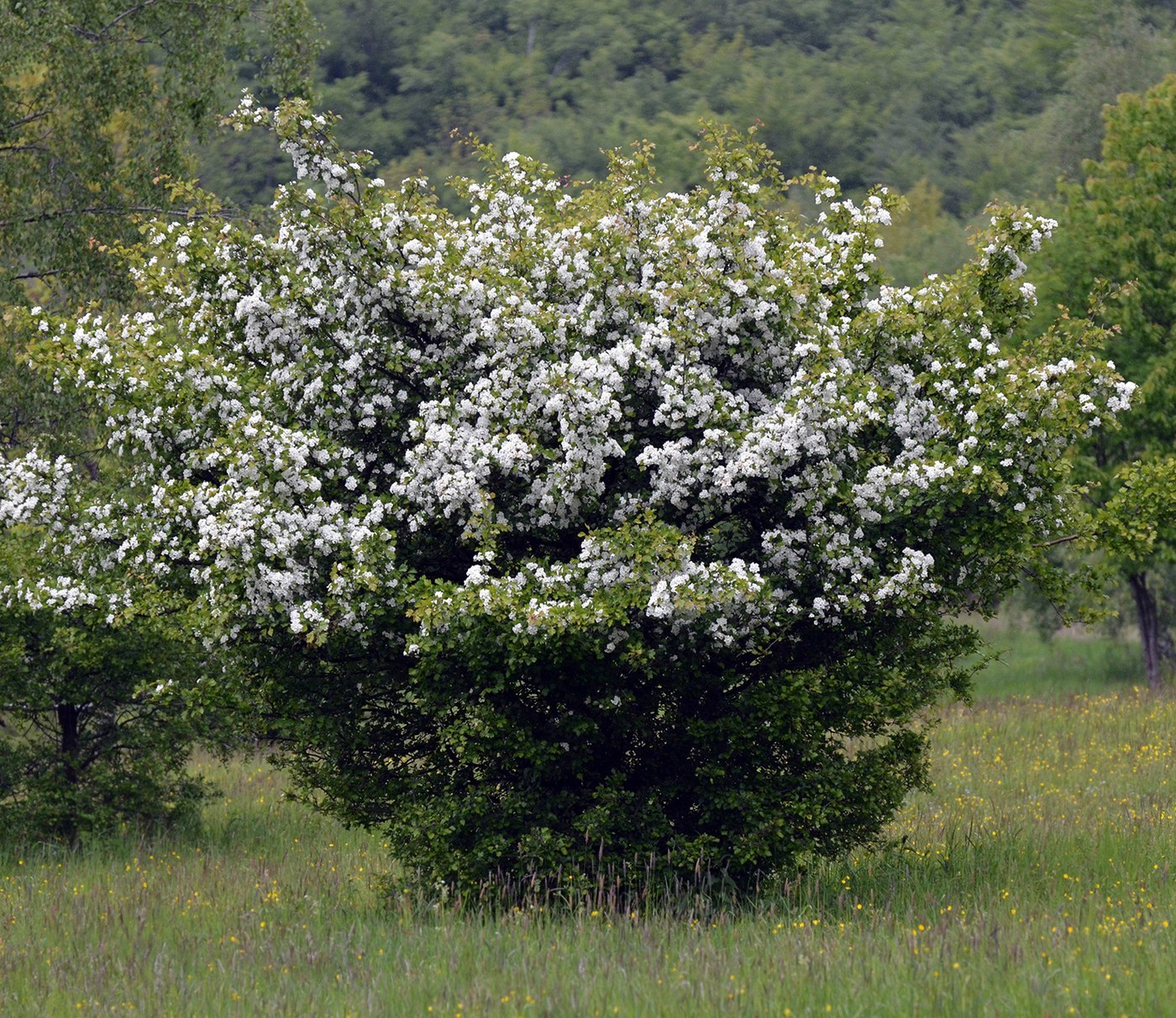
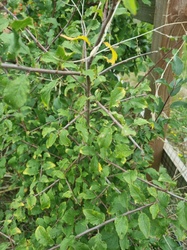
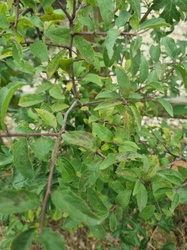
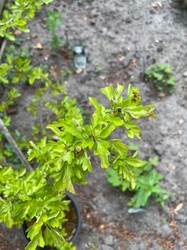
The hawthorn (Crataegus monogyna) is a hardy, thorny small tree or large shrub grown for its dense, twiggy structure, deeply lobed leaves, clouds of white spring blossom, and clusters of small red autumn fruit. It is exceptionally tough and adaptable, long used for hedging and specimen planting, and asks very little once established.
Light
Hawthorn grows best in full sun to part shade. Full sun produces the most abundant flowering and fruiting and the densest habit, while it still performs well with a few hours of shade. It is an excellent choice for open, exposed sites, tolerating wind and coastal conditions.
Water
Water young trees regularly through their first couple of growing seasons to establish a deep root system. Once established, hawthorn is markedly drought-tolerant and needs supplemental water only during prolonged dry spells. It handles moderate moisture well but dislikes permanently waterlogged ground.
Soil & Potting
One of hawthorn's great strengths is its tolerance of almost any soil, including clay, chalk, and poor or stony ground. It prefers well-drained soil but adapts to a wide pH range. Plant bare-root trees in the dormant season or container-grown stock any time the ground is workable, setting them at the depth they grew previously.
Humidity & Temperature
Hawthorn is very cold-hardy and thrives across cool and temperate climates, weathering hard frosts, wind, and exposure without protection. It has no special humidity needs and is well suited to open landscapes.
Feeding
Hawthorn rarely needs feeding in reasonable soil. On poor ground, a spring mulch of compost or a light dose of balanced fertilizer supports growth and flowering. Avoid heavy nitrogen feeding, which encourages soft growth at the expense of flowers and fruit.
Propagation
Hawthorn is propagated from seed, though the seed has a hard coat and needs prolonged cold stratification, often over one or two winters, to germinate. It can also be grafted, and named forms are usually propagated this way. For hedging, young bare-root whips are planted densely in the dormant season.
Repotting / Pruning
Hawthorn tolerates hard pruning and responds well to shaping, which is why it makes such a good hedge. Prune in late winter while dormant to control size and structure, or trim hedges in summer after flowering. Remove dead, damaged, or crossing branches to keep an open, healthy framework. Wear thick gloves, as the branches carry sharp thorns.
Common Problems & Pests
Hawthorn is generally robust but can be affected by fireblight, which blackens shoots and blossoms; prune out affected wood well below the damage. Rusts, leaf spots, and powdery mildew may appear but are usually cosmetic. Aphids and caterpillars sometimes feed on the foliage without serious harm. Good airflow and clean pruning reduce most disease issues.
Seasonal Care Tips
Plant bare-root trees and hedges in the dormant winter season. Enjoy the froth of white blossom in late spring, and let summer growth fill out before trimming hedges. In autumn the tree colors and sets its red fruit. Prune structural branches in late winter while the tree is leafless and dormant.
Frequently asked questions
How much water does an established hawthorn need?
Very little. Once established after its first year or two, hawthorn is strongly drought-tolerant and needs supplemental watering only during extended dry spells.
When is the best time to prune a hawthorn?
Prune structural branches in late winter while the tree is dormant and leafless. Hedges can also be trimmed in summer after flowering has finished.
What soil does hawthorn need?
Almost any. It tolerates clay, chalk, and poor stony ground, preferring well-drained soil but adapting to a wide pH range, which makes it very easy to site.
Why is my hawthorn not flowering well?
The most common causes are too much shade or excessive nitrogen feeding. Give it full sun and avoid heavy fertilizing to encourage abundant blossom and fruit.
Hawthorn Tree identified by the community
Recent Hawthorn Tree specimens identified with Plant Identifier.