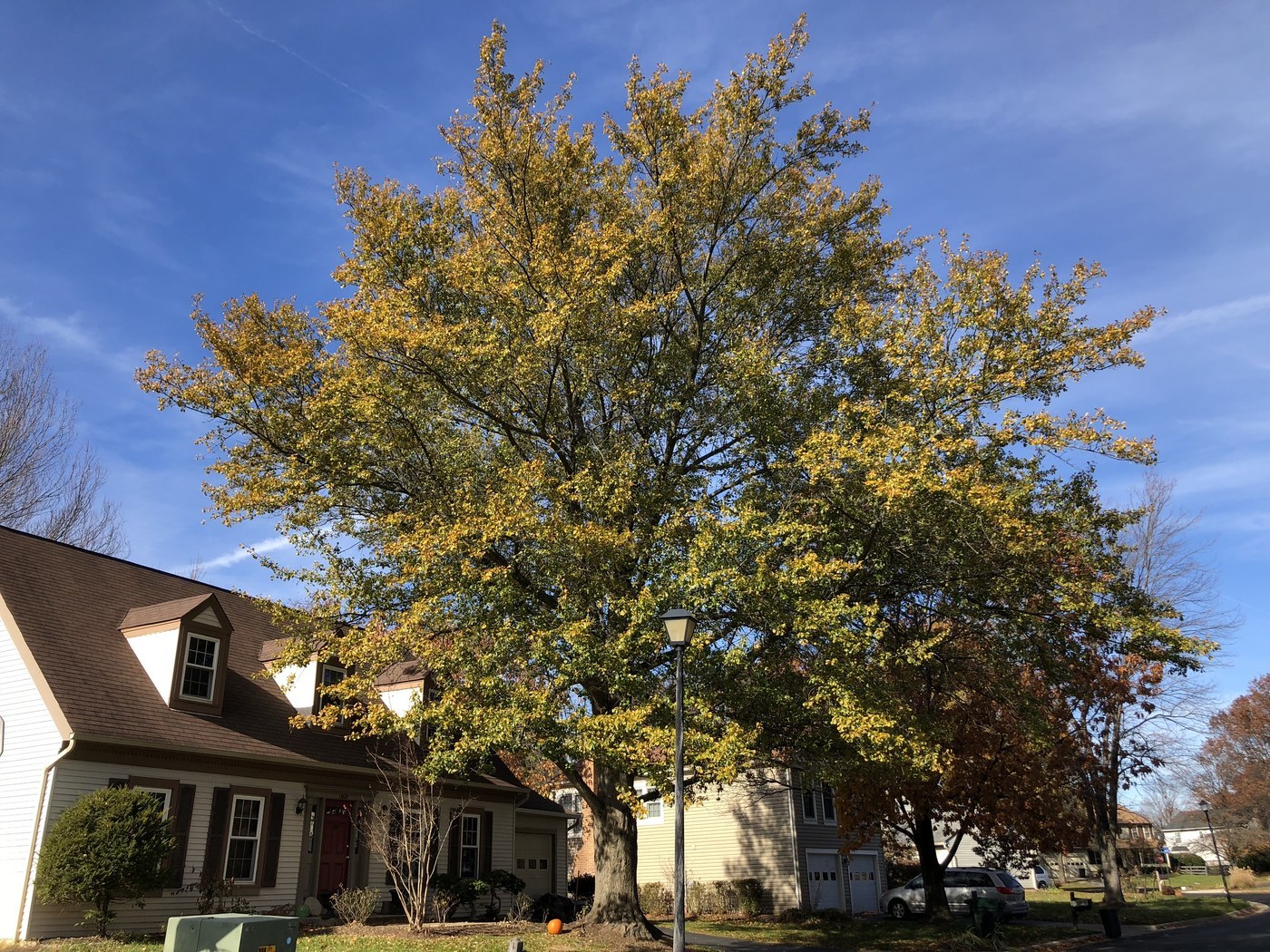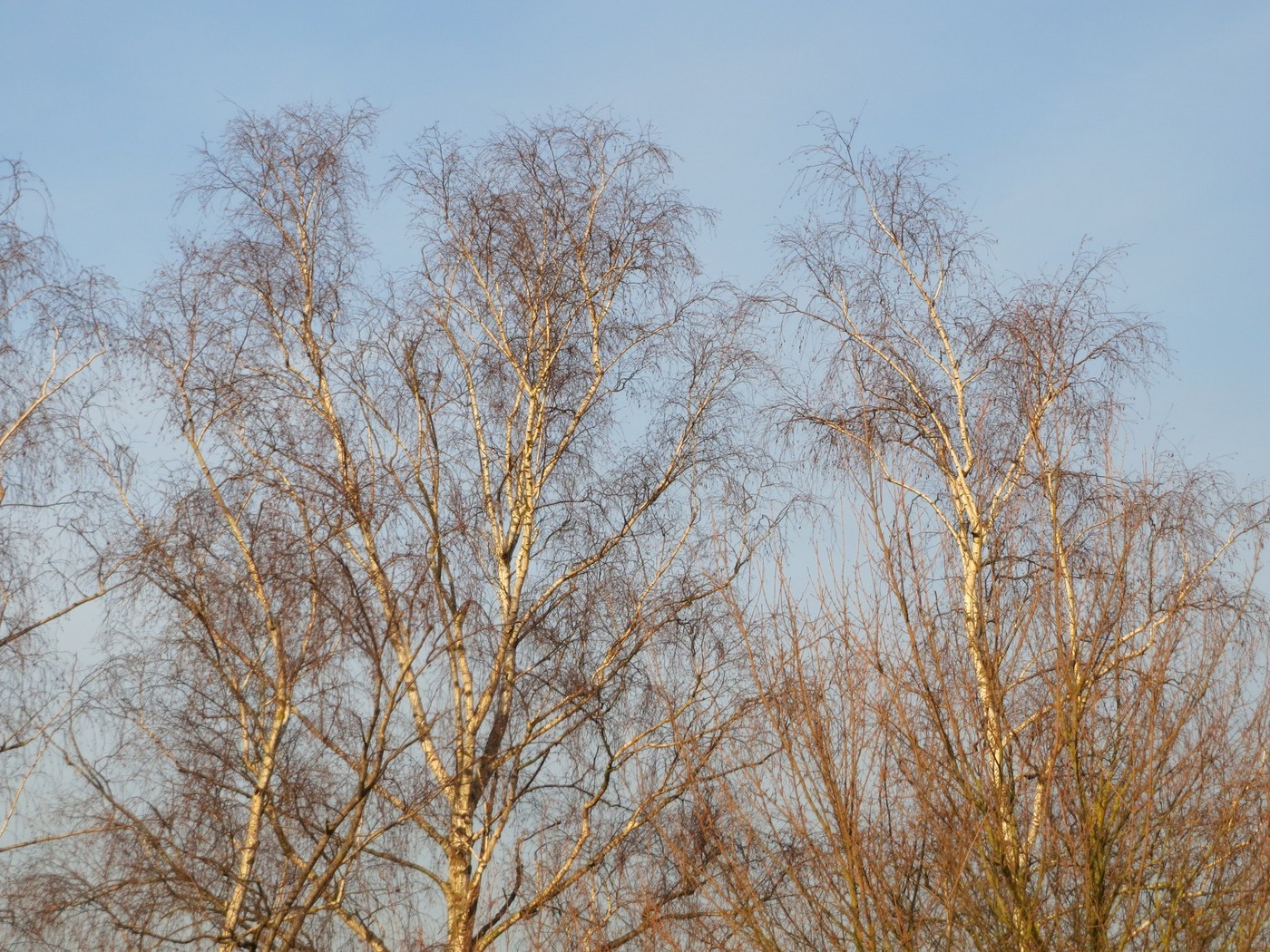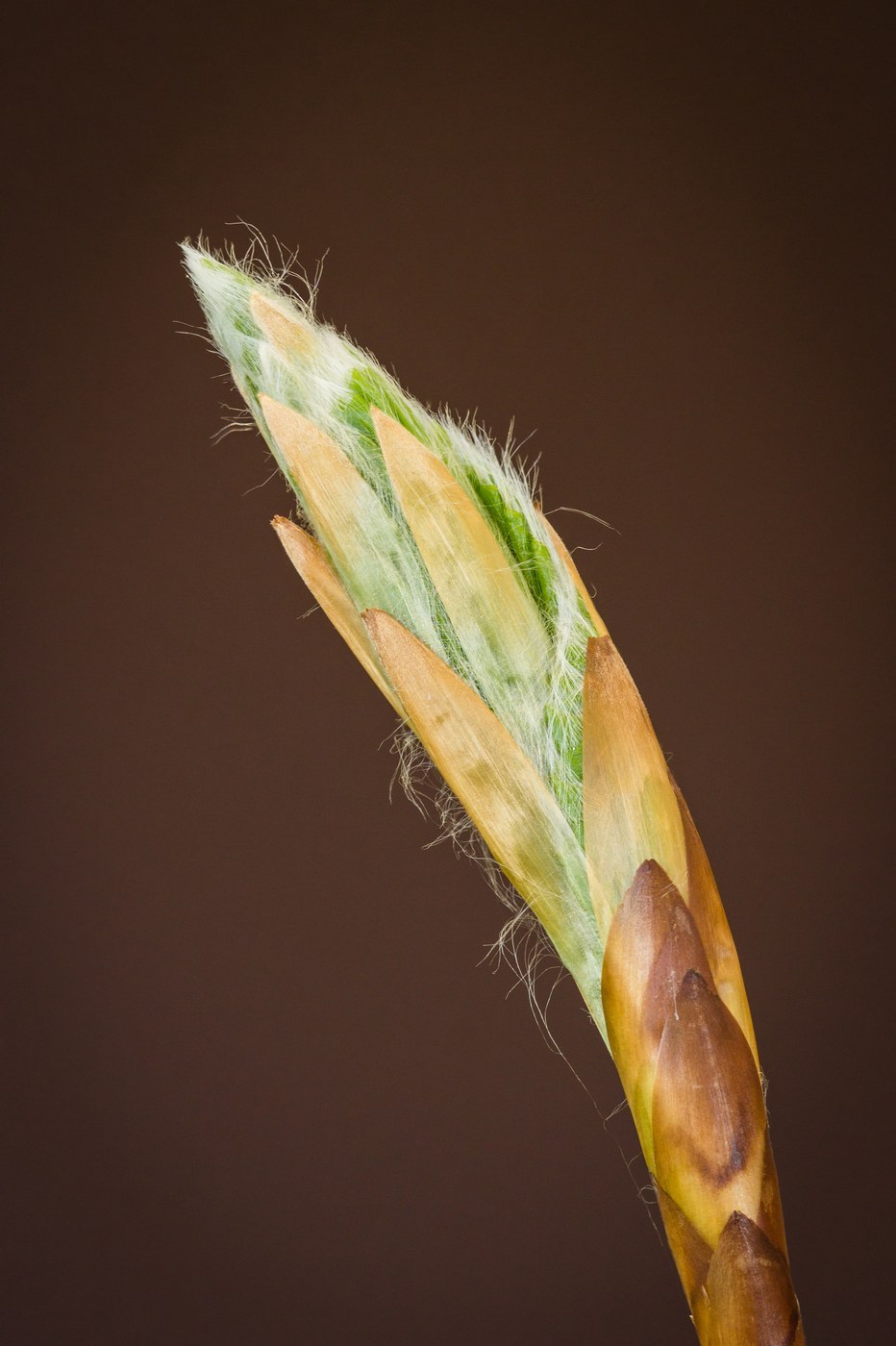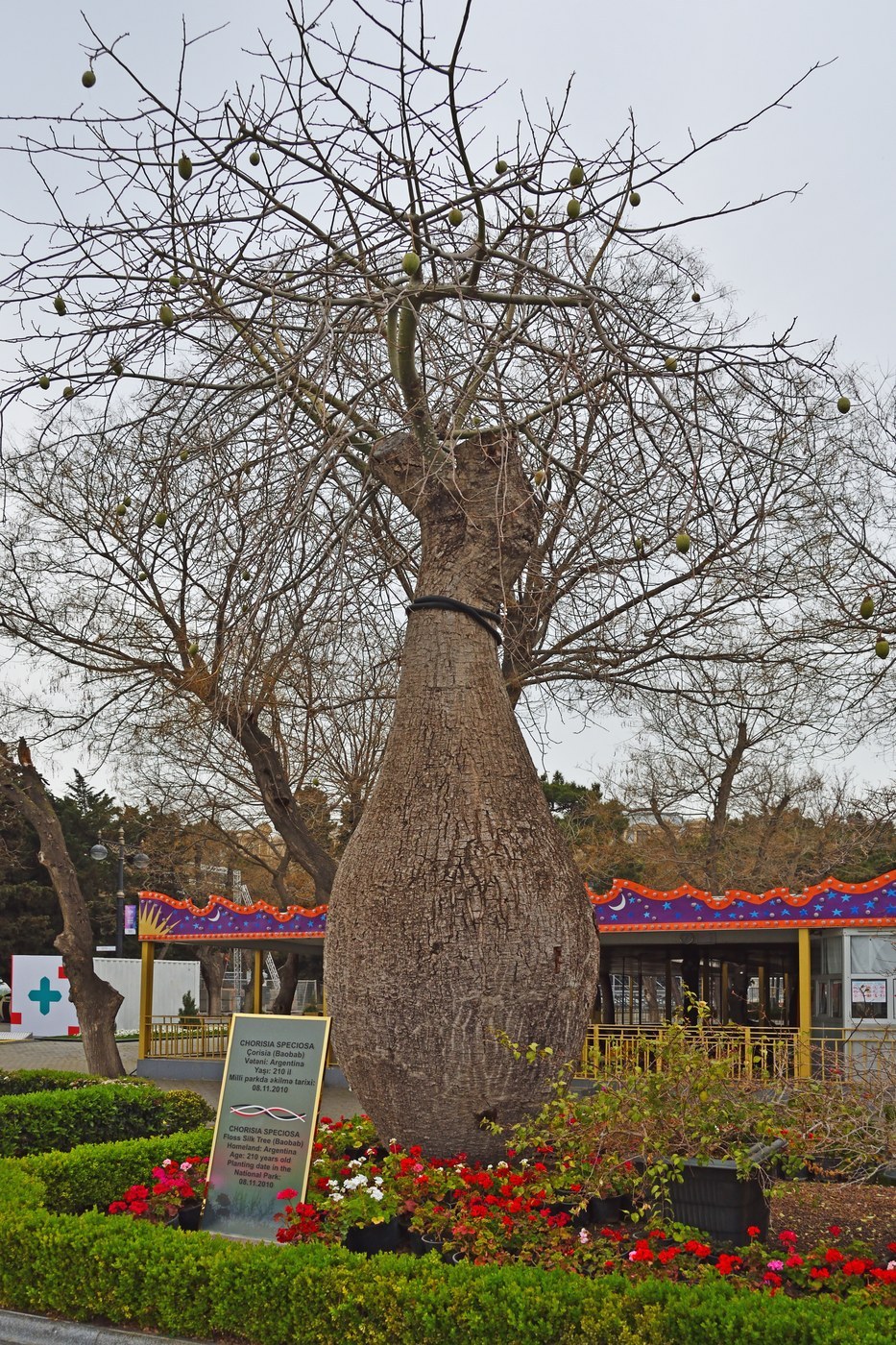
Hawthorn Tree
Crataegus monogyna
The hawthorn is a thorny deciduous tree or shrub bearing fragrant white spring blossoms and clusters of red autumn berries called haws. Long used for hedging, it is steeped in folklore and supports abundant wildlife.
- Light
- Full sun to part shade
- Water
- Moderate; drought-tolerant once established
- Difficulty
- Easy
Got a plant like this?
Identify any plant from a photo, free.
Overview
Crataegus monogyna, the common hawthorn or may tree, is a hardy deciduous tree or shrub native to Europe, northwest Africa, and western Asia, valued for hedging, wildlife, and seasonal beauty.
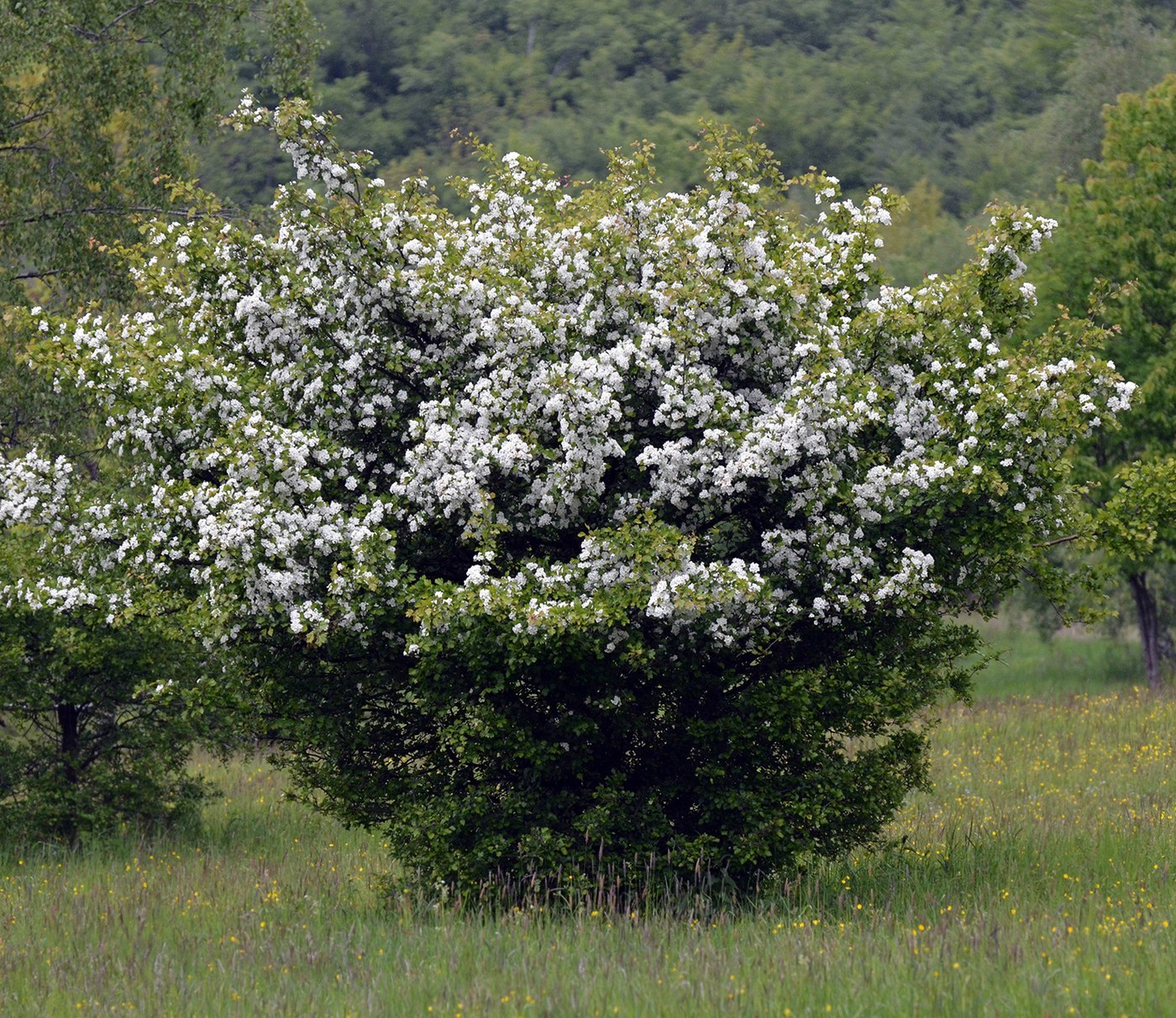
In late spring it is smothered in fragrant white (sometimes pink) flowers, traditionally marking the arrival of May. By autumn these give way to dense clusters of deep-red berries known as haws, which persist into winter.
Dense, thorny, and tolerant of hard pruning, hawthorn has been used for centuries as a stockproof hedge. It is rich in folklore, associated with fairies and May Day, and is one of the most wildlife-friendly trees in the temperate landscape.
How to identify it
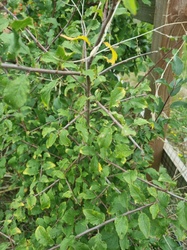
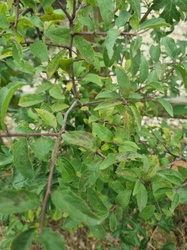
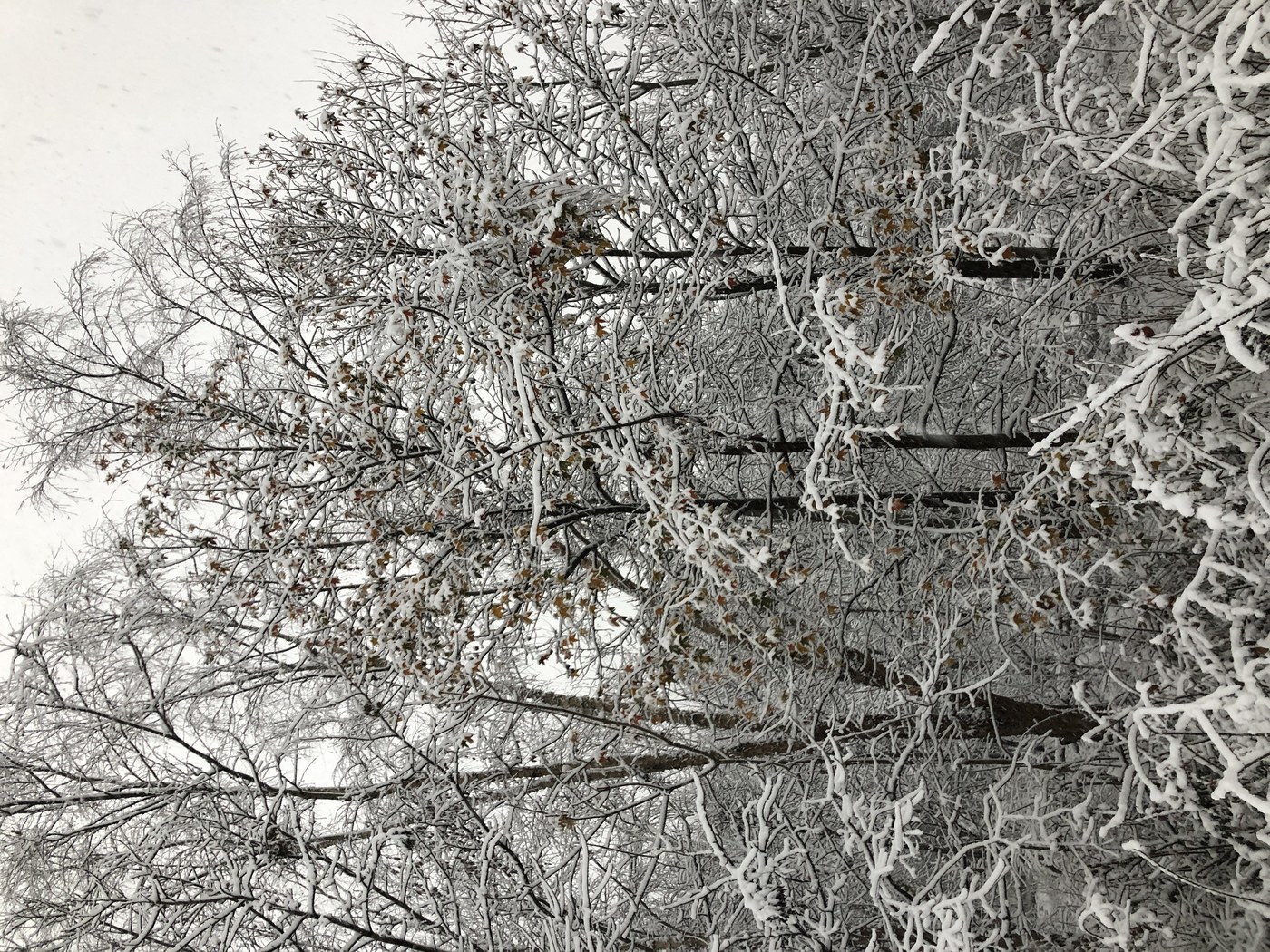
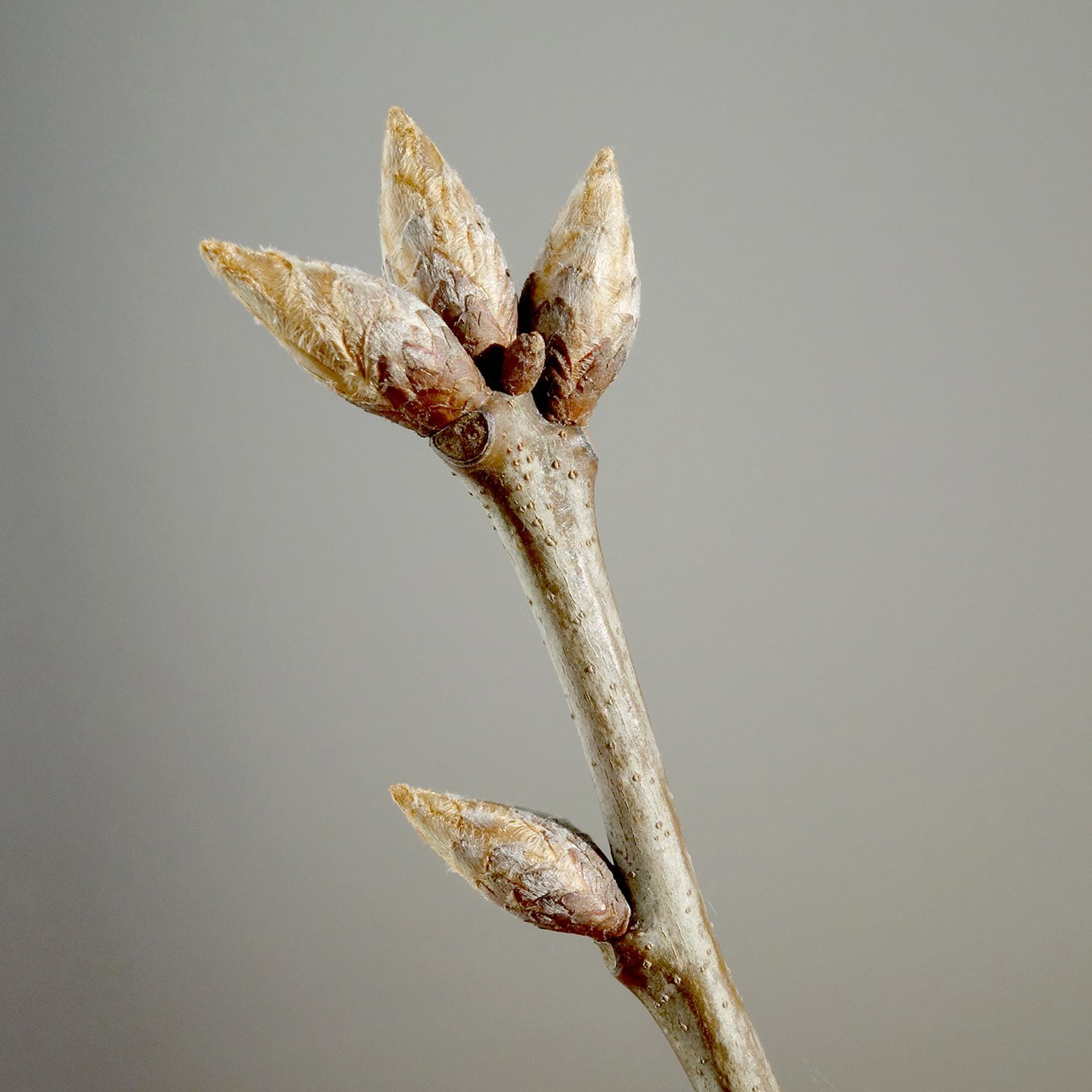
A thorny deciduous shrub or small tree reaching 5-10 m, often densely branched.
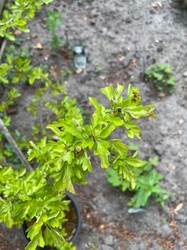
- Leaves: small, deeply lobed (3-7 lobes), glossy green, alternate
- Flowers: clusters of small, five-petalled, white (occasionally pink) blooms with a strong scent, in late spring
- Fruit: small, round, deep-red berries (haws), each typically with a single seed in C. monogyna
- Thorns: sharp woody spines along the branches
- Bark: grey-brown, becoming fissured and scaly with age
- Habit: dense, twiggy, ideal for hedging
Care & growing
An extremely tough and adaptable tree for hedges and wild gardens.
- Light: full sun to partial shade
- Water: moderate; very drought-tolerant once established
- Soil: thrives in almost any soil, including heavy clay and chalk
- Temperature: very cold-hardy, zones 4-8
- Feeding: rarely needed
- Propagation: from seed (requires lengthy stratification) or by layering; commonly grown for hedging and responds well to hard pruning and laying
Habitat & origin
Native to Europe, northwest Africa, and western Asia, growing in woodland, scrub, and hedgerows.
One of the most common hedgerow trees in Britain and across temperate Europe, it has also naturalized in North America, Australia, and New Zealand, sometimes becoming weedy outside its native range.
Frequently asked questions
Why is it called the may tree?
It typically blooms in May in its native Europe, and its blossom has long been associated with May Day celebrations.
Is hawthorn good for wildlife?
Exceptionally so; its flowers, foliage, and berries support a huge range of insects, birds, and mammals, making it a top wildlife plant.
Can hawthorn be used as a hedge?
Yes, its dense, thorny growth and tolerance of pruning make it one of the best traditional hedging plants for stockproof boundaries.
How can I identify common hawthorn?
Look for small deeply lobed glossy leaves, sharp woody thorns, clusters of scented white spring flowers, and round deep-red haws in autumn.
Hawthorn Tree guides
In-depth guides for identifying, growing, and caring for Hawthorn Tree.
How to Care for Hawthorn Tree
Grow tough, hardy Crataegus monogyna with full sun, moderate water, and light winter pruning; it becomes drought-tolerant once established.
Hawthorn Tree Identification Guide
How to identify Hawthorn (Crataegus) by its thorny branches, lobed toothed leaves, clusters of white spring flowers, and red autumn haws.
Hawthorn Tree identified by the community
Real specimens identified with Plant Identifier.