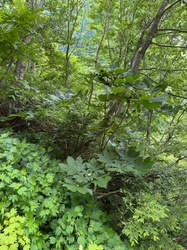
How to Care for Horse Chestnut
Grow the majestic horse chestnut (Aesculus hippocastanum), a large shade tree with showy spring flower spikes.
Read the full Horse Chestnut encyclopedia entry →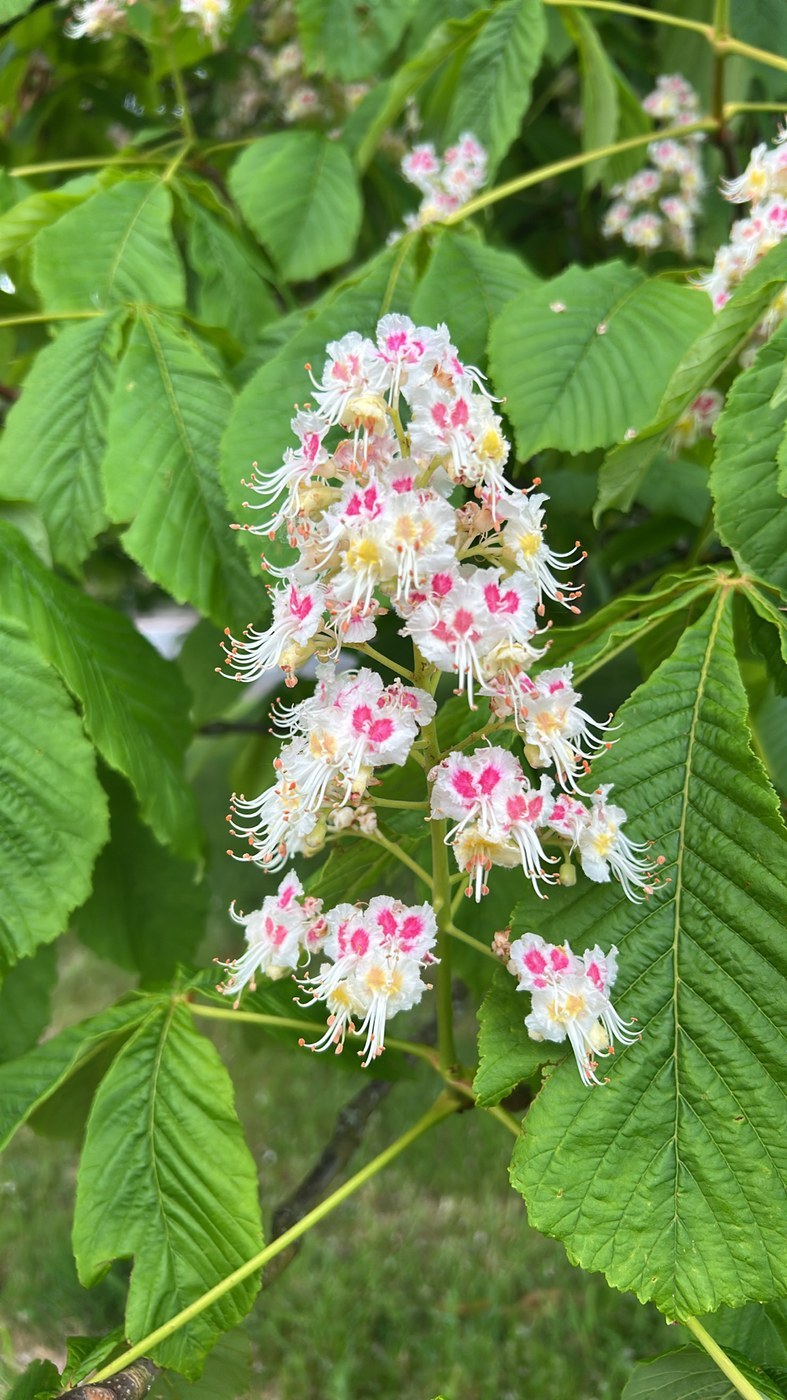
Horse chestnut (Aesculus hippocastanum) is a grand, broad-crowned deciduous tree famous for its upright candle-like spikes of white spring flowers and large palmate leaves. Given space and steady moisture, it becomes a magnificent long-lived shade and specimen tree.
Light
Horse chestnut grows in full sun to part shade. Full sun produces the most abundant flowering and a dense, well-shaped canopy, while young trees tolerate some light shade. Choose an open site with room for the mature spread, well away from buildings and paving.
Water
Provide moderate, consistent moisture. Young and newly planted trees need regular deep watering through their first few growing seasons to establish, especially in summer. Established trees are more self-sufficient but appreciate watering during extended drought; horse chestnut prefers soil that stays reasonably moist and dislikes prolonged dryness.
Soil & Potting
This tree favors deep, fertile, well-draining loam but adapts to a range of soils, including clay, as long as it is not permanently waterlogged. A neutral pH suits it well. Because of its eventual size and deep, spreading roots, it is a landscape tree rather than a long-term container subject; give it ample rooting room at planting.
Humidity & Temperature
Horse chestnut is a cool-temperate tree, fully hardy and well suited to regions with distinct seasons. It handles cold winters and moderate summer heat, though hot, dry summers can cause early leaf browning. No humidity management is needed; it relies on natural rainfall once established.
Feeding
Established trees in reasonable soil need little feeding. For young trees, an annual spring application of balanced slow-release fertilizer supports steady growth, and mulching over the root zone with compost provides gentle nutrition while conserving moisture. Keep mulch a few inches away from the trunk.
Propagation
Horse chestnut is most commonly grown from its large seeds, which are best sown fresh in autumn; they need a period of winter cold to break dormancy and germinate in spring. Named ornamental forms are usually propagated by grafting. Seedlings grow quickly once established.
Repotting / Pruning
Prune only lightly and mainly to remove dead, damaged, or crossing branches and to establish a strong central leader when young. Do major pruning in late winter to early spring while dormant. The tree naturally forms a good shape and needs little intervention; avoid heavy cuts that create large wounds.
Common Problems & Pests
The most common issues are the horse chestnut leaf miner, which causes brown blotching and early leaf browning, and leaf blotch fungus, both of which are largely cosmetic on established trees. Raking and removing fallen leaves reduces overwintering pests and disease. Guttation and bleeding canker can affect stressed trees, so keep the tree vigorous with good siting and moisture.
Seasonal Care Tips
In spring, enjoy the flower spikes, mulch the root zone, and feed young trees. Through summer, water during dry spells, particularly for recently planted trees. In autumn, rake and dispose of fallen leaves to limit leaf miner and blotch, and sow seed if propagating. In winter, carry out any structural pruning while the tree is dormant.
Frequently asked questions
How big does a horse chestnut tree get?
It is a large tree that can reach substantial height with a broad, spreading crown. Plant it in an open site with plenty of room, well away from buildings, paving, and utility lines.
Why are my horse chestnut leaves turning brown in summer?
Early browning is usually caused by the horse chestnut leaf miner or leaf blotch fungus. Both are largely cosmetic on healthy trees; raking and removing fallen leaves in autumn reduces the problem the next year.
How do I grow a horse chestnut from seed?
Sow the large fresh seeds in autumn in pots or the ground. They need a period of winter cold to break dormancy and typically germinate in spring, growing quickly once established.
When should I prune a horse chestnut?
Prune during dormancy in late winter to early spring, removing only dead, damaged, or crossing branches. The tree forms a good natural shape and needs little pruning.
Horse Chestnut identified by the community
Recent Horse Chestnut specimens identified with Plant Identifier.