Horse Chestnut
Aesculus hippocastanum
Horse chestnut is a large deciduous shade tree famous for its showy upright spikes of spring flowers and shiny brown conkers in spiky husks.
- Light
- Full sun to part shade
- Water
- Moderate; consistent moisture
- Difficulty
- Easy
Got a plant like this?
Identify any plant from a photo, free.
Overview
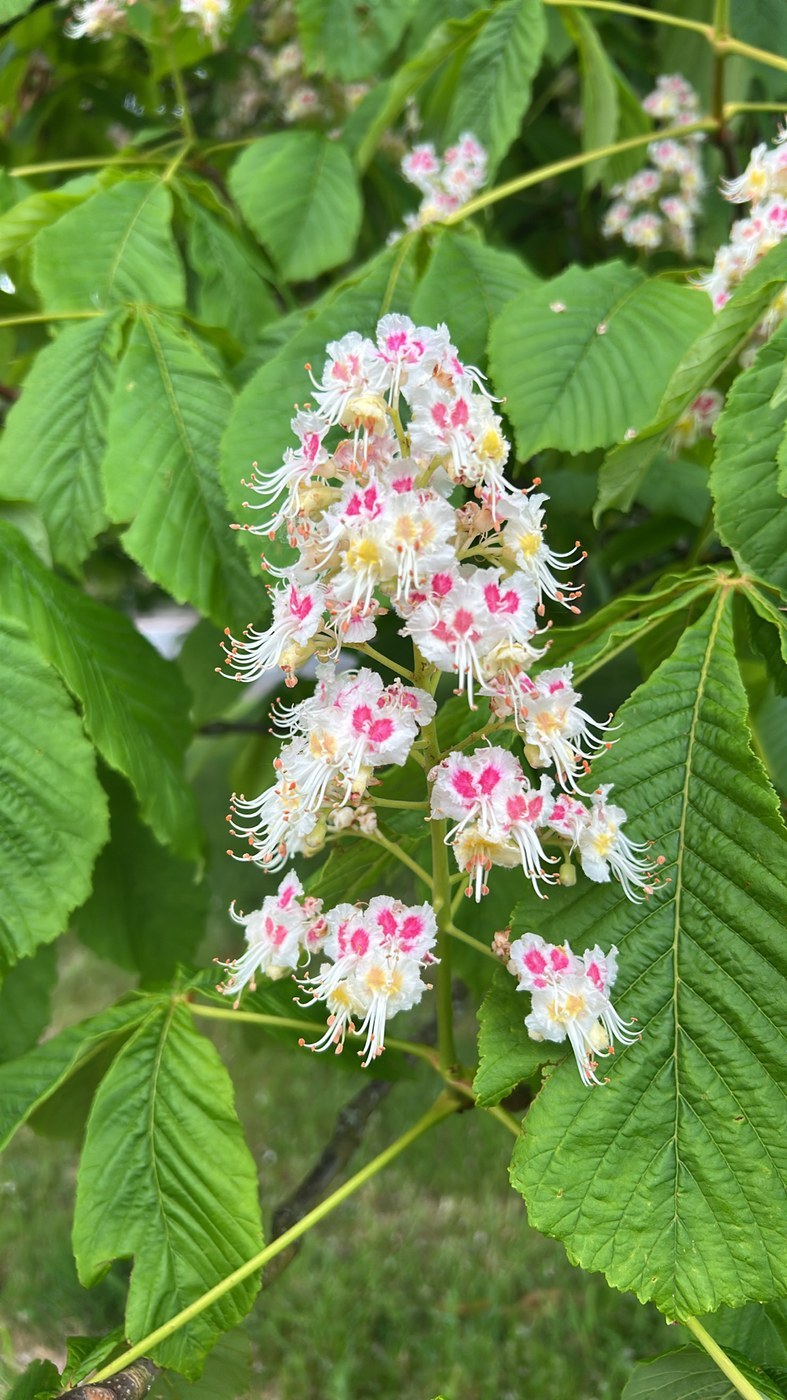
Horse chestnut (Aesculus hippocastanum) is a large, ornamental deciduous tree native to the Balkans and widely planted across Europe and North America for its dramatic spring flowering. In May it covers itself in showy, upright clusters of white blossoms.
Its glossy brown seeds, known as conkers, develop inside spiky green husks and are a beloved part of children's games in Britain.
Despite the name and the resemblance of its seeds to sweet chestnuts, the tree is unrelated to true chestnuts.
How to identify it
A large, broad-crowned deciduous tree with bold features.
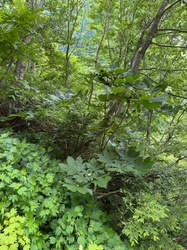
- Leaves: large, palmately compound with usually 5-7 large, toothed leaflets radiating from a central point like fingers on a hand
- Flowers: showy upright panicles ("candles") of white flowers with yellow-to-pink throats, blooming in spring
- Fruit: spiny green capsules splitting to release one or two glossy, mahogany-brown seeds (conkers)
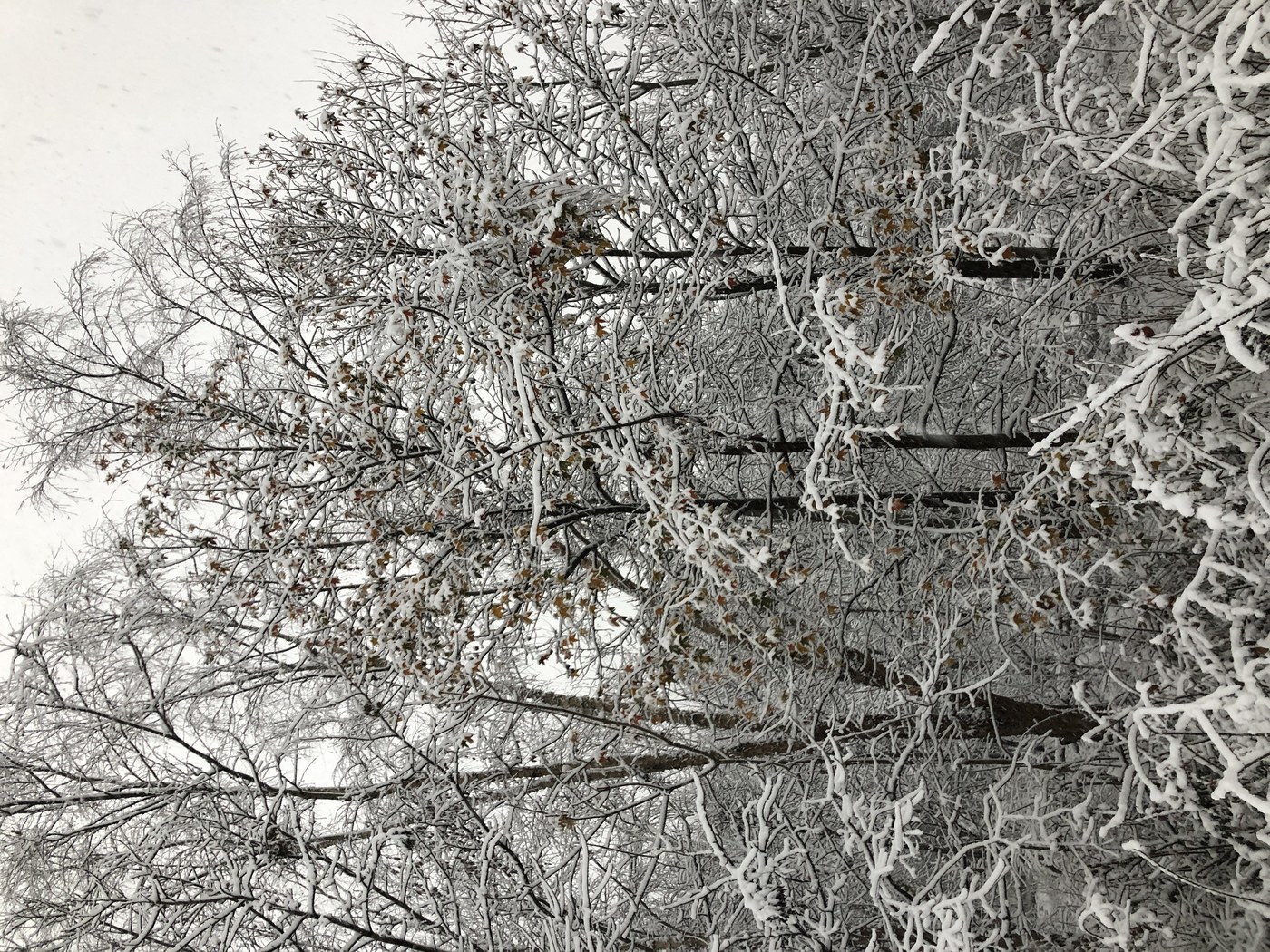
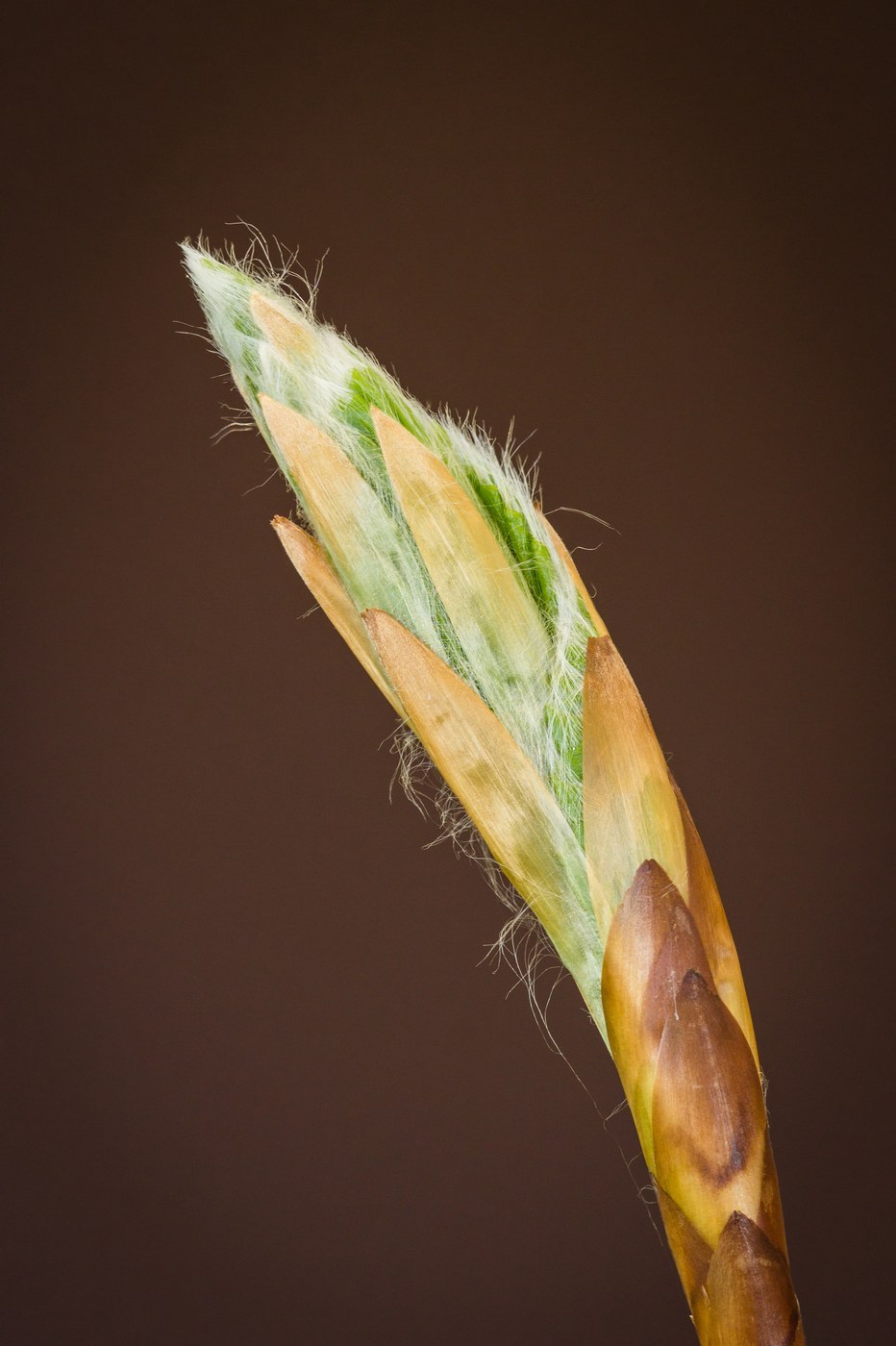
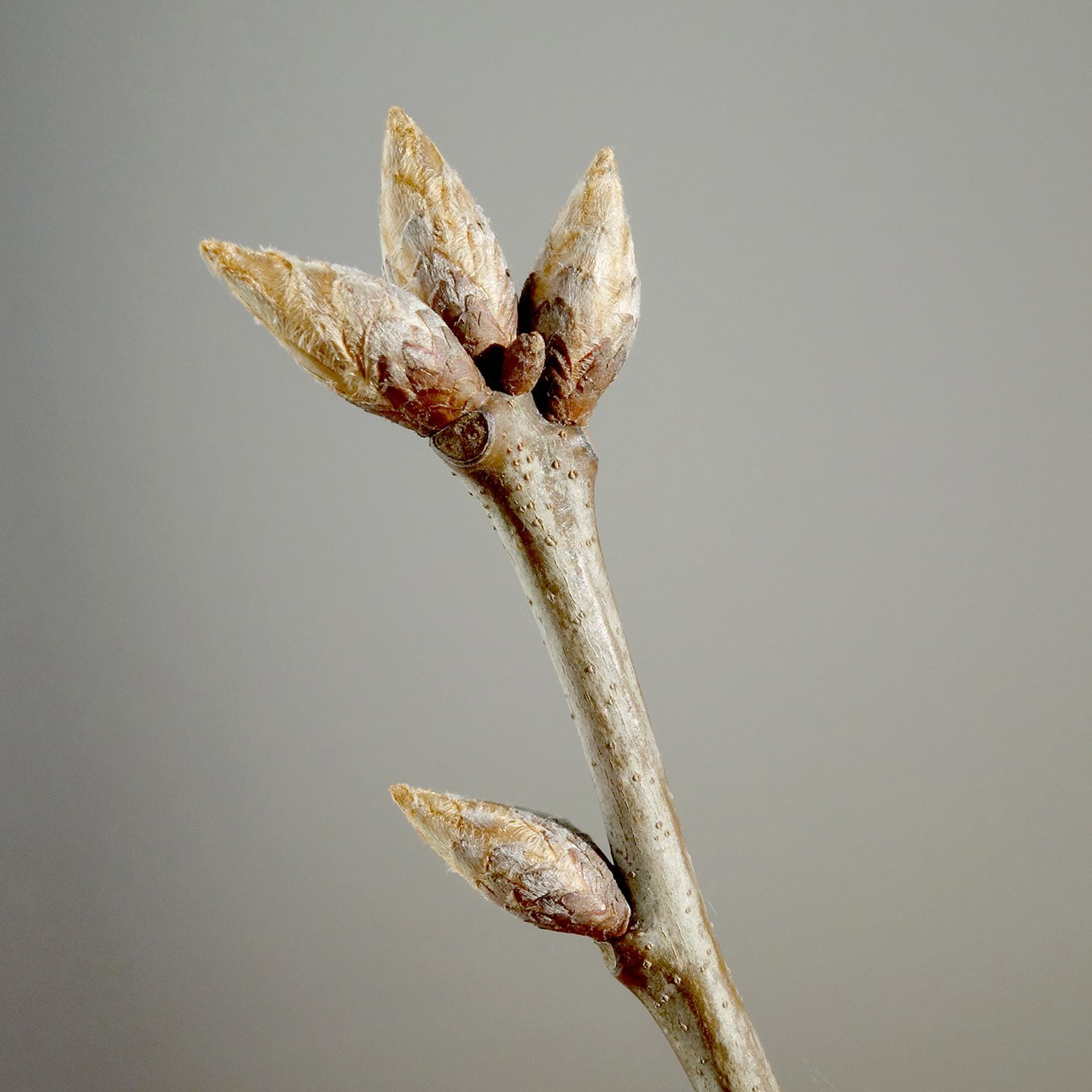
- Buds: large, sticky, resinous brown winter buds — a good ID feature
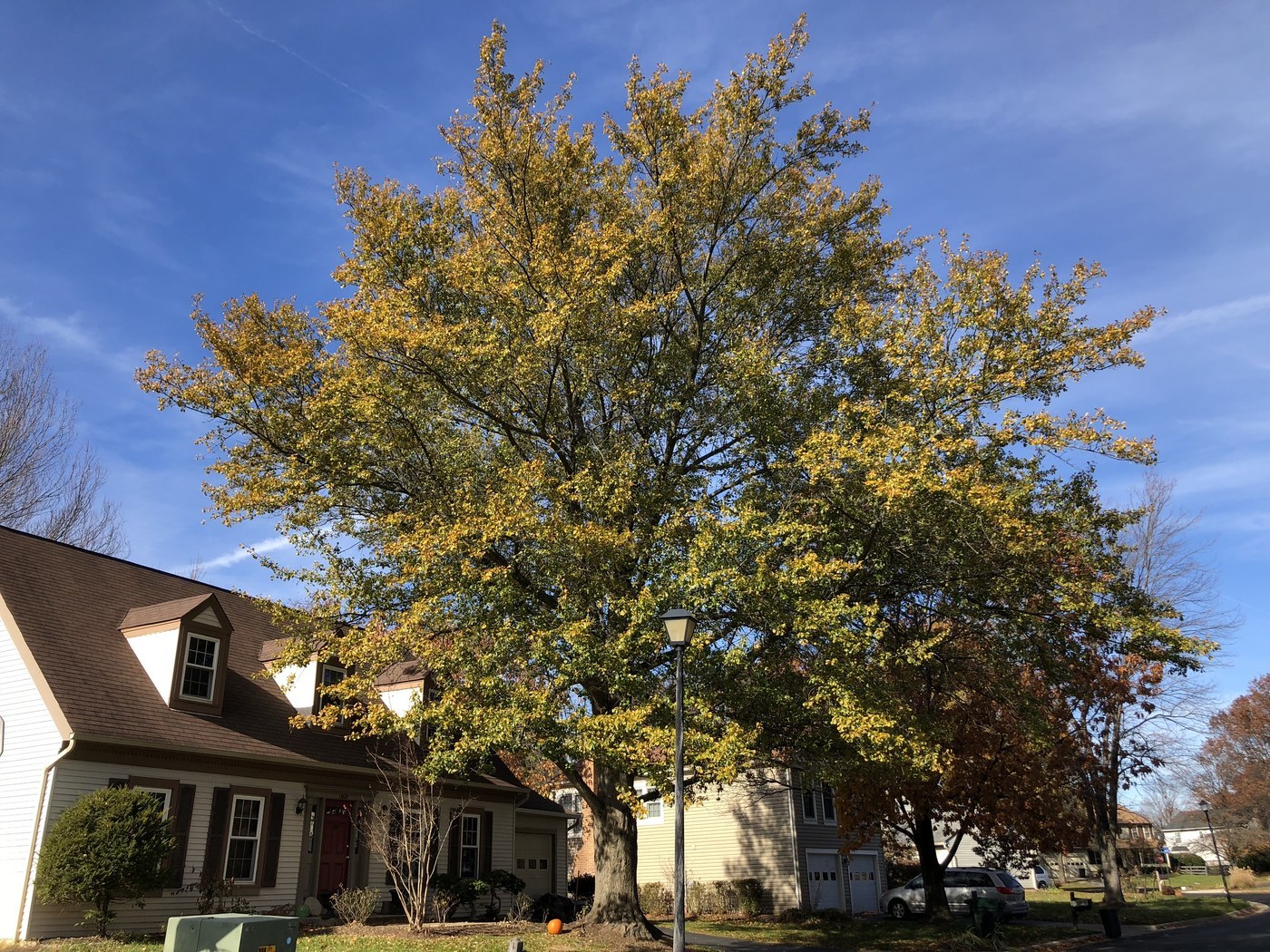
- Size: 25-30 m tall with a rounded, spreading crown
Care & growing
An easy large shade tree given space and moisture.
- Light: full sun to partial shade
- Water: moderate; prefers consistently moist soil and dislikes prolonged drought
- Soil: deep, fertile, well-drained soil
- Temperature: hardy in USDA zones 3-7
- Feeding: rarely needed in good soil
- Propagation: easily from fresh seed sown in fall
- Pests: prone to leaf miner and leaf blotch, which brown the foliage in late summer but rarely kill the tree
Habitat & origin
Native to a small area of mixed forests in the Balkan Peninsula of southeastern Europe. Once rare in the wild, it has been planted so widely that it is now familiar across Europe, North America, and other temperate regions.
It is a classic tree of parks, estates, avenues, and village greens, valued for its size and spectacular spring bloom.
Frequently asked questions
What are conkers?
Conkers are the glossy brown seeds of the horse chestnut, found inside spiky green husks. They're used in a traditional British children's game of the same name.
Why is it called horse chestnut?
The name likely comes from a folk belief that the seeds could treat horses' ailments, and from the horseshoe-shaped leaf scars left on the twigs.
Why do the leaves turn brown in late summer?
It's usually caused by the horse chestnut leaf miner moth or leaf blotch fungus. These disfigure the foliage but rarely seriously harm an established tree.
Horse Chestnut guides
In-depth guides for identifying, growing, and caring for Horse Chestnut.
How to Care for Horse Chestnut
Grow the majestic horse chestnut (Aesculus hippocastanum), a large shade tree with showy spring flower spikes.
Horse Chestnut Identification Guide
Identify horse chestnut by its large palmately compound leaves, upright white flower candles, and spiny husks holding glossy conkers.
Horse Chestnut identified by the community
Real specimens identified with Plant Identifier.