How to Care for Horsetail
Grow Horsetail (Equisetum arvense): an architectural, primitive rush-like plant for wet ground and water features; contain its vigorous spread.
Read the full Horsetail encyclopedia entry →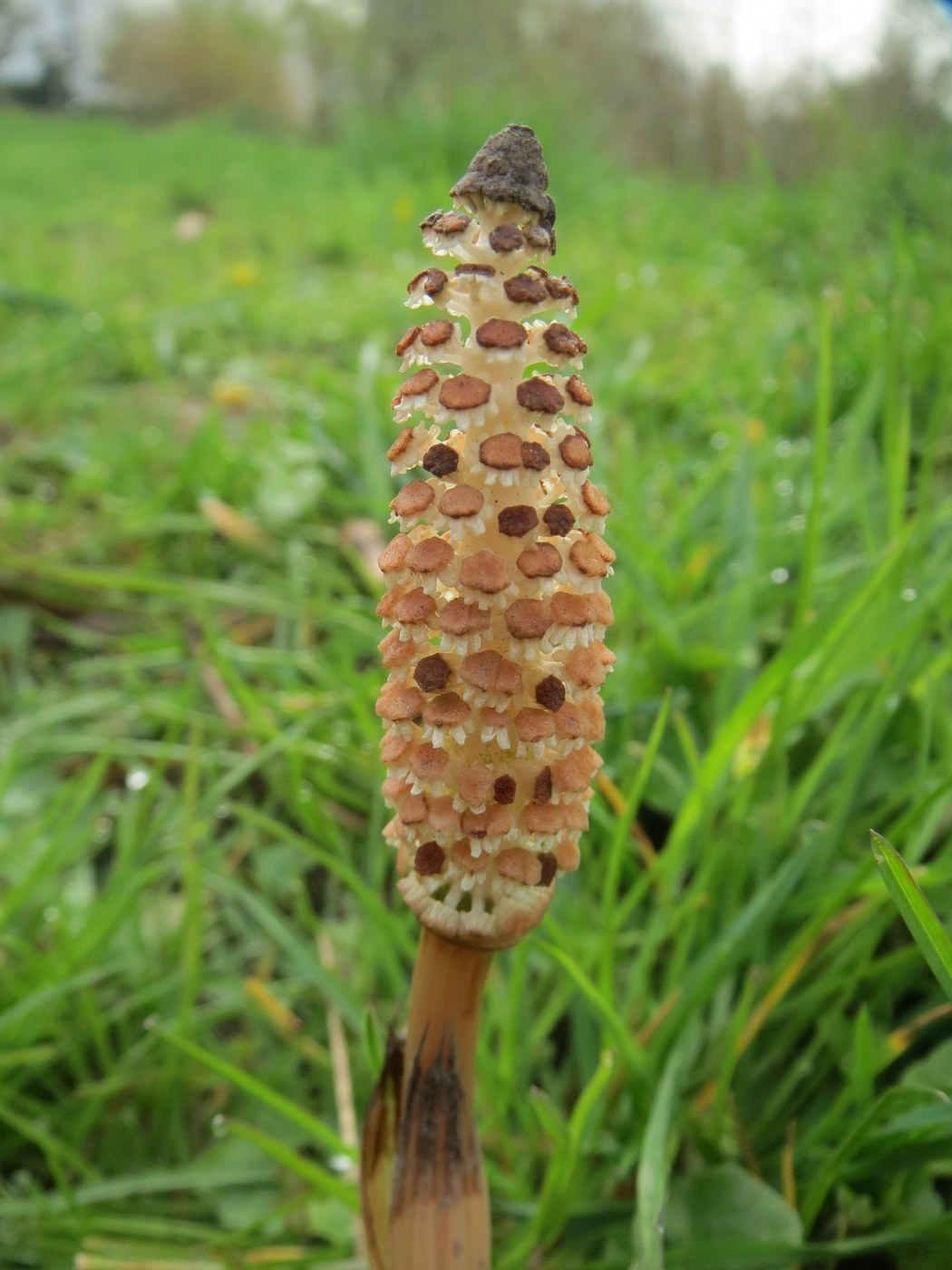
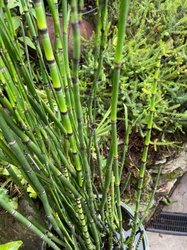
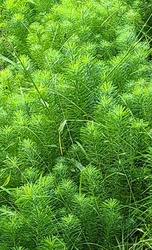
Horsetail (Equisetum arvense) is an ancient, primitive plant with jointed, hollow, rush-like stems that lend a striking architectural and prehistoric look to water features, bog gardens, and modern container plantings. It is easy to grow to the point of being aggressively vigorous, so the real skill in cultivating it is keeping it contained.
Light
Horsetail grows well in full sun to part shade. Full sun produces the most upright, sturdy stems, while partial shade is tolerated without trouble. It is highly adaptable to light and will thrive in most positions, making its exposure requirements very forgiving.
Water
This is a moisture-loving plant that thrives in consistently wet soil and even tolerates standing water, making it a natural for pond margins and bog gardens. Never let it dry out for long. It is one of the few ornamentals happy in perpetually saturated ground, and abundant water is key to lush, healthy stems.
Soil & Potting
Horsetail is undemanding about soil and grows in almost anything from sand to heavy clay, provided it stays moist. It excels in wet, poorly drained spots where other plants sulk. Because it spreads aggressively by deep, wandering rhizomes, it is best grown in a solid container with no drainage holes, or a sunken bottomless pot or pond basket, to contain the roots.
Humidity & Temperature
Horsetail is extremely hardy and adaptable, tolerating cold winters and a wide range of humidity. The upright green stems die back in cold winters and regrow from the rhizomes in spring. Its resilience across climates is part of what makes it such a persistent grower.
Feeding
Horsetail needs essentially no feeding and is famous for thriving in poor, infertile conditions. Fertilizer only encourages its already aggressive spread. Skip feeding entirely; the plant will flourish on its own.
Propagation
Propagation is effortless, indeed almost too easy, by dividing the rhizomes or lifting rooted sections and replanting them in moist soil. Even small pieces of rhizome will sprout new plants. Because of this, take care that discarded fragments do not root where they are not wanted.
Repotting / Pruning
Cut back old or tired stems to the ground to encourage fresh growth and keep the stand looking crisp. In containers, divide and refresh the plant every year or two as the rhizomes quickly fill the pot. Above all, monitor and physically confine the rhizomes; barriers, sealed containers, and vigilance are the main maintenance tasks. Remove any stems or roots that escape confinement immediately.
Common Problems & Pests
Horsetail is virtually free of pests and diseases; its toughness is legendary. The genuine problem is the plant itself: its deep, far-running rhizomes make it invasive and extremely difficult to eradicate once loose in open ground. Grow it only in secure containment. Do not plant it directly in beds unless you are prepared for it to spread widely and persistently.
Seasonal Care Tips
In spring, fresh green shoots emerge from the rhizomes; thin and tidy as needed. Through the growing season, keep the soil wet and cut back any escaping or damaged stems. In fall and winter the top growth dies back in cold climates, returning reliably from the roots. Year round, the priority is checking that the rhizomes stay confined.
Frequently asked questions
Why is horsetail so hard to control?
It spreads by deep, far-reaching rhizomes that can regenerate from small fragments, making it one of the most persistent plants to contain. Always grow it in a sealed container or bottomless sunken pot, and remove any stems that escape at once.
Can horsetail grow in standing water?
Yes. It is a wetland plant that thrives in saturated soil and tolerates standing water, so it is well suited to pond margins, bog gardens, and water features.
Does horsetail need fertilizer?
No. It thrives in poor, infertile soil and needs no feeding. Fertilizer only encourages its already aggressive spread, so it is best withheld entirely.
How do I propagate horsetail?
Simply divide the rhizomes or replant rooted sections into moist soil; even small pieces will sprout. It roots so readily that the main caution is preventing stray fragments from spreading where you don't want them.
Horsetail identified by the community
Recent Horsetail specimens identified with Plant Identifier.