How to Care for Iris
Grow bearded iris for showy late-spring blooms with full sun, sharp drainage, and rhizomes planted at the soil surface.
Read the full Iris encyclopedia entry →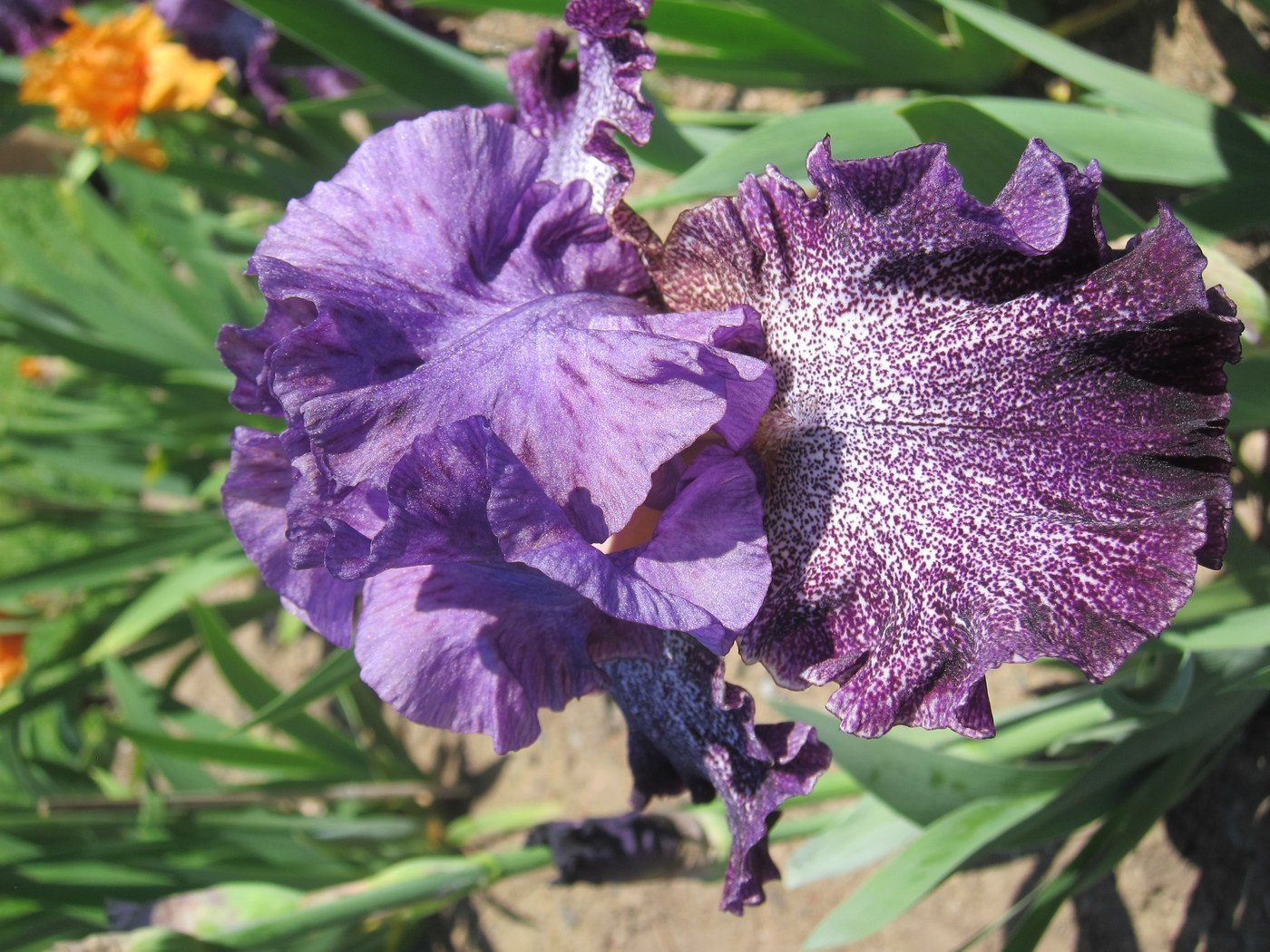
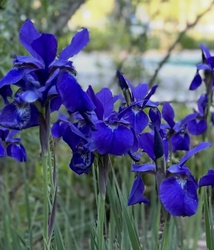
The bearded Iris (Iris germanica) is a classic hardy perennial celebrated for its large, ruffled, richly colored late-spring flowers held on tall stalks above sword-shaped, upright foliage. Grown from thick rhizomes, it is easy and reliable when given sun and good drainage, the two things it insists on.
Light
Bearded iris demands full sun, at least six hours of direct light daily, for strong blooms. In too much shade the plants produce lush leaves but few or no flowers and become prone to rot. In very hot climates a little afternoon shade is tolerated, but generally the sunnier the site, the better the display.
Water
Water moderately. Iris are drought-tolerant once established and dislike constantly wet conditions around the rhizomes, which invites rot. Water newly planted rhizomes to settle them, then water deeply but infrequently, allowing the soil to dry between waterings. During the bloom period and dry spells give a deep drink, but never let the rhizomes sit in soggy soil. Cut back watering after flowering as the plants rest.
Soil & Potting
Sharp drainage is essential. Bearded iris grow best in fertile, neutral to slightly acidic soil that drains freely; heavy clay must be amended with grit or compost, or the iris planted in raised beds. The key planting detail is depth: set the rhizome so its top is at or just barely below the soil surface, exposed to sun and air, with roots spread downward. Burying the rhizome too deep is the most common cause of failure to bloom and of rot.
Humidity & Temperature
Bearded iris are hardy across a wide range, roughly USDA zones 3-9, and need a cold winter dormancy to bloom well. They tolerate heat and prefer drier air; humid, wet conditions encourage fungal and bacterial problems. Good air circulation between clumps keeps foliage healthy.
Feeding
Feed lightly with a low-nitrogen fertilizer, such as a bulb food or a formula higher in phosphorus, in early spring as growth resumes and again lightly after bloom. Avoid high-nitrogen fertilizers, which promote soft leafy growth prone to rot and reduce flowering. A light scattering of bone meal or a balanced bloom fertilizer worked gently into the surrounding soil, not directly on the rhizome, works well.
Propagation
Bearded iris are propagated by dividing the rhizomes, ideally in mid to late summer about six weeks after flowering. Lift the clump, cut the rhizomes into sections each with a fan of leaves and healthy roots, discard the old woody center, trim the leaf fans to about a third of their height, and replant with the rhizome top exposed. Dividing every three to four years keeps clumps vigorous and blooming.
Repotting / Pruning
Iris clumps become crowded over time, which reduces flowering, so lift and divide every three to four years. After flowering, cut the spent bloom stalks down to the base to tidy the plant and prevent seed formation. Trim away brown or diseased leaves, but leave healthy green foliage through summer to feed the rhizome; cut foliage back only in late fall or as it dies down.
Common Problems & Pests
The most serious problems are bacterial soft rot and fungal rots, both worsened by wet soil, deep planting, and poor air flow; prevention lies in sharp drainage and shallow planting. Iris borer is a damaging pest whose larvae tunnel through leaves into the rhizome; remove and destroy old foliage in fall to eliminate overwintering eggs. Leaf spot causes brown spots on foliage in wet weather. Keep beds clean, space plants for airflow, and avoid overhead watering.
Seasonal Care Tips
In spring, tidy beds, feed lightly, and enjoy the late-spring bloom. After flowering, deadhead the stalks and give the main window for dividing and replanting in mid to late summer. In fall, cut back and remove all old foliage to deny borers and rot a foothold. In cold regions a light winter mulch protects newly planted rhizomes, but pull it back in spring so the rhizomes stay exposed.
Frequently asked questions
Why won't my bearded iris bloom?
The most common causes are too much shade, rhizomes planted too deeply, overcrowded clumps that need dividing, or too much nitrogen fertilizer. Give full sun, keep the rhizome top at the soil surface, divide every three to four years, and use a low-nitrogen fertilizer.
How deep should I plant iris rhizomes?
Very shallow. Set the rhizome so its top is level with or just barely beneath the soil surface, exposed to sun and air, with the roots spread downward beneath it. Planting too deep prevents blooming and encourages rot.
When and how do I divide bearded iris?
Divide in mid to late summer, about six weeks after flowering, when clumps get crowded every three to four years. Lift the clump, cut rhizomes into sections with a fan of leaves and roots, discard the old center, trim the leaves to a third, and replant with the rhizome top exposed.
How often should I water bearded iris?
Water moderately and let the soil dry between waterings. Iris are drought-tolerant once established and rot in constantly wet soil, so deep, infrequent watering suits them best, with extra water only during bloom and prolonged dry spells.
Iris identified by the community
Recent Iris specimens identified with Plant Identifier.