Iris
Iris germanica
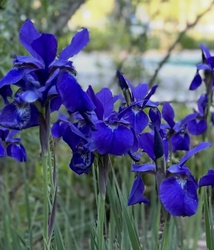
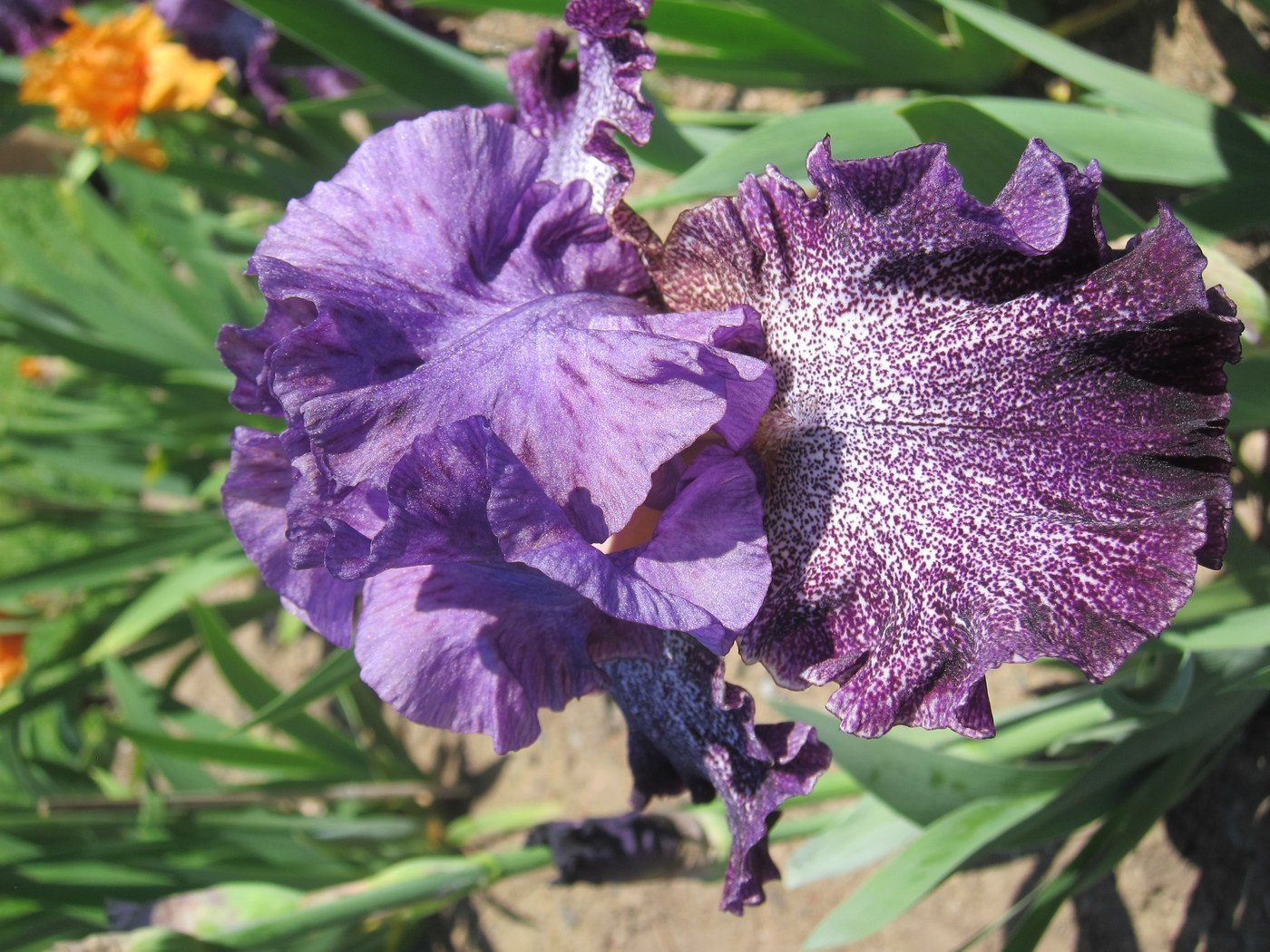
Irises are elegant perennials with sword-like leaves and intricate flowers featuring upright "standards" and drooping "falls." The bearded iris is the most widely grown garden type.
- Light
- Full sun
- Water
- Moderate; avoid wet rhizomes
- Difficulty
- Easy
Got a plant like this?
Identify any plant from a photo, free.
Overview
Iris is a large genus of perennials named for the Greek goddess of the rainbow, reflecting the extraordinary color range of their flowers. The most popular garden form is the bearded iris, with a fuzzy strip on each lower petal.
Irises grow from rhizomes or bulbs and form clumps of upright, fan-shaped foliage. They are classic late-spring border plants, prized for their architectural flowers and easy care.
How to identify it
Identified by fan-shaped leaves and the distinctive six-part flower structure.
- Flowers: Three upright petals ("standards") and three drooping petals ("falls"); bearded types have a fuzzy line on the falls
- Leaves: Stiff, sword- or blade-shaped, arranged in flat fans
- Colors: Nearly every shade including purple, blue, white, yellow, and bicolor
- Growth: Spreads from thick surface rhizomes (or bulbs in some types)
Care & growing
Bearded irises need sun and good drainage, with rhizomes kept near the surface.
- Light: Full sun for best flowering
- Water: Moderate; they tolerate dry spells and dislike soggy soil
- Soil: Well-draining; plant rhizomes shallowly with the top exposed
- Temperature: Hardy perennials in temperate zones
- Feeding: Light feeding with low-nitrogen fertilizer in spring
- Maintenance: Divide clumps every 3-4 years to prevent crowding
- Propagation: Divide rhizomes in summer after flowering
Habitat & origin
Irises occur across the Northern Hemisphere, with bearded iris ancestry tracing to Europe and the Mediterranean and Middle East. They naturally grow in meadows, rocky slopes, and some in wet margins (water irises).
They are cultivated worldwide as garden perennials, in borders, cottage gardens, and along water features for moisture-loving species.
Frequently asked questions
Why won't my bearded iris bloom?
Common causes are too much shade, overcrowded rhizomes, or planting rhizomes too deep. Divide and replant shallowly in full sun.
When should I divide irises?
Divide bearded iris clumps in mid- to late summer, a few weeks after flowering.
How deep do I plant iris rhizomes?
Plant bearded iris rhizomes near the surface with the top partly exposed; burying them too deep prevents blooming.
Why are my iris leaves arranged in flat fans?
That fan-shaped arrangement of stiff, sword-like leaves is a natural identifying feature of irises and helps distinguish them from other clumping perennials.
Iris guides
In-depth guides for identifying, growing, and caring for Iris.
How to Care for Iris
Grow bearded iris for showy late-spring blooms with full sun, sharp drainage, and rhizomes planted at the soil surface.
Iris Identification Guide
Identify irises by their distinctive three-up, three-down flower structure, sword-shaped fanned leaves, and the bearded or beardless crests on their falls.
Iris identified by the community
Real specimens identified with Plant Identifier.