How to Care for Jade Plant
Grow a lush Crassula ovata with the right light, sparse watering, and gritty soil. A forgiving succulent that thrives on neglect indoors.
Read the full Jade Plant encyclopedia entry →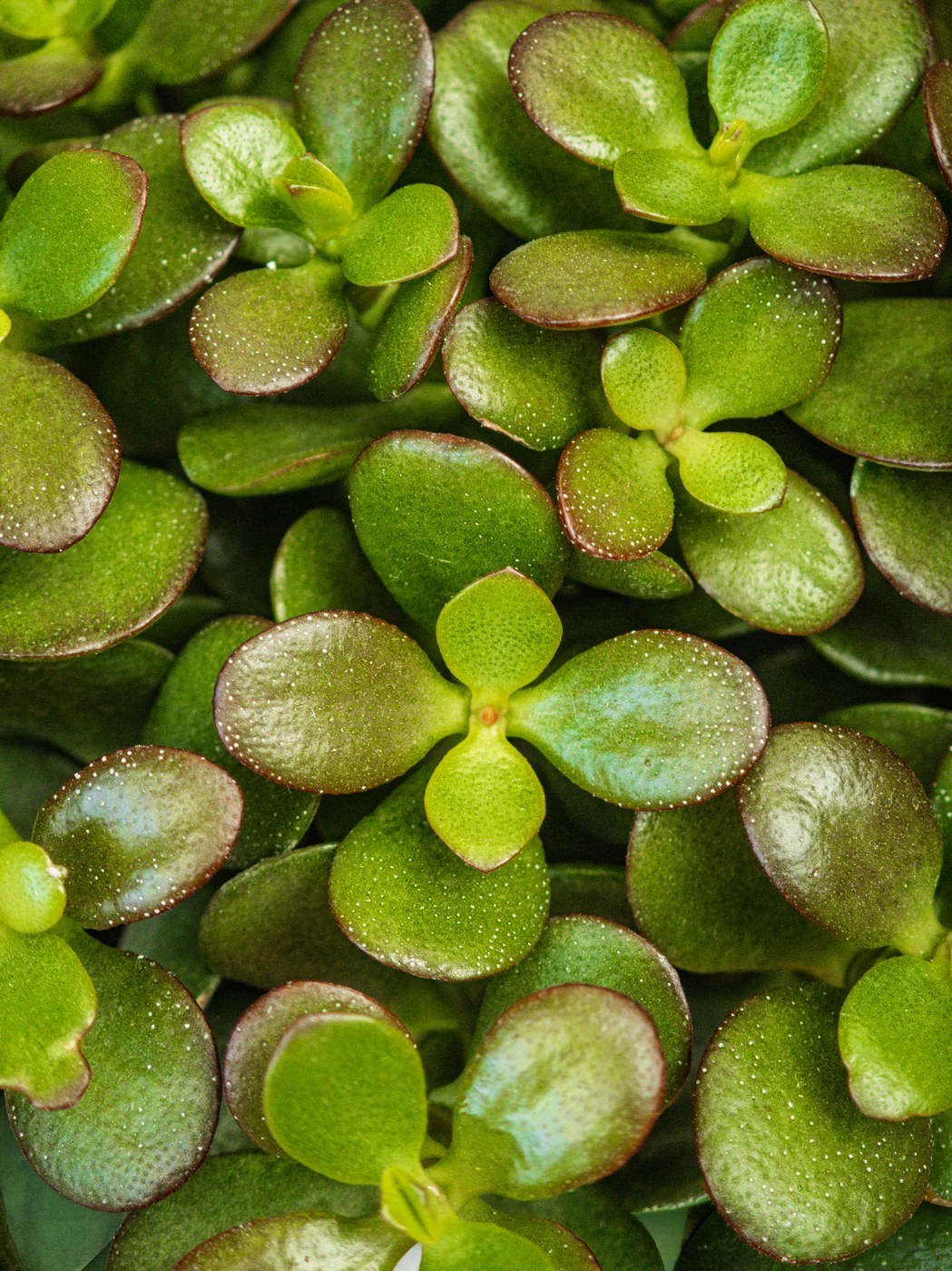
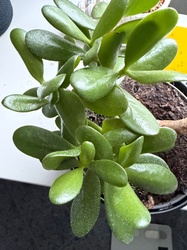
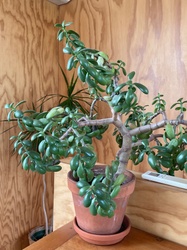
The jade plant (Crassula ovata) is a slow-growing, tree-like succulent prized for its thick, glossy, paddle-shaped leaves and sturdy woody trunk. It is one of the most forgiving houseplants you can grow, tolerating neglect and rewarding a bright windowsill with a compact, sculptural form.
Light
Jade plants want as much light as you can give them. A south- or west-facing window with several hours of bright direct sun keeps growth tight and the leaves plump; some cultivars develop red-tinged leaf margins in strong light. In too little light stems stretch, internodes lengthen, and the plant becomes leggy and floppy. If moving a jade outdoors for summer, acclimate it gradually over a week or two to avoid scorching the leaves.
Water
Water sparingly and only after the soil has dried out completely. During active growth in spring and summer, a thorough soak every two to three weeks is usually plenty; in the cooler, darker months reduce to roughly monthly. Always let excess water drain freely and never leave the pot sitting in a saucer of water. Wrinkled, soft leaves signal thirst, while yellowing, mushy leaves and a soft trunk signal overwatering, which is the single most common way jades are lost.
Soil & Potting
Use a fast-draining, gritty mix. A commercial cactus and succulent soil amended with extra perlite, pumice, or coarse sand works well and prevents water from lingering around the roots. Choose a container with a generous drainage hole; unglazed terracotta is ideal because it wicks moisture from the soil and dries the root ball faster. A relatively snug pot helps keep the top-heavy plant stable and discourages soggy soil.
Humidity & Temperature
Jades are comfortable in ordinary household humidity and actually prefer drier air over damp, stagnant conditions. Normal room temperatures suit them, and they enjoy a cooler, drier rest in winter. Protect the plant from frost and from cold drafts; sudden chills combined with wet soil are especially damaging. Good airflow around the leaves helps prevent fungal issues.
Feeding
Feed lightly. A balanced or succulent-formulated fertilizer diluted to half strength, applied once every month or two during spring and summer, is more than enough. Do not feed in fall and winter when growth slows. Overfeeding produces weak, watery growth, so err on the side of less.
Propagation
Jade is exceptionally easy to propagate. Snap off a healthy leaf or take a stem cutting a few inches long, then let the cut end callus over for a few days before setting it on or just into barely moist gritty mix. Roots and tiny plantlets form within a few weeks. Keep new cuttings in bright indirect light and water very sparingly until they are established.
Repotting / Pruning
Repot only every few years, ideally in spring, moving up just one pot size. Because jades grow slowly, they are happy staying somewhat rootbound. Prune to shape the canopy and encourage a thicker trunk: pinch new growth tips or cut back leggy branches just above a leaf node, and the plant will branch below the cut. Pruning also helps balance a top-heavy specimen.
Common Problems & Pests
The most frequent problem is root and stem rot from overwatering; catch it early by unpotting, cutting away soft tissue, and letting the plant dry. Leaf drop can follow sudden changes in light, temperature, or watering. Watch for mealybugs tucked in leaf axils and along stems, appearing as white cottony spots, and for occasional scale; wipe them off with a swab dipped in alcohol or treat with an appropriate insecticidal spray. Etiolated, stretched growth is a light problem, not a pest.
Seasonal Care Tips
In spring and summer, give maximum light, resume regular (but still infrequent) watering, and feed lightly. In fall, taper watering and stop feeding as growth slows. In winter, keep the plant cool, bright, and on the dry side; this rest period, combined with strong light, can encourage mature jades to bloom in late winter with clusters of small star-shaped flowers.
Frequently asked questions
Why are my jade plant's leaves shriveling?
Wrinkled, soft leaves usually mean the plant is thirsty and the soil has been dry too long. Give it a thorough soak and the leaves should plump back up within a few days. If leaves are instead yellow and mushy, that is overwatering, not under.
How often should I water a jade plant?
Only when the soil has dried out completely, roughly every two to three weeks in spring and summer and about monthly in winter. Jades store water in their leaves and are far more tolerant of drought than of soggy soil.
Why is my jade plant getting tall and leggy?
Stretched stems with widely spaced leaves mean too little light. Move it to your brightest window with some direct sun, and prune back the leggy growth to encourage a bushier, sturdier shape.
Can I grow a jade plant from a single leaf?
Yes. Let a healthy detached leaf callus for a few days, then rest it on barely moist gritty soil in bright indirect light. A tiny plantlet and roots will form at the base over several weeks.
Jade Plant identified by the community
Recent Jade Plant specimens identified with Plant Identifier.