How to Care for Japanese Knotweed
Growing notes for Reynoutria japonica, an extremely vigorous perennial that thrives almost anywhere and must be contained.
Read the full Japanese Knotweed encyclopedia entry →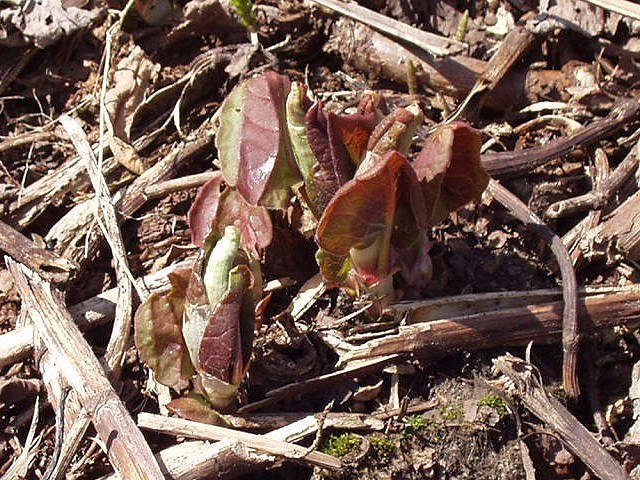
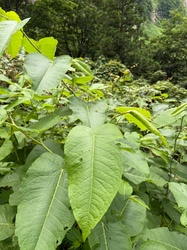
Japanese Knotweed (Reynoutria japonica) is an exceptionally vigorous herbaceous perennial with bamboo-like hollow stems, broad shield-shaped leaves, and frothy late-summer flower plumes. It is famously easy to grow because it tolerates almost any conditions, but that same vigour makes it highly invasive and difficult to remove, so it should only ever be grown in strictly contained situations where its aggressive spread can be controlled. Many regions restrict or prohibit planting it; always check local regulations before growing it.
Light
Knotweed grows in full sun to part shade and is entirely unfussy about light. Fullest sun produces the densest, sturdiest stands and the strongest flowering, while shade yields taller, laxer growth. It will colonise poor light situations that defeat most ornamentals.
Water
It handles moderate to high moisture and tolerates consistently moist soil, including damp ground near water and riverbanks. It is also drought-hardy once established thanks to deep, robust rhizomes. In practice it rarely needs supplemental watering; simply water occasionally during prolonged dry spells if you want lush foliage.
Soil & Potting
Knotweed grows in virtually any soil, from clay to sand, acidic to alkaline, poor to rich, and even in rubble and disturbed ground. If you grow it deliberately, the critical measure is containment: use a large, robust container or a below-ground root barrier, because its rhizomes travel far and regenerate from tiny fragments. Never dispose of stems, roots, or soil casually, as fragments can sprout new colonies.
Humidity & Temperature
This is a tough, cold-hardy temperate perennial. Top growth dies back to the ground with frost and resprouts vigorously each spring from the rhizome. It shrugs off heat, cold, wind, and humidity extremes across a wide climate range and needs no special protection.
Feeding
Feeding is essentially never required and generally discouraged, since the plant already grows with excessive vigour. In poor soil a light spring feed would only accelerate an already aggressive spread, so most growers deliberately withhold fertiliser.
Propagation
Knotweed spreads mainly by rhizome and stem fragments, which root with alarming ease; even small pieces can establish. Because of this, deliberate propagation is rarely advisable and is legally restricted in many areas. Managing it is far more about limiting spread than encouraging it.
Repotting / Pruning
If contained in a pot or bed, cut the dead canes to the ground in late autumn or late winter and dispose of all material responsibly, never in green waste or compost where fragments could spread. Cutting back new growth repeatedly through the season weakens the rhizome over time. Keep a close eye on any escape beyond its barrier.
Common Problems & Pests
The overwhelming "problem" with knotweed is uncontrolled spread and the difficulty of eradicating an established stand; its rhizomes are deep and persistent. It has very few pest or disease issues in cultivation, being naturally robust. Vigilant containment, repeated cutting, and careful disposal are the main management tasks.
Seasonal Care Tips
Expect vigorous red-tinged shoots in spring that grow rapidly through summer, creamy flower plumes in late summer, and a full die-back to bare canes after autumn frosts. Cut down and dispose of dead canes in the dormant season, and inspect the containment barrier every spring for any rhizome escape before growth accelerates.
Frequently asked questions
Is Japanese Knotweed easy to grow?
Extremely, sometimes too easy. It tolerates almost any soil, light, and moisture and regrows vigorously from its rhizomes each year. The real challenge is containing and eventually removing it, not keeping it alive.
How do I stop it from spreading?
Grow it only within a robust root barrier or large container, cut it back repeatedly to weaken the rhizome, and never let stem or root fragments escape. Dispose of all cut material responsibly rather than composting it.
Can I grow it in a pot?
Yes, and a large, sturdy container is one of the safer ways to contain it. Check that no roots escape through drainage holes, cut back canes each dormant season, and monitor closely, since even small fragments can start new plants.
Why should I check regulations before planting it?
Because it spreads so aggressively and is so hard to remove, many regions legally restrict or prohibit planting, moving, or disposing of Japanese Knotweed. Always confirm local rules before growing it deliberately.
Japanese Knotweed identified by the community
Recent Japanese Knotweed specimens identified with Plant Identifier.