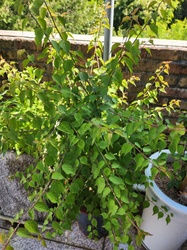
How to Care for Jasmine
Grow fragrant common jasmine (Jasminum officinale) with steady moisture, sun, and support for its twining vines.
Read the full Jasmine encyclopedia entry →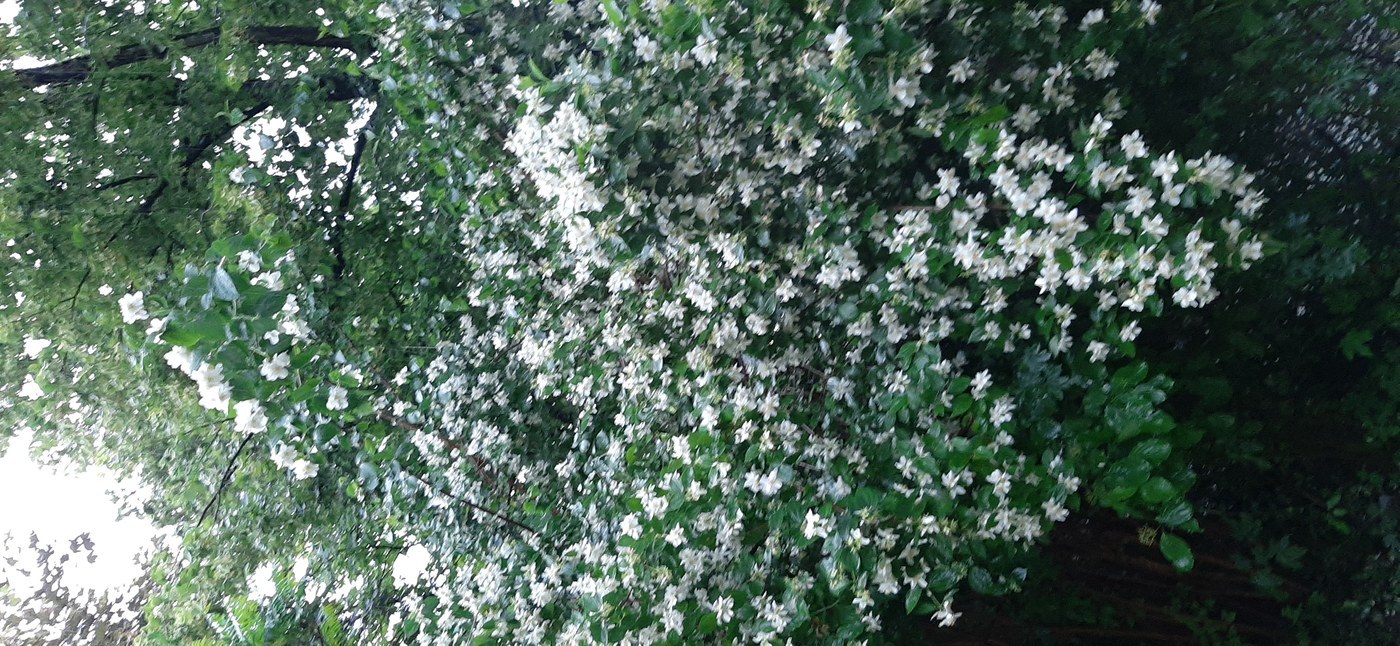
Common jasmine (Jasminum officinale) is a vigorous, twining vine prized for its clusters of star-shaped white blooms and their evening perfume. With a sunny spot, a sturdy support, and consistent moisture, it rewards moderate effort with months of flowering.
Light
Give jasmine full sun to part shade. The most abundant flowering happens with at least four to six hours of direct sun; in very hot climates a little afternoon shade keeps foliage from scorching. Indoors, place it at a bright south- or west-facing window and rotate the pot periodically so growth stays even.
Water
Water regularly to keep the soil evenly moist but never waterlogged. During active growth in spring and summer, check the top inch of soil and water once it begins to dry. Reduce watering in winter when growth slows, allowing the surface to dry a bit more between drinks. Container plants dry faster than those in the ground, so monitor them closely in warm weather.
Soil & Potting
Use a rich, well-draining loam. For pots, a quality all-purpose mix amended with compost and a handful of perlite or grit gives both fertility and drainage. Ensure the container has ample drainage holes. In the garden, work organic matter into the planting hole and choose a spot that does not stay soggy.
Humidity & Temperature
Jasmine appreciates moderate to high humidity and warm days. It thrives in the roughly 60-75F range during the growing season. It can tolerate a light chill and a brief cool dormancy actually helps set buds, but protect it from hard frost. Indoor plants benefit from occasional misting or a nearby humidity tray in dry rooms.
Feeding
Feed every two to four weeks through spring and summer with a balanced, flower-friendly fertilizer, or one slightly higher in phosphorus and potassium to encourage blooms. A high-nitrogen feed produces lush leaves at the expense of flowers, so avoid overdoing nitrogen. Stop feeding in autumn and winter.
Propagation
Propagate from semi-ripe stem cuttings taken in summer. Choose a healthy 4-6 inch section, remove the lower leaves, and insert it into a moist, gritty rooting mix. Keep it warm and humid under a cover or bag; roots typically form in several weeks. Layering long, flexible stems into the soil is another reliable method.
Repotting / Pruning
Repot every couple of years in spring, or when roots fill the container, moving up one pot size. Prune right after the main flush of flowering to shape the plant and control size, since jasmine blooms on new wood produced after that cut. Thin out tangled or dead stems and guide the vine onto a trellis, arch, or wires.
Common Problems & Pests
Watch for aphids, mealybugs, spider mites, and whitefly, especially on indoor plants; rinse foliage and treat with insecticidal soap as needed. Yellowing leaves often signal overwatering or poor drainage, while sparse flowering usually points to too little light or excess nitrogen. Good airflow helps prevent sooty mold and fungal leaf spots.
Seasonal Care Tips
In spring, resume feeding and repot if needed. Through summer, keep moisture steady and enjoy peak bloom, pruning afterward. In autumn, taper watering and feeding. Over winter, keep the plant cool but frost-free and water sparingly; a short cool rest encourages a stronger bloom the following season.
Frequently asked questions
Why is my jasmine not flowering?
The most common causes are too little light and too much nitrogen fertilizer. Give it more direct sun, switch to a bloom-focused feed, and allow a short cool winter rest, which helps set buds.
When should I prune jasmine?
Prune right after the main flowering flush. Jasmine blooms on new growth, so cutting back promptly after flowers fade gives the plant a full season to produce fresh flowering wood.
Can jasmine grow indoors?
Yes. Place it at a bright south- or west-facing window, keep humidity moderate, and provide a small trellis for support. Give it a cooler, frost-free spot in winter to encourage the next round of blooms.
How often should I water jasmine?
Keep the soil evenly moist during active growth, watering when the top inch dries. Reduce watering in winter, letting the surface dry a bit more between drinks.
Jasmine identified by the community
Recent Jasmine specimens identified with Plant Identifier.