Kale Identification Guide
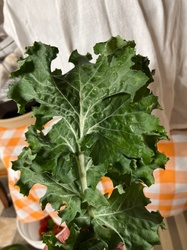
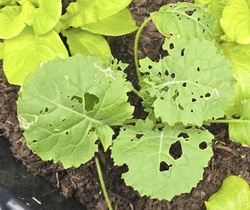
Identify kale (Brassica oleracea var. sabellica/acephala) by its non-heading rosette of curly, frilled, or strap-like blue-green leaves on a sturdy stem.
Read the full Kale encyclopedia entry →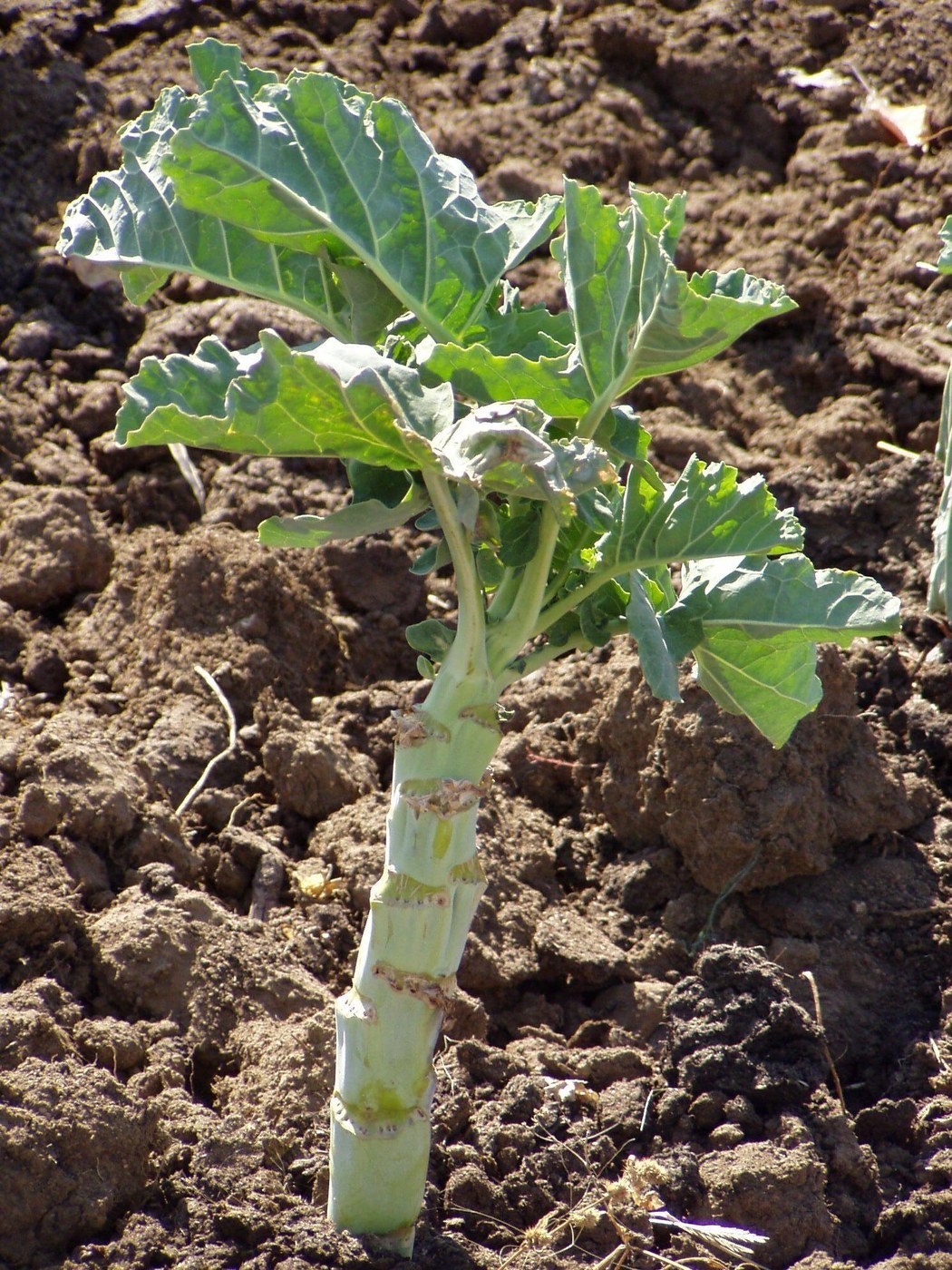
Key Identifying Features
Kale (Brassica oleracea var. sabellica / acephala) is a hardy cool-season member of the cabbage family (Brassicaceae). Its defining trait is a non-heading rosette of large, textured leaves — curly, frilled, bumpy, or strap-like — growing along a thick upright stem, in shades of blue-green, gray-green, or purple. Like all brassicas, it has a cabbage smell and four-petaled yellow flowers if it bolts.
Leaves & Stems
- Leaves do NOT form a head (acephala = "without a head"); they grow loosely from a central stalk.
- Foliage is large, thick, and heavily textured: tightly curled and frilled (curly kale), deeply puckered and blistered with narrow strap leaves (Lacinato/dinosaur kale), or broad and flat (Siberian/Red Russian).
- Color ranges from deep blue-green and gray-green to purple-red, often with a waxy bloom.
- As lower leaves are picked, kale develops a palm-tree-like bare stalk with a tuft of leaves on top.
Flowers & Fruit
- In its second year or when bolting, kale sends up branched stalks of small bright-yellow four-petaled flowers in the classic cross arrangement.
- Flowers give way to slender seed pods (siliques) typical of the mustard family.
How to Tell It Apart from Look-Alikes
- Collard greens (B. oleracea var. viridis): very close relative, but leaves are broad, flat, and smooth with a paddle shape; kale (except flat types) is curlier and more textured.
- Cabbage: forms a dense solid head; kale stays open and leafy.
- Mustard greens (Brassica juncea): thinner, often ruffled leaves with a sharp peppery bite and lighter green color.
- Ornamental/flowering kale: same species with brightly colored centers, grown for show.
Where You'll Find It
Kale is a cold-tolerant garden green grown in beds, rows, and containers, often sweetened by frost. It thrives in cool spring and fall and overwinters in mild climates. Look for upright, leafy stalks topped with curled or strappy blue-green leaves in vegetable gardens and ornamental plantings.
Quick ID Checklist
- Open rosette of leaves, no head
- Thick upright central stalk
- Curly, frilled, blistered, or strap-shaped leaves
- Blue-green, gray-green, or purple color with waxy bloom
- Cabbage smell; yellow four-petaled flowers if bolted
- Palm-like bare stem as lower leaves are harvested
Frequently asked questions
What is the difference between kale and collard greens?
They are the same species but different varieties. Kale leaves are usually curly, frilled, or heavily textured, while collards have broad, flat, smooth, paddle-shaped leaves. Both grow as open, non-heading rosettes on a stalk.
How do I tell kale from cabbage?
Cabbage wraps its leaves into a dense solid head, whereas kale never forms a head — its name acephala means headless. Kale leaves stay open and loosely arranged along an upright stem.
Why does my kale look like a small palm tree?
As you harvest the lower leaves, the stalk lengthens and stays bare while a tuft of new leaves remains at the top. This palm-like form is normal and a recognizable trait of mature kale.
Is dinosaur (Lacinato) kale a different plant?
No, it is just a variety of the same species. It has long, narrow, deeply puckered blue-green strap leaves rather than tight curls, but it shares the headless rosette and brassica traits.
Kale identified by the community
Recent Kale specimens identified with Plant Identifier.