Kwanzan Cherry Identification Guide
Identify the Kwanzan cherry (Prunus 'Kanzan') by its showy double, deep-pink pom-pom flowers, upright vase shape, and bronze new foliage.
Read the full Kwanzan Cherry encyclopedia entry →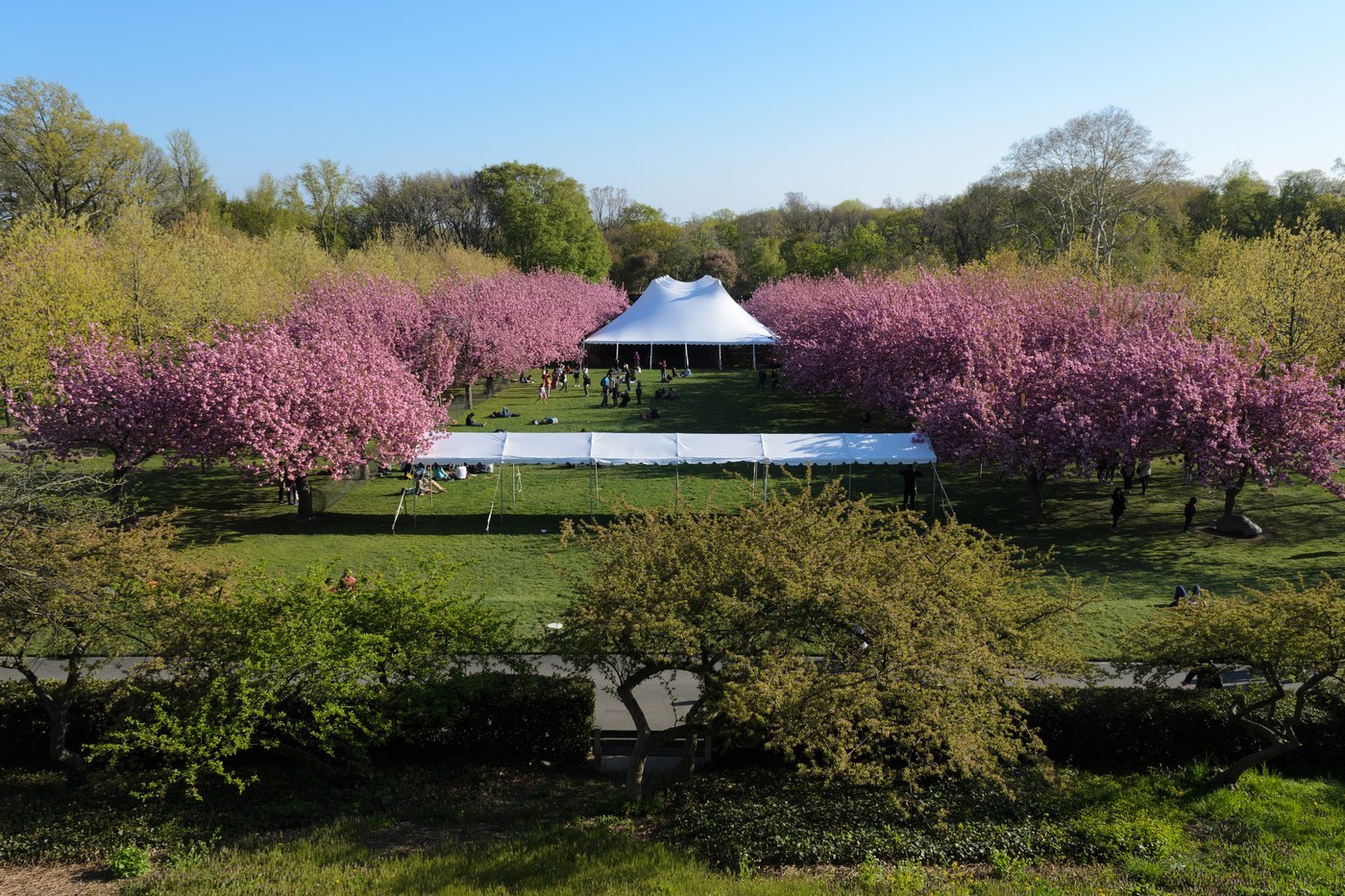
Key Identifying Features
The Kwanzan cherry (Prunus serrulata 'Kanzan', also spelled 'Kwanzan' or 'Sekiyama') is the most popular double-flowered ornamental cherry. Its signature is dense, deep-pink, pom-pom blossoms packed with petals, blooming a bit later than single cherries.
- Size & form: 25–35 ft tall, with a distinctive upright, stiffly vase-shaped crown when young that broadens and becomes umbrella-like with age.
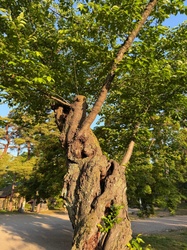
- Bark: Reddish-brown to chestnut, smooth, with horizontal lenticel bands typical of cherries.
Leaves & Stems
Leaves are simple, alternate, oval with sharply serrated margins and a tapering tip, 3–5 inches long. A standout feature: new leaves emerge coppery-bronze or reddish and provide a warm backdrop to the pink flowers, maturing to glossy green and turning orange-bronze in fall. Small glands often sit at the leaf base.
Flowers & Fruit
- Flowers (mid–late spring): Large, fully double blossoms with 20–30+ petals, about 2–2.5 inches across, in a rich deep rose-pink, hanging in heavy clusters. The dense ruffled pom-pom look is the defining trait. Because the flowers are double (sterile, with petals replacing reproductive parts), they last longer than single cherries.
- Fruit: Essentially fruitless—the double flowers rarely set fruit, so you won't find cherries. This absence is itself a useful ID clue.
How to Tell It Apart from Look-Alikes
- Yoshino cherry (P. × yedoensis): Single, pale pink-to-white flowers and a broad spreading habit—the opposite of Kwanzan's deep-pink double pom-poms and upright vase form.
- Other double cherries (e.g., 'Pink Perfection'): Similar but usually paler or smaller; Kwanzan is the deepest pink and most robust.
- Crabapple (Malus): Produces real fruit and has scaly bark.
- Flowering plum (Prunus cerasifera): Often single flowers and purple foliage all season.
- Diagnostic: deep-pink double pom-pom flowers + bronze new leaves + upright vase shape + no fruit.
Where You'll Find It
A Japanese cultivar of immense popularity, the Kwanzan cherry lines streets, parks, and gardens across temperate North America, Europe, and Asia (USDA 5–9). About 70% of D.C.'s flowering cherries are a mix that includes Kwanzan. It prefers full sun and well-drained soil and blooms after the Yoshinos.
Quick ID Checklist
- Medium tree, stiff upright vase shape when young
- Double, deep-pink pom-pom flowers (20–30+ petals)
- Bronze/coppery new leaves; toothed oval foliage
- Cherry bark with horizontal lenticels
- Produces little or no fruit
Frequently asked questions
Why doesn't my Kwanzan cherry produce cherries?
Kwanzan flowers are fully double, meaning extra petals replace the reproductive structures, so the tree is essentially sterile and rarely sets fruit. It's grown purely for its dramatic blossoms.
What makes Kwanzan flowers look so full?
Each blossom has 20 to 30 or more petals packed together, creating a ruffled pom-pom or carnation-like look in deep rose-pink, much fuller than single-flowered cherries.
How do I distinguish Kwanzan from Yoshino cherry?
Kwanzan has deep-pink double pom-pom flowers, bronze new leaves, and an upright vase shape. Yoshino has single, pale pink-to-white flowers and a wide, gracefully spreading crown, and it blooms earlier.
When does the Kwanzan cherry bloom?
It blooms in mid to late spring, generally a week or two after single-flowered cherries like Yoshino, extending the cherry-blossom season.
Kwanzan Cherry identified by the community
Recent Kwanzan Cherry specimens identified with Plant Identifier.