Kwanzan Cherry
Prunus serrulata 'Kanzan'
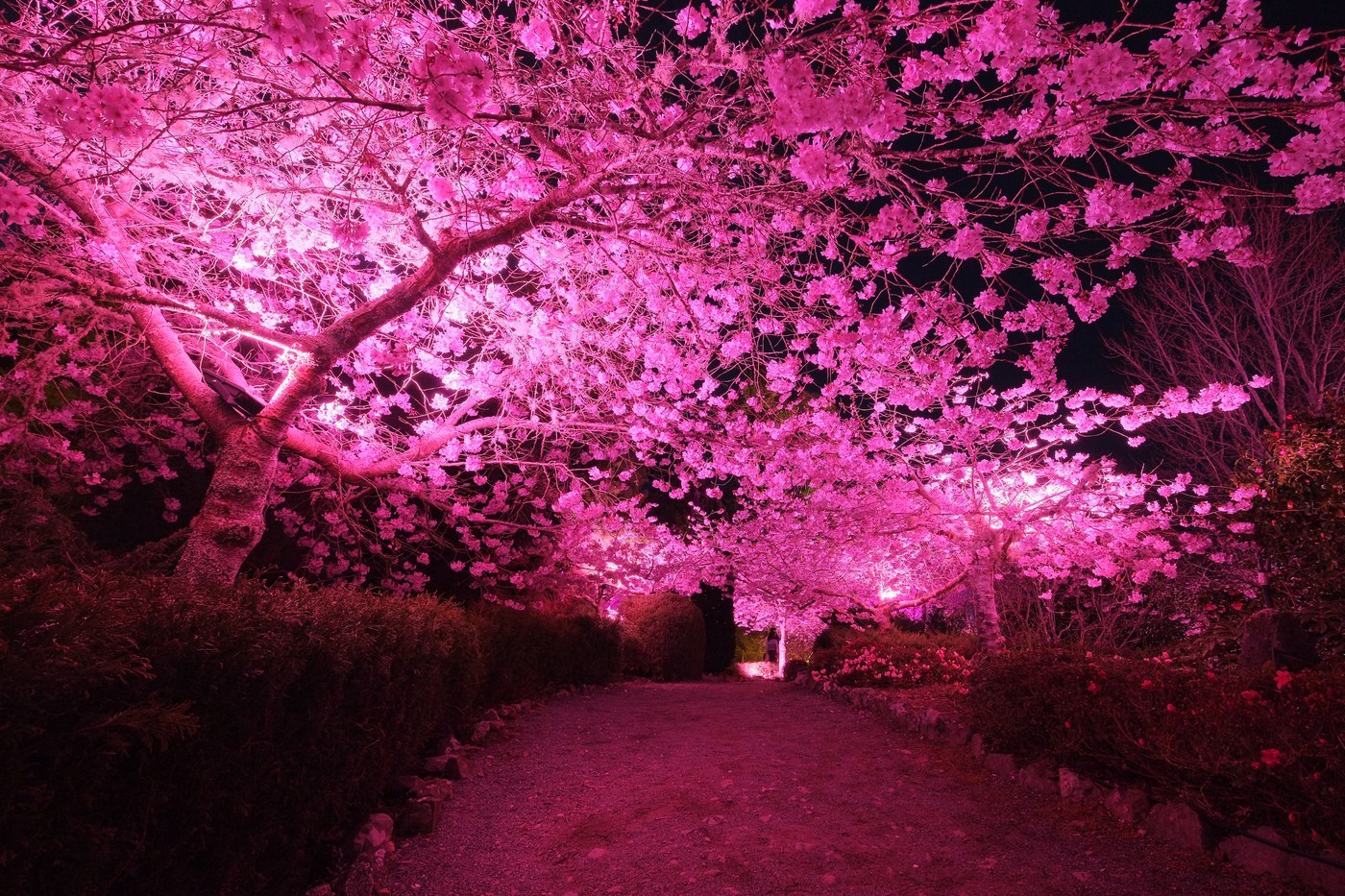
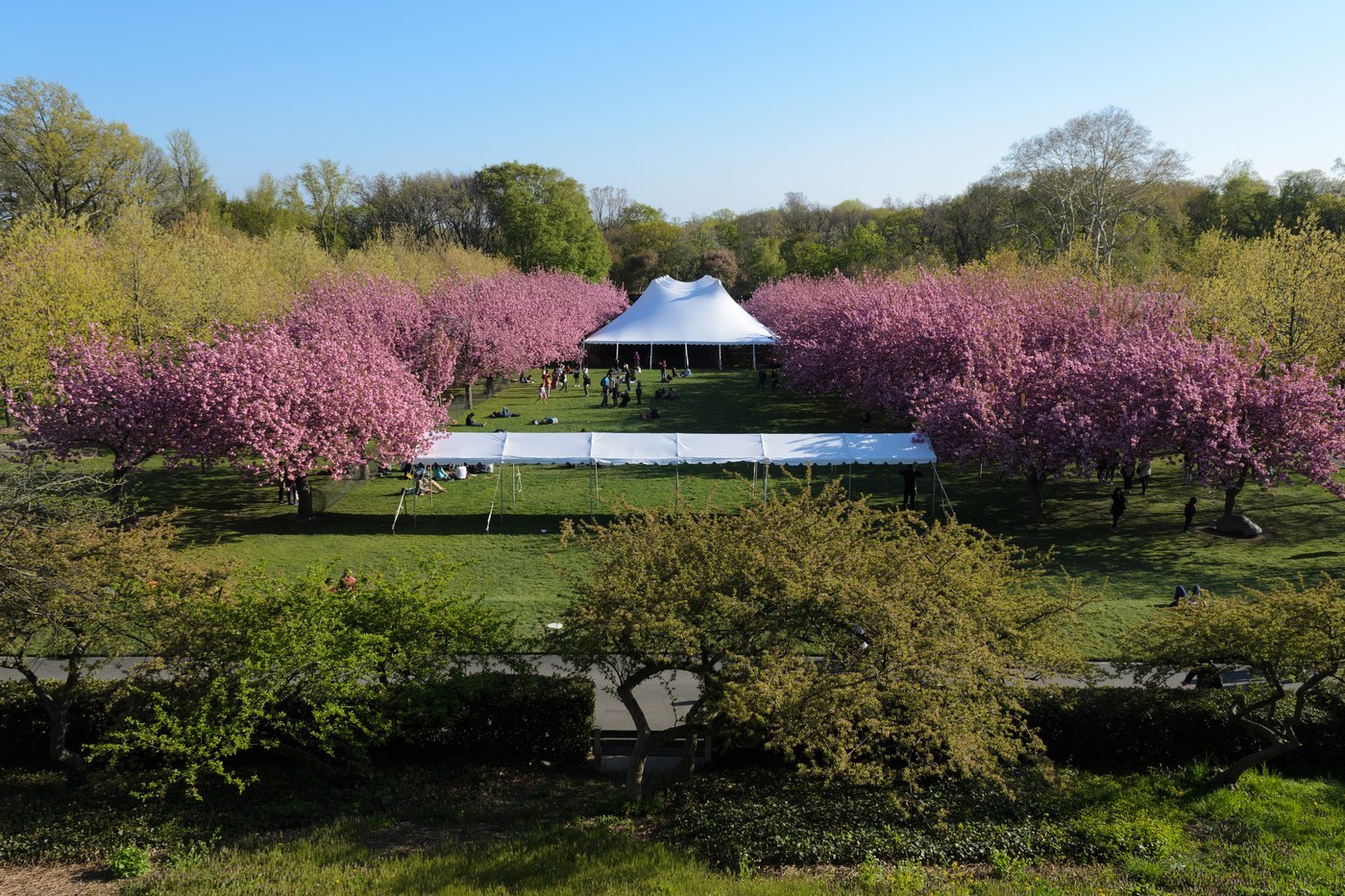
A flowering cherry prized for its showy, fully double, deep-pink pompom blossoms in mid-spring. Its upright vase shape and dense blooms make it a popular street and lawn tree.
- Light
- Full sun
- Water
- Moderate; keep evenly moist
- Difficulty
- Moderate
Got a plant like this?
Identify any plant from a photo, free.
Overview
The Kwanzan cherry (also spelled Kanzan), Prunus serrulata 'Kanzan', is one of the most popular double-flowered ornamental cherries. Each blossom is packed with 20-30 petals, creating large, deep-pink pompom-like flowers that appear in dense clusters in mid-spring, slightly later than single-flowered cherries like the Yoshino.
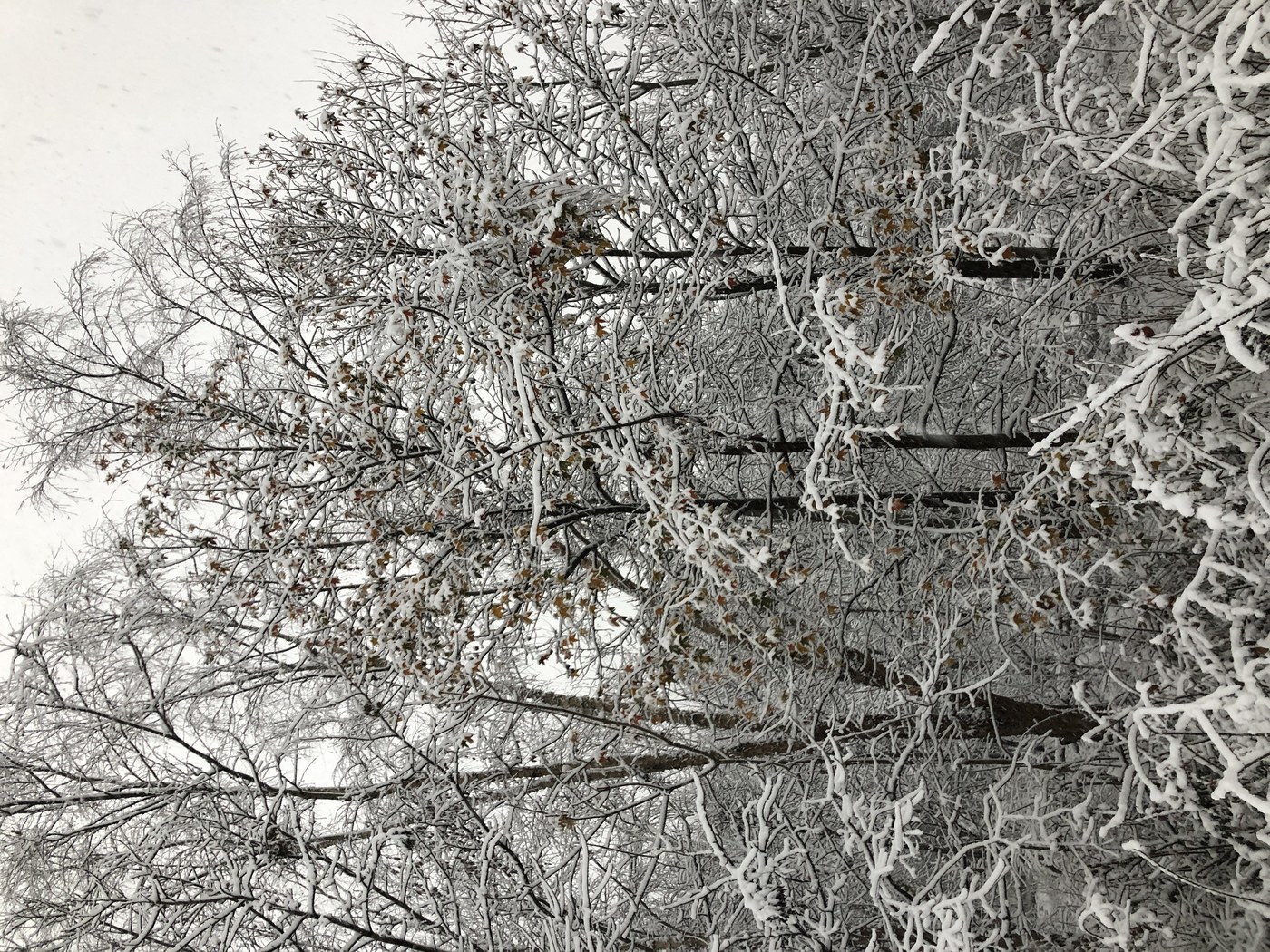
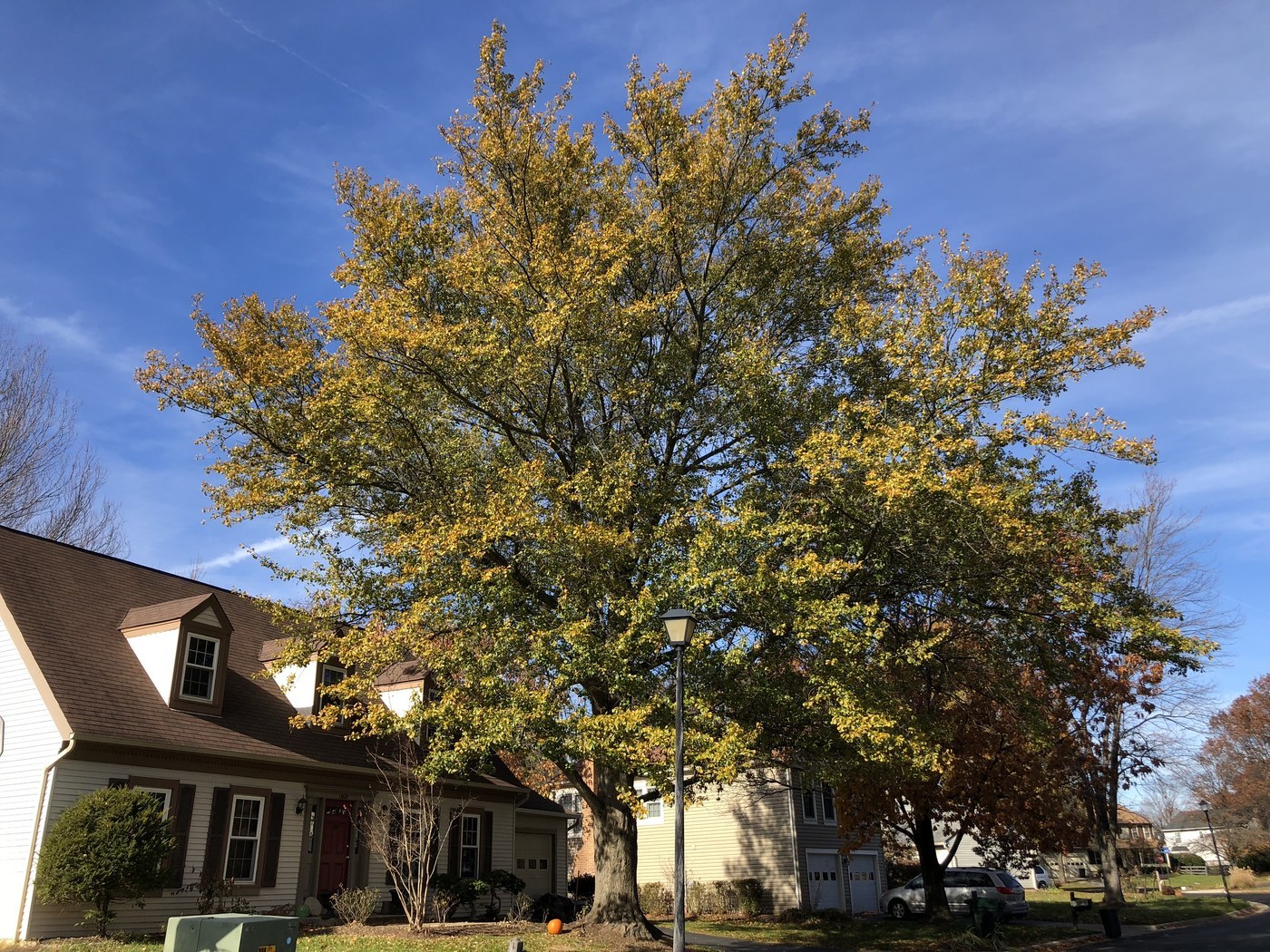
The tree has a distinctive upright, vase-shaped crown when young that broadens with age, reaching about 25-30 ft (7.5-9 m) tall and wide.
Because the flowers are sterile doubles, the tree sets little or no fruit, keeping it tidy. New leaves emerge coppery-bronze and fall color is orange to bronze.
How to identify it
- Flowers: Large, fully double pompom blooms with 20-30 petals, deep rose-pink, in heavy hanging clusters in mid-spring
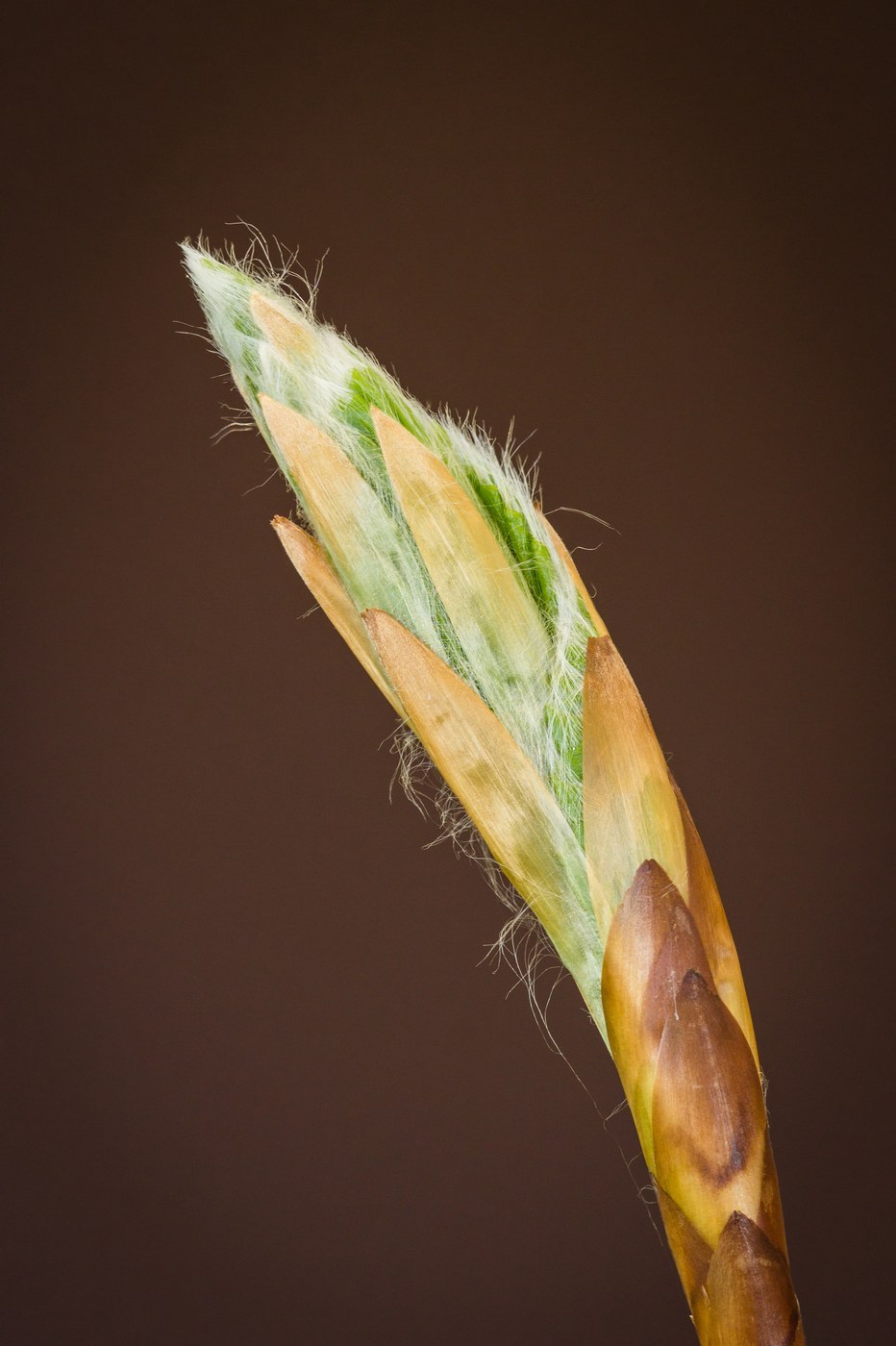
- Leaves: Oval, toothed, emerging bronze-copper then turning green; orange-bronze in fall
- Habit: Upright vase shape in youth, broadening to a rounded crown, 25-30 ft
- Fruit: Essentially fruitless, as the double flowers are sterile
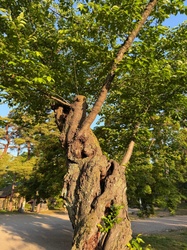
- Bark: Reddish-brown with horizontal lenticels
Care & growing
Light: Full sun for the densest, most vivid flowering.
Water: Maintain even moisture, particularly in the first few years and during drought.
Soil: Fertile, moist, well-drained soil; tolerates a range of pH but prefers slightly acidic.
Temperature: Hardy in USDA zones 5-9.
Feeding: Light spring feeding with a balanced fertilizer.
Pruning & propagation: Prune sparingly just after bloom to limit disease entry. Propagated by grafting onto cherry rootstock. Like most ornamental cherries, it is relatively short-lived (15-25+ years).
Habitat & origin
'Kanzan' is a cultivated variety of Prunus serrulata, the Japanese flowering cherry, developed in Japan and grown for centuries as part of the traditional sato-zakura (village cherry) cultivars.
It has no wild habitat of its own but is widely planted across temperate North America, Europe, and Asia as a street tree, lawn specimen, and festival tree, often alongside Yoshino cherries to extend the blossom season.
Frequently asked questions
What is the difference between Kwanzan and Yoshino cherries?
Kwanzan has fully double, deep-pink pompom flowers and an upright vase shape, while Yoshino has single, pale pink-to-white flowers and a spreading habit. Kwanzan also blooms slightly later.
Does the Kwanzan cherry produce fruit?
No, its double flowers are sterile, so it produces little to no fruit, which keeps it clean and tidy.
How long does a Kwanzan cherry live?
Like most ornamental cherries, it is relatively short-lived, typically 15 to 25 years or somewhat more with good care.
When does it bloom?
It blooms in mid-spring, generally a week or two after single-flowered cherries such as the Yoshino.
Kwanzan Cherry guides
In-depth guides for identifying, growing, and caring for Kwanzan Cherry.
How to Care for Kwanzan Cherry
Grow Kwanzan Cherry (Prunus serrulata 'Kanzan'), a showy ornamental flowering tree with double pink spring blossoms.
Kwanzan Cherry Identification Guide
Identify the Kwanzan cherry (Prunus 'Kanzan') by its showy double, deep-pink pom-pom flowers, upright vase shape, and bronze new foliage.
Kwanzan Cherry identified by the community
Real specimens identified with Plant Identifier.