How to Care for Lily
Complete grow guide for Lily (Lilium): planting bulbs, sun and water needs, feeding, and getting big, fragrant blooms year after year.
Read the full Lily encyclopedia entry →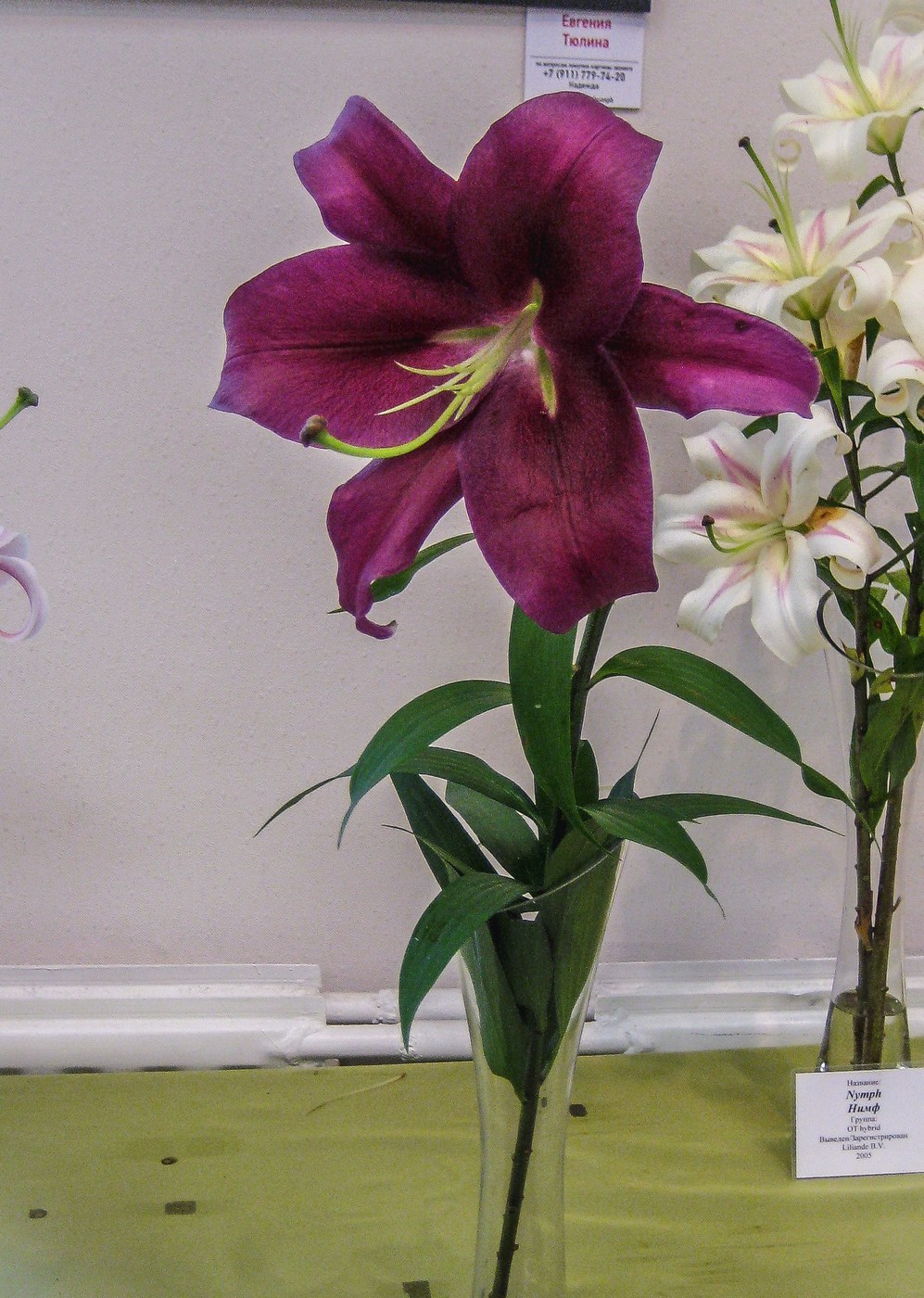
The Lily (Lilium) is a classic bulbous perennial grown for its large, showy, often fragrant flowers on tall, upright stems. With well-drained soil and a sunny spot, true lilies are easy and rewarding, returning and multiplying for many years.
Light
Lilies flower best in full sun to part shade. Aim for at least six hours of direct sun, but appreciate that the ideal is "head in the sun, feet in the shade": bright light on the flowering stems while the bulb zone stays cool and shaded by low neighboring plants or a layer of mulch. Too much shade gives weak stems that lean toward the light and fewer blooms.
Water
Keep the soil evenly moist, especially through spring growth and the flowering period. Water regularly and deeply so moisture reaches the bulb, but never let the bulbs sit in standing water, which causes rot. Reduce watering after the foliage yellows and the plant enters dormancy.
Soil & Potting
Good drainage is the single most important factor. Lilies want a rich, loose, well-drained soil amended with compost. Heavy, waterlogged clay is the main killer of lily bulbs. Plant bulbs pointed end up, roughly three times as deep as the bulb is tall. In containers, use a free-draining potting mix and a deep pot to accommodate the roots and stem-roots that many lilies produce along the buried stem.
Humidity & Temperature
Lilies are cold-hardy perennials that actually need a period of winter chill to bloom well. They tolerate a wide range of summer temperatures and have no special humidity requirements. In very hot climates, afternoon shade and cool, mulched soil help prevent stress.
Feeding
Feed in spring as shoots emerge, using a balanced fertilizer or one slightly higher in potassium to support strong flowering. A second light feeding after blooming helps the bulb rebuild for next year. Avoid heavy nitrogen, which encourages soft, floppy growth at the expense of flowers. A yearly mulch of compost also feeds slowly.
Propagation
Lilies propagate several ways. The easiest is dividing established clumps in autumn, separating the offset bulbs and replanting them. Many lilies also form small bulbils in the leaf axils along the stem or bulblets underground; these can be collected and grown on. Scaling, where individual bulb scales are removed and potted up, produces many new plants over a couple of seasons.
Repotting / Pruning
Divide and replant crowded clumps every few years in autumn to keep blooms large. After flowering, remove only the spent flower heads to prevent seed formation, but leave the stem and leaves in place until they yellow naturally, since the fading foliage feeds the bulb for next year. Cut stems to the ground only once fully brown.
Common Problems & Pests
The most common problem is bulb rot from soggy, poorly drained soil, so prioritize drainage. Aphids can distort new growth and spread viruses, which show as streaked or mottled leaves; remove badly affected plants. The bright red lily beetle and its larvae chew leaves and buds and should be picked off or controlled promptly. Botrytis (gray mold) causes spotted leaves in cool, wet, crowded conditions, so allow airflow.
Seasonal Care Tips
Plant bulbs in autumn or early spring in well-drained soil. Mulch to keep the bulb zone cool. Feed and water steadily through the growing and flowering season. Deadhead spent blooms but leave foliage to ripen. In late autumn, cut down browned stems and refresh mulch to protect bulbs through winter.
Frequently asked questions
How deep should I plant lily bulbs?
Plant bulbs pointed end up at about three times the bulb's height deep in loose, well-drained soil. Deep planting supports the tall stems and lets stem roots develop.
Why isn't my lily blooming?
Common causes are too much shade, poor drainage, immature or overcrowded bulbs, or cutting foliage back too early. Give more sun, divide crowded clumps, and let leaves die back naturally.
Should I cut back lily foliage after flowering?
Remove only the spent flowers to prevent seeding. Leave the stem and leaves until they turn brown, since the fading foliage feeds the bulb for next year's blooms.
How do I get more lilies?
Divide established clumps in autumn and replant the offset bulbs. You can also grow the small bulbils that form along stems or in the soil, or propagate from individual bulb scales.
Can lilies grow in pots?
Yes. Use a deep container with free-draining potting mix, plant bulbs deeply, keep evenly moist, and give full sun to part shade. Divide and refresh every couple of years.
Lily identified by the community
Recent Lily specimens identified with Plant Identifier.