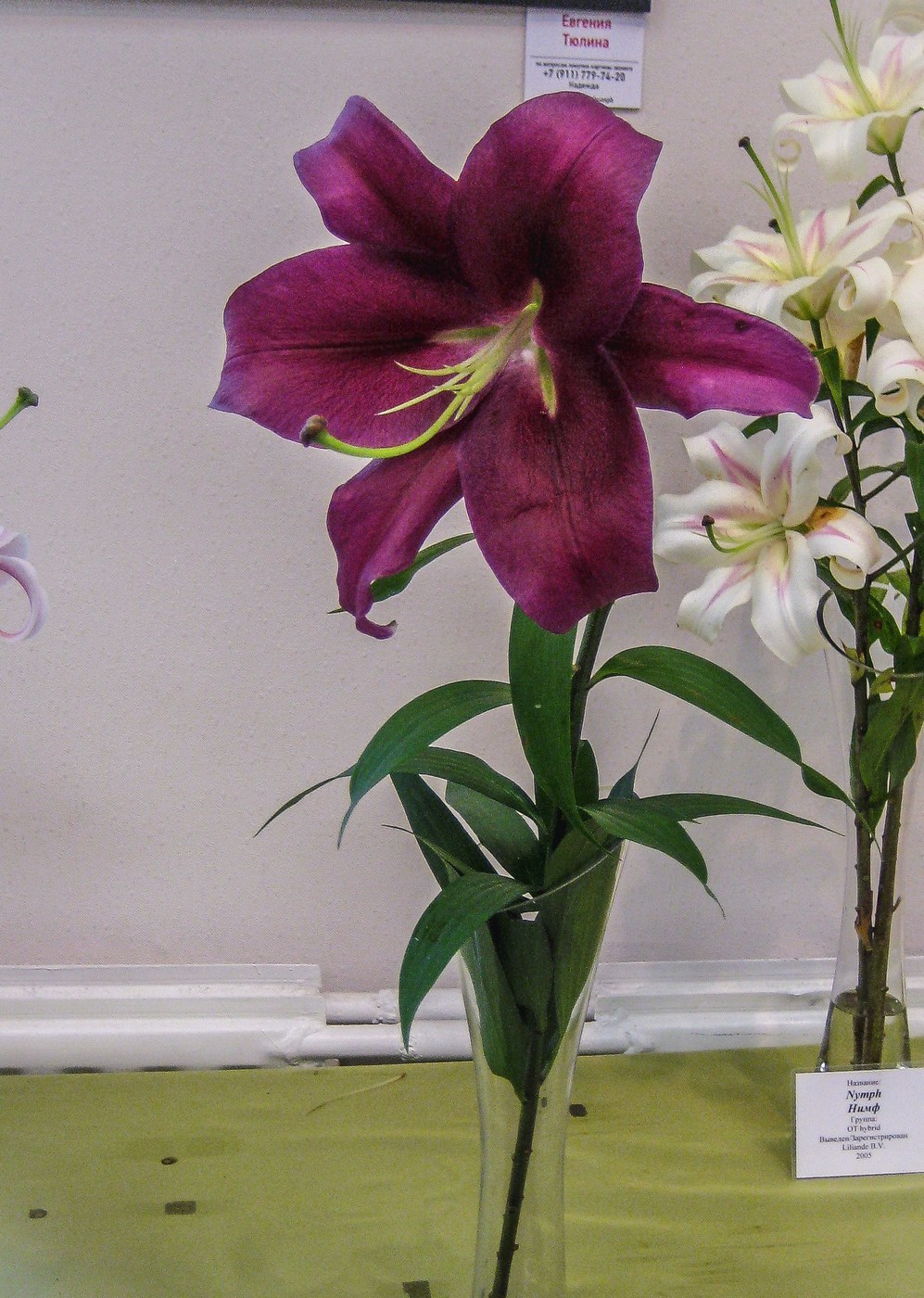
Lily
Lilium
True lilies are summer-blooming bulbs with large, often fragrant, trumpet-shaped flowers on tall stems. They are easy garden perennials prized in borders and as cut flowers.
- Light
- Full sun to part shade
- Water
- Regular; keep evenly moist
- Difficulty
- Easy
Got a plant like this?
Identify any plant from a photo, free.
Overview
True lilies (genus Lilium) are classic perennial bulbs known for showy, six-petaled blooms held atop tall, leafy stems. They should not be confused with daylilies or peace lilies, which belong to other genera.
Popular groups include fragrant Oriental lilies, sturdy unscented Asiatic lilies, and bold trumpet lilies, offering a wide palette of white, pink, orange, red, and yellow.
Valued in borders and as premium cut flowers, lilies bring height, drama, and often powerful fragrance to summer gardens.
How to identify it
Identify a true lily by:
- Flowers: Large blooms with six tepals, often trumpet- or recurved-shaped, with prominent pollen-bearing anthers.
- Stem: A single tall, unbranched, leafy stem typically 2-6 feet tall.
- Leaves: Narrow, lance-shaped leaves arranged along the stem in whorls or spirals.
- Bulb: A scaly bulb (overlapping fleshy scales) lacking a papery outer coat.
- Fragrance: Many types, especially Oriental lilies, are strongly perfumed.
Care & growing
Lilies are low-maintenance perennials in suitable climates.
- Light: Full sun to light shade; they like "head in sun, feet in shade."
- Water: Keep soil evenly moist during the growing season; do not let bulbs dry out completely.
- Soil: Rich, well-drained soil is critical; lily bulbs rot in waterlogged ground.
- Temperature: Hardy in temperate zones; bulbs benefit from winter cold.
- Feeding: Feed with balanced fertilizer in spring as shoots emerge.
- Propagation: Multiply by dividing bulbs, separating bulb scales, or potting up small bulblets that form along the stem.
Habitat & origin
Lilies are native across the temperate Northern Hemisphere, including Europe, Asia, and North America, growing in woodlands, meadows, and mountain slopes.
Asia, especially China, Japan, and Korea, is a center of lily diversity. Today countless hybrids are cultivated worldwide in gardens and commercially for the cut-flower industry, with the Netherlands a major producer.
Frequently asked questions
How are true lilies different from daylilies?
True lilies grow from scaly bulbs with leaves up a single tall stem, while daylilies (Hemerocallis) form grassy clumps and each bloom lasts only a day.
Do lilies come back every year?
Yes, lilies are hardy perennials that return and multiply each year when planted in well-drained soil in a suitable climate.
When do lilies bloom?
Most lilies flower in early to mid-summer, with bloom timing varying by type; staggering Asiatic and Oriental types extends the season.
How do I identify a true lily?
Look for large six-tepaled flowers on a single tall, unbranched leafy stem, narrow lance-shaped leaves, and a scaly bulb without a papery coat.
Lily guides
In-depth guides for identifying, growing, and caring for Lily.
How to Care for Lily
Complete grow guide for Lily (Lilium): planting bulbs, sun and water needs, feeding, and getting big, fragrant blooms year after year.
Lily Identification Guide
Identify true lilies by their tall leafy stems, whorled or spiraled narrow leaves, and large six-tepal trumpet flowers with prominent stamens.
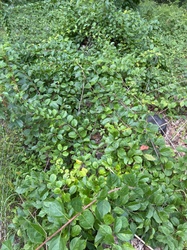
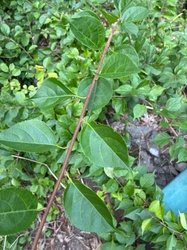
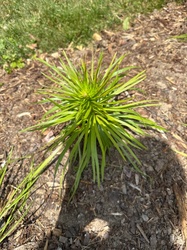
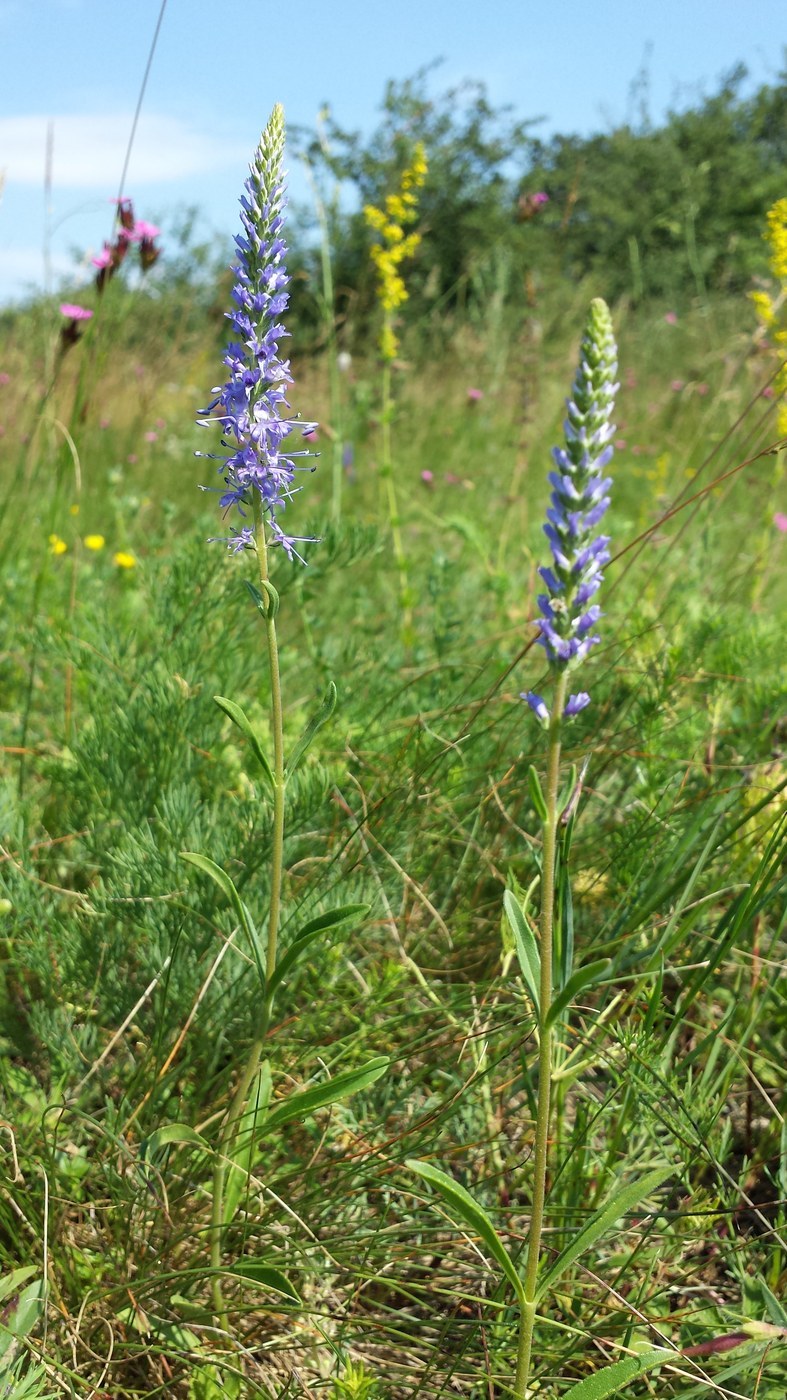
Lily identified by the community
Real specimens identified with Plant Identifier.