Lily Identification Guide
Identify true lilies by their tall leafy stems, whorled or spiraled narrow leaves, and large six-tepal trumpet flowers with prominent stamens.
Read the full Lily encyclopedia entry →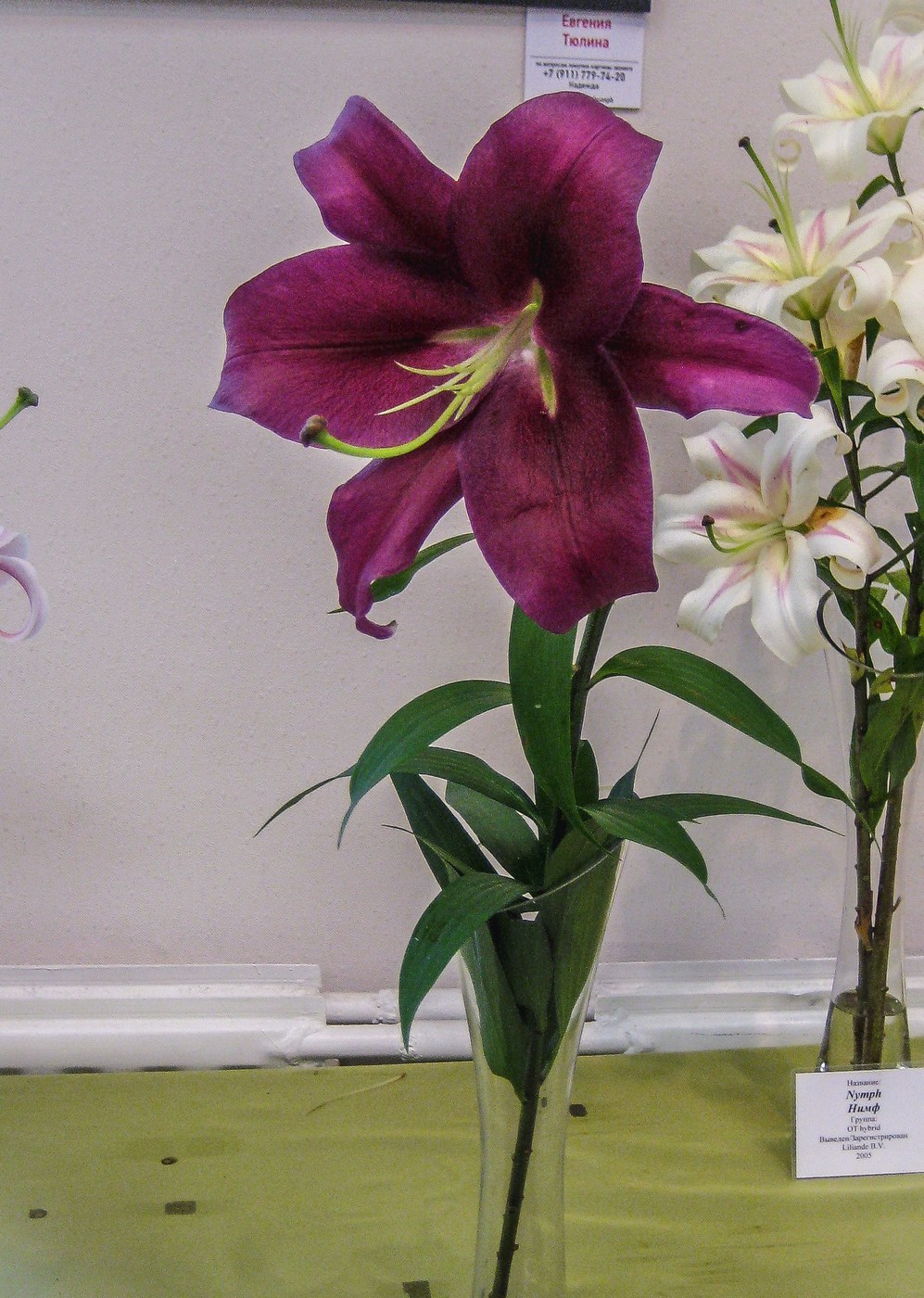
Key Identifying Features
True lilies (Lilium species) are summer-blooming bulbs distinguished by:
- Large, showy flowers with six tepals (three petals and three matching sepals)
- Six long stamens tipped with prominent, often rusty-orange pollen-laden anthers, plus a single slender style
- Flowers shaped as trumpets, bowls, or strongly recurved 'Turk's caps'
- A single tall, unbranched leafy stem rising directly from a scaly bulb
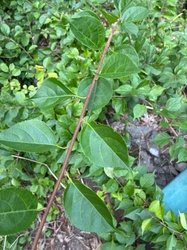
- Narrow leaves arranged in whorls or spirals up the entire stem
Leaves & Stems
Unlike many bulbs, lilies are leafy all the way up the stem, not just at the base. The leaves are lance-shaped to linear, smooth-edged, and have parallel veins. Depending on species they sit in tidy whorls (rings) or scatter spirally along the stalk. Stems are stiff, erect, and usually 0.6-2 m tall. The underground bulb is made of loose, overlapping fleshy scales with no papery tunic, a key trait separating true lilies from tulips and onions.
Flowers & Fruit
Lily flowers are large and often fragrant, borne singly or in a cluster atop the stem. The six tepals may flare into a trumpet (Easter lily), open into a flat star (Oriental lily), or curl fully backward (Tiger and Martagon lilies). Many are spotted or streaked toward the center. The six prominent stamens dangle conspicuous anthers heavy with staining pollen. After bloom, an erect three-parted capsule forms and splits to release flat, stacked seeds. Bloom season runs early to late summer.
How to Tell It Apart from Look-Alikes
- Daylilies (Hemerocallis) are not true lilies: their leaves are all basal and grass-like, each flower lasts a single day, and they grow from fleshy roots, not scaly bulbs.
- Tulips are spring-blooming, shorter, with few basal leaves and no leafy upper stem.
- Amaryllis and crinums have hollow leafless flower stalks.
- The reliable lily signature is a leafy stem topped by six-tepal flowers with six big stamens, arising from a scaly bulb.
Where You'll Find It
Lilies grow in gardens and borders worldwide and occur wild across the Northern Hemisphere in woodland edges, meadows, and mountain slopes. They prefer full sun to part shade and rich, well-drained soil with cool roots.
Quick ID Checklist
- Tall unbranched stem leafy from bottom to top
- Narrow leaves in whorls or spirals
- Large six-tepal flowers (trumpet, bowl, or recurved)
- Six prominent stamens with heavy pollen-laden anthers
- Scaly bulb without a papery skin
- Blooms in summer
A leafy stem crowned with bold six-tepal flowers and dangling stamens, rising from a scaly bulb, marks a true lily.
Frequently asked questions
Is a daylily a true lily?
No. Despite the name, daylilies (Hemerocallis) have basal grass-like leaves, blooms that last only one day, and fleshy roots rather than the scaly bulb and leafy stem of a true Lilium.
How do I tell a lily from a tulip?
Lilies are taller, leafy all the way up the stem, and bloom in summer with prominent stamens. Tulips are spring bloomers with just a few waxy basal leaves and a bare stem below the cup flower.
Why does lily pollen stain everything orange?
Lily anthers carry large amounts of rusty-colored pollen that clings to fabric and skin. Many people pinch off the anthers from cut lilies to avoid stains.
What shape are lily flowers?
Three main forms exist: upward-facing trumpets or bowls, outward-facing flat stars, and downward-facing recurved 'Turk's cap' flowers with tepals curled fully backward.
Lily identified by the community
Recent Lily specimens identified with Plant Identifier.