How to Care for Liquidambar
Grow the American sweetgum for spectacular fall color with full sun, moist soil, and room for a large shade tree to develop.
Read the full Liquidambar encyclopedia entry →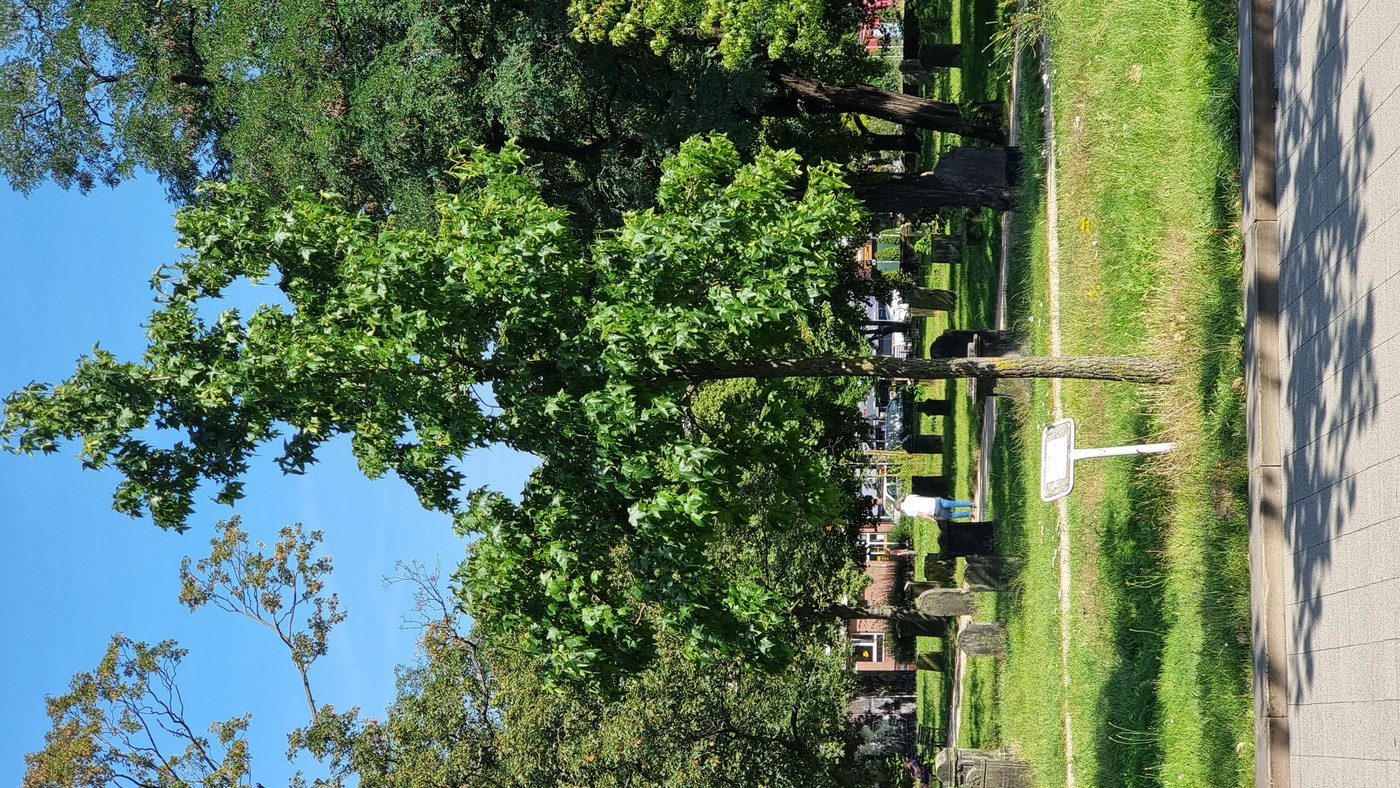
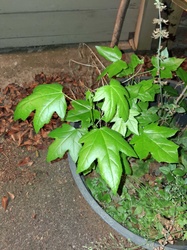
Liquidambar (Liquidambar styraciflua), the American sweetgum, is a fast-growing deciduous shade tree prized for its star-shaped leaves and brilliant autumn color that ranges through yellow, orange, red, and deep purple. It is an easy, adaptable tree for large landscapes that reward it with plenty of sun and space.
Light
Plant Liquidambar in full sun for the strongest growth and most vivid fall color. It tolerates light or partial shade but becomes lankier and the autumn display is muted. Choose an open site where the canopy can spread without crowding buildings or power lines, as mature trees reach considerable height and width.
Water
Provide moderate, regular water, especially for the first few years while the tree establishes. Liquidambar prefers consistently moist soil and tolerates occasional wet or even briefly flooded ground, reflecting its native bottomland habitat. Once established, it handles average rainfall in most climates but benefits from deep watering during prolonged drought or extreme heat. Water deeply and infrequently rather than shallow sprinklings to encourage deep roots.
Soil & Potting
This tree grows best in deep, moist, slightly acidic soil rich in organic matter. Acidic conditions bring out the best fall color; in alkaline soil the leaves can show chlorosis (yellowing between the veins). It adapts to clay and loam as long as drainage is reasonable. Give it a large planting hole, loosen surrounding soil, and mulch over the root zone to conserve moisture and moderate soil temperature.
Humidity & Temperature
Liquidambar is a hardy landscape tree suited to temperate climates, generally USDA zones 5-9. It handles summer heat and humidity well and needs a cold winter dormancy. Young trees can be sensitive to hard late frosts on new growth, but established specimens are robust across a wide temperature range.
Feeding
Established sweetgums in reasonable soil need little feeding. For young trees, or where growth is poor, apply a balanced slow-release tree fertilizer in early spring. Avoid heavy nitrogen, which pushes soft growth at the expense of strength. A yearly topdressing of compost and maintained mulch layer usually supplies what the tree needs.
Propagation
Liquidambar is grown from seed collected from the spiky round seed capsules, which requires a period of cold stratification to germinate. Named cultivars are propagated by grafting or from softwood or hardwood cuttings to preserve their particular fall color or form, as seedlings vary widely.
Repotting / Pruning
As a landscape tree, Liquidambar needs no repotting once planted, so choose the site carefully since it resents transplanting when large. Prune in late winter while dormant to establish a strong central leader and well-spaced branches, and to remove dead, crossing, or damaged wood. Minimal structural pruning early on prevents weak forks later. Avoid heavy topping.
Common Problems & Pests
Liquidambar is relatively trouble-free. The spiny seed balls it drops are a maintenance nuisance on lawns and paths; fruitless or low-fruiting cultivars avoid this. Watch for iron chlorosis in alkaline soils, treated by acidifying the soil or applying chelated iron. Occasional pests include bagworms, tent caterpillars, scale, and borers on stressed trees, plus cankers and leaf spot fungi in wet seasons. The surface roots can lift pavement, so plant away from sidewalks and foundations.
Seasonal Care Tips
Plant in autumn or early spring while dormant. Water regularly through the first summers to establish deep roots. Enjoy the signature fall color, then rake up leaves and seed balls after drop. Prune in late winter during dormancy. Refresh mulch in spring, keeping it a few inches away from the trunk.
Frequently asked questions
How big does a Liquidambar tree get?
American sweetgum is a large shade tree that can reach 60-75 feet tall with a spread of 40-50 feet at maturity, though it stays smaller in confined or drier sites. Give it plenty of open space away from buildings, pavement, and overhead lines.
Why isn't my Liquidambar showing good fall color?
Fall color is strongest in full sun and slightly acidic soil, and depends on the seasonal weather (sunny days and cool nights intensify the pigments). Trees in shade or alkaline soil, or in warm autumns, show muted color. Seedling trees also vary genetically, while named cultivars are selected for reliable color.
How do I deal with the spiky seed balls?
The round spiky capsules drop through fall and winter and can be a lawn nuisance. Rake or blow them up regularly, or plant a low-fruiting or fruitless cultivar if you are choosing a new tree and want to avoid the cleanup entirely.
How much water does a young Liquidambar need?
Water young trees deeply and regularly for the first two to three years to keep the soil evenly moist while roots establish. After that they tolerate average rainfall but appreciate deep watering during extended drought or heat.
Liquidambar identified by the community
Recent Liquidambar specimens identified with Plant Identifier.