Liquidambar
Liquidambar styraciflua
A large deciduous shade tree known for its star-shaped leaves that blaze red, purple, and orange in autumn, and its spiky round seed balls. It is a classic American street and park tree.
- Light
- Full sun
- Water
- Moderate; prefers moist soil
- Difficulty
- Easy
Got a plant like this?
Identify any plant from a photo, free.
Overview
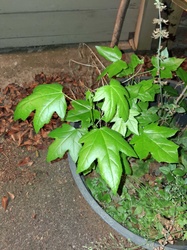
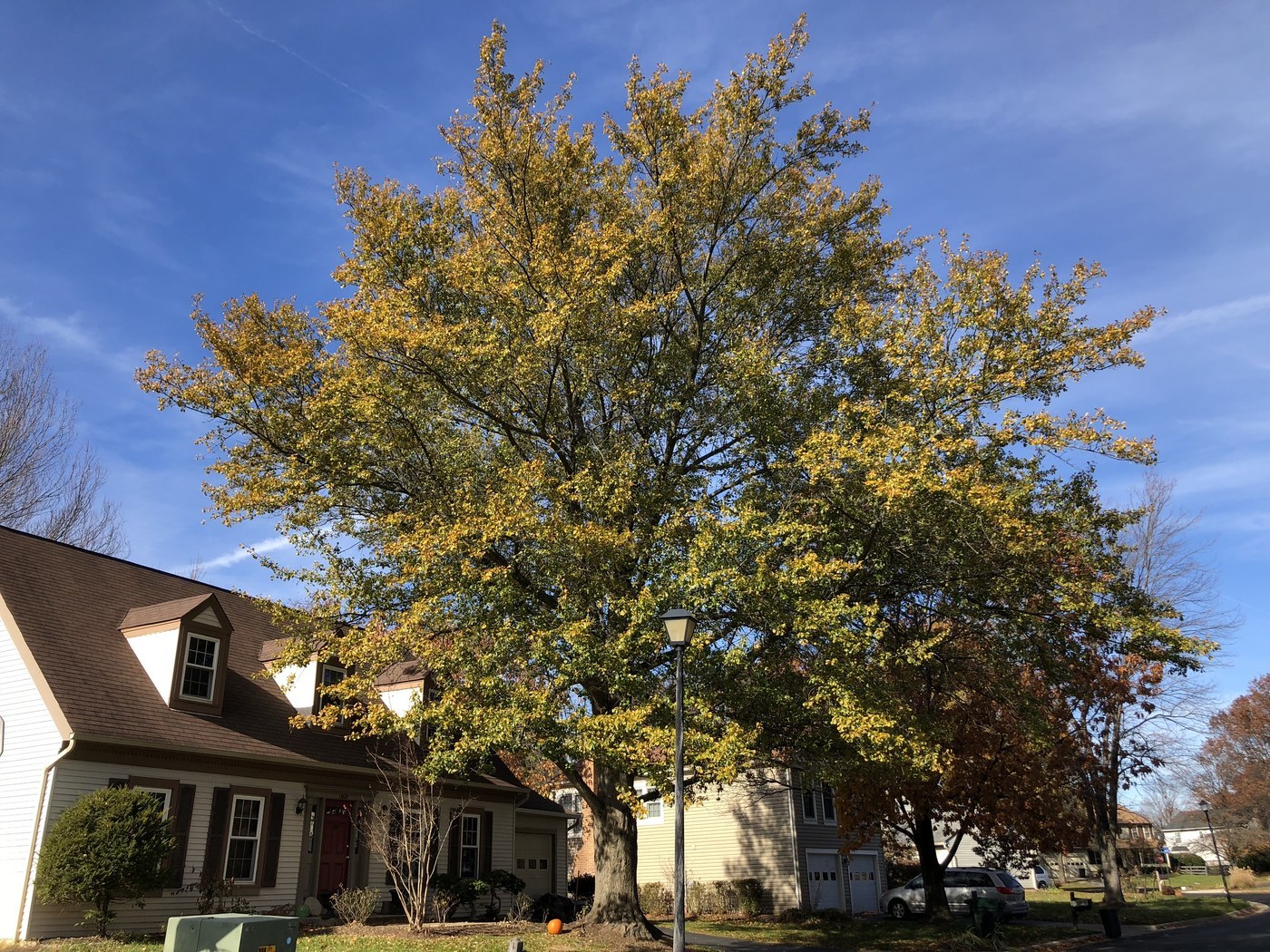
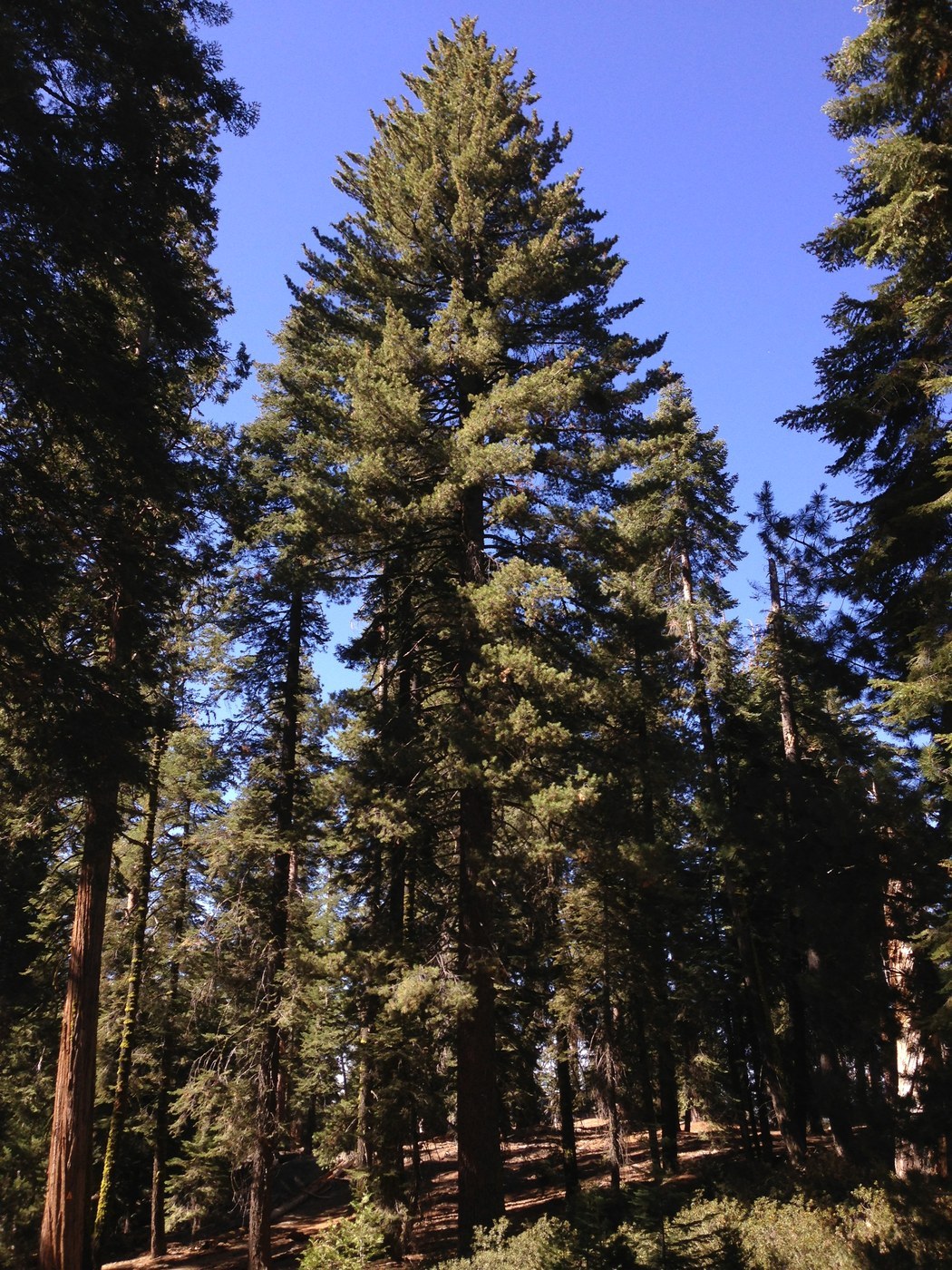
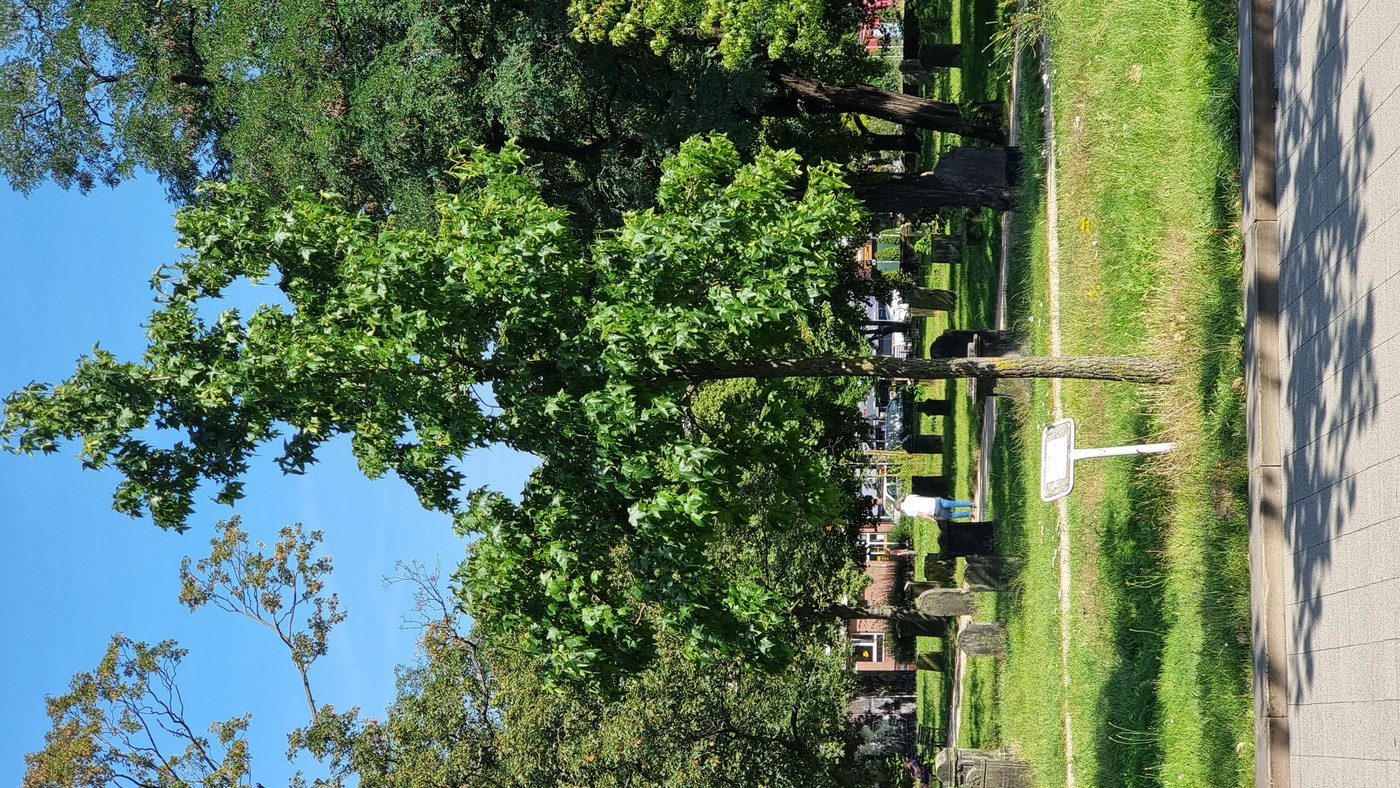
Liquidambar, commonly the American sweetgum (Liquidambar styraciflua), is a large deciduous tree grown chiefly for its outstanding fall color. Its distinctive five- to seven-pointed star-shaped leaves turn brilliant shades of yellow, orange, red, and deep purple in autumn, often all on the same tree.
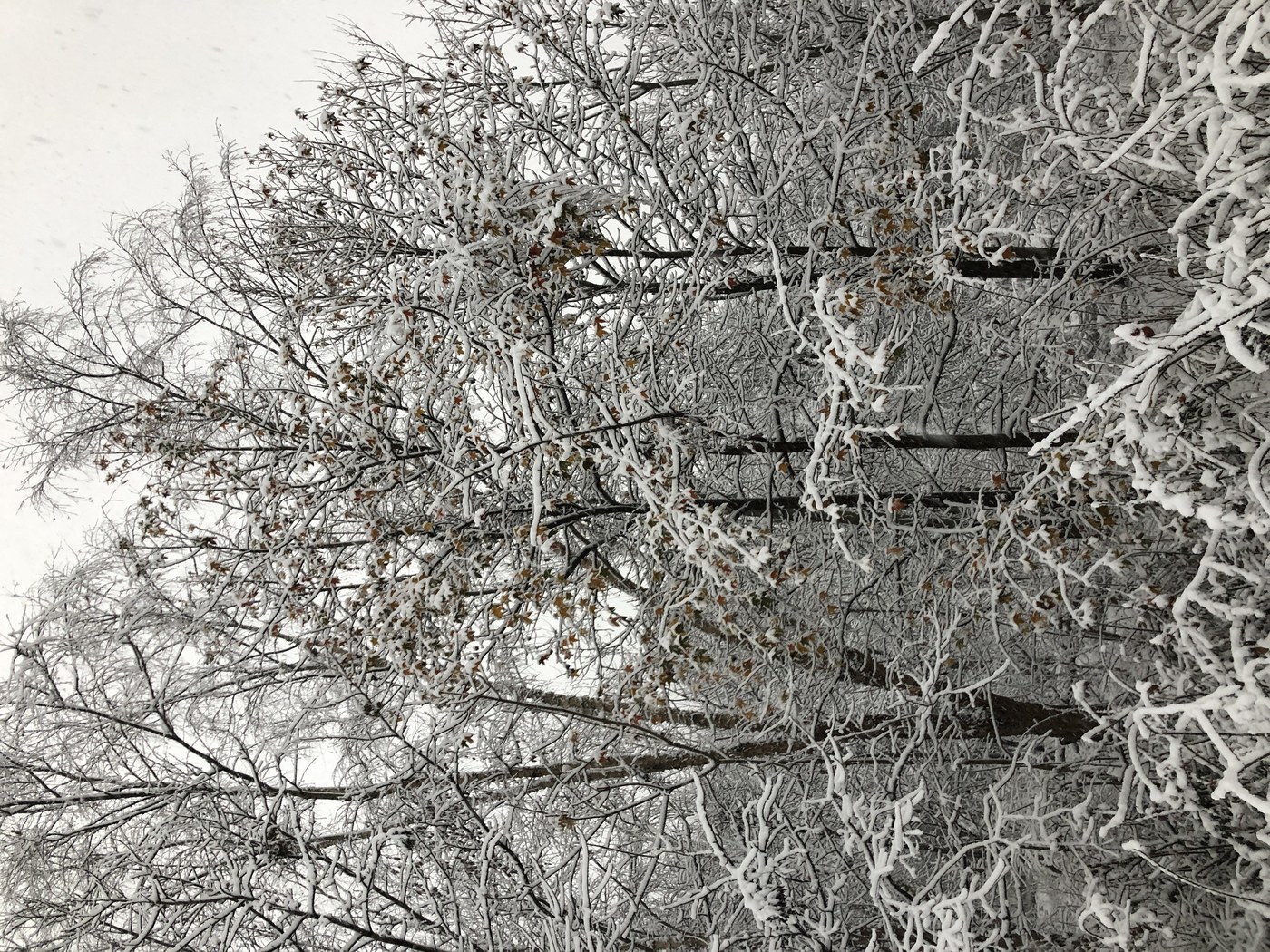
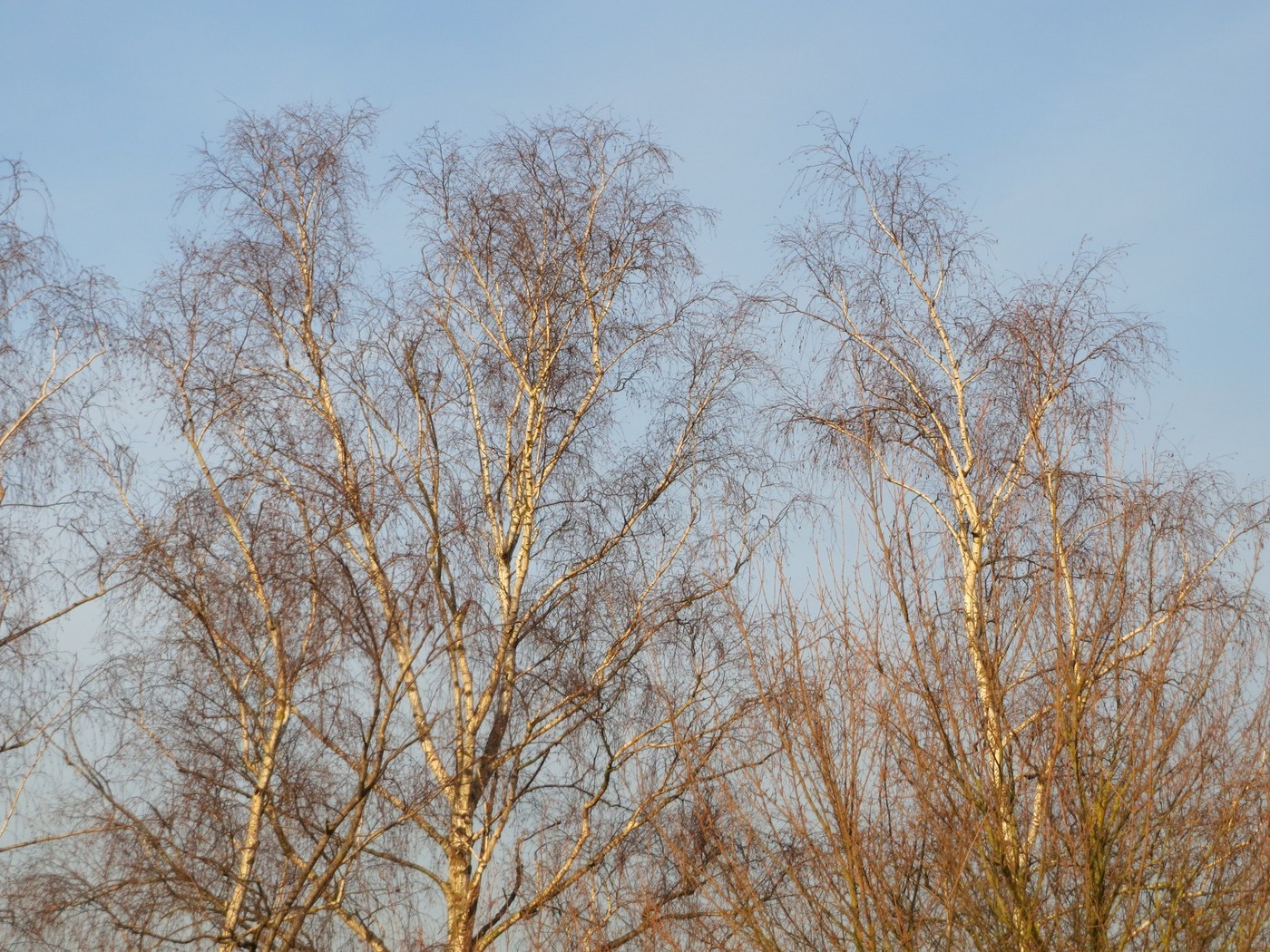
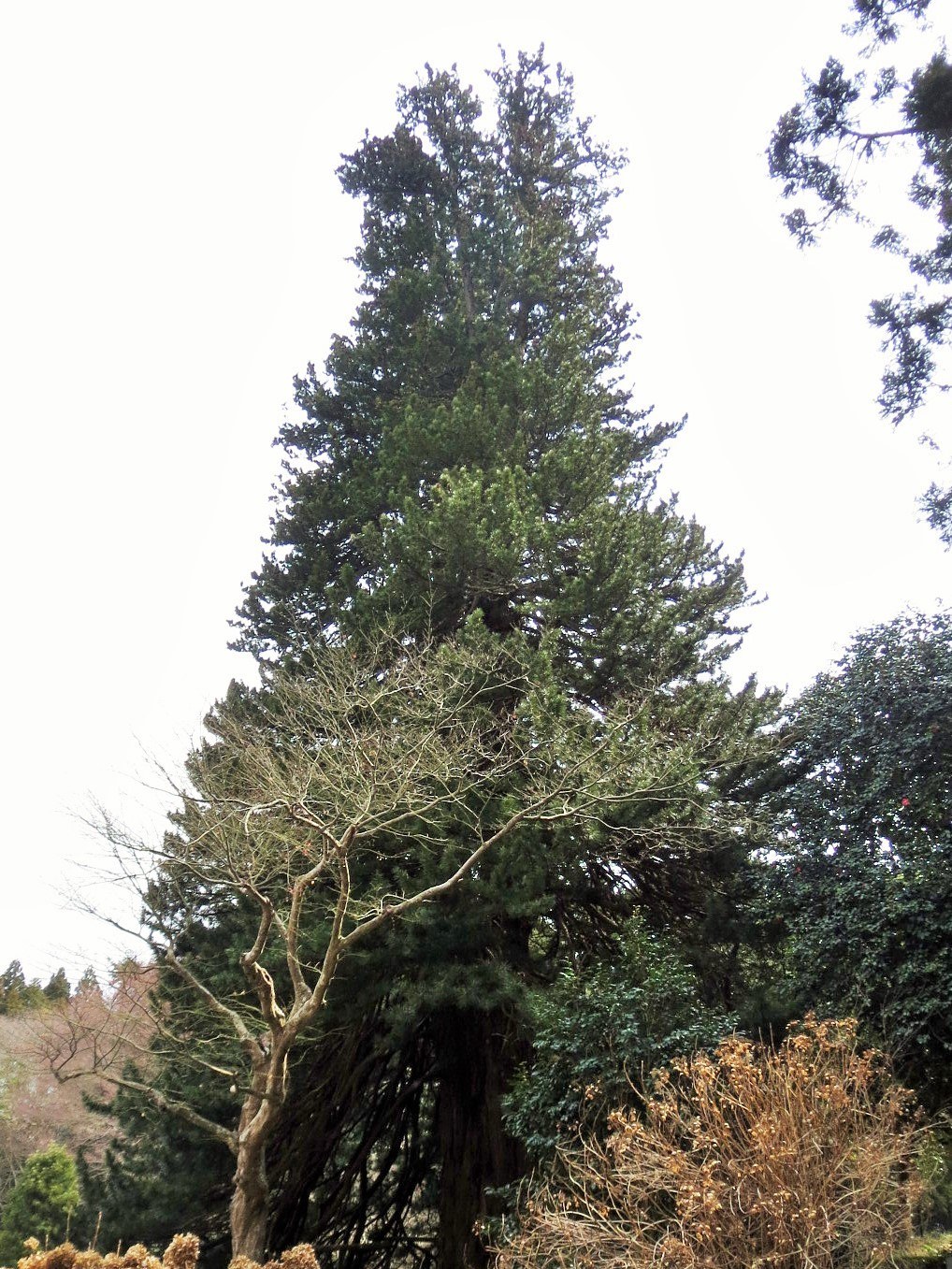
It is a fast-growing, pyramidal-to-rounded tree reaching 60-75 ft (18-23 m) or more. The bark is deeply furrowed, and twigs often develop corky ridges.
The tree's most notorious feature is its hard, spiky, ball-shaped seed capsules ("gumballs") that drop in fall and winter and can be a nuisance underfoot.
How to identify it
- Leaves: Glossy, star-shaped (palmate) leaves with 5-7 pointed lobes, aromatic when crushed; spectacular multicolored fall color
- Fruit: Hard, spiky, round seed balls about 1-1.5 in (3-4 cm) that persist and drop in fall and winter
- Habit: Large pyramidal tree when young, becoming rounded, 60-75 ft tall
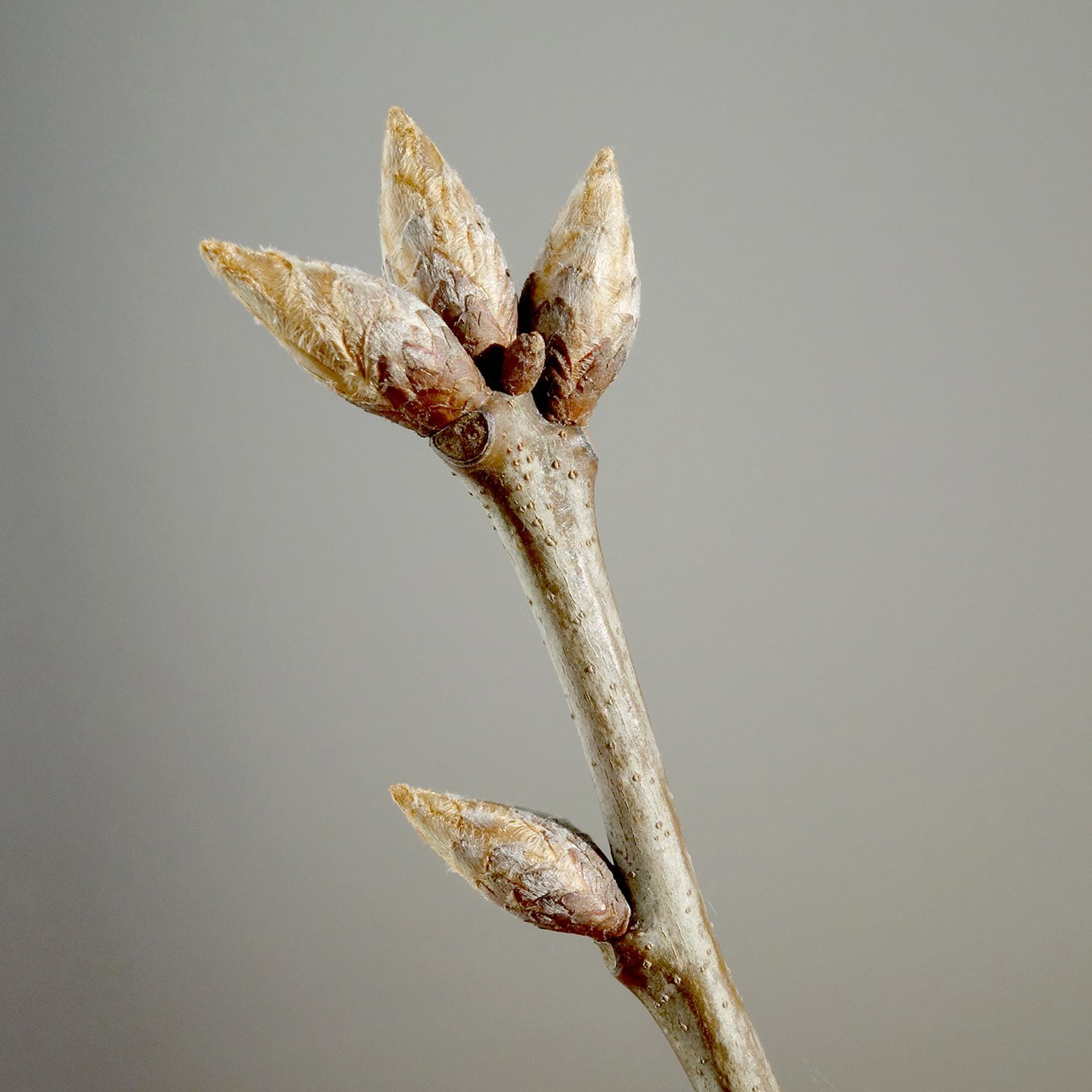
- Bark: Gray-brown, deeply furrowed; young twigs often have corky wings
- Sap: Yields a fragrant resin (storax)
Care & growing
Light: Full sun for the best fall color and form.
Water: Prefers moist soils and tolerates occasional wet conditions; water during drought.
Soil: Best in deep, moist, slightly acidic soil; can develop chlorosis (yellowing) in high-pH soils.
Temperature: Hardy in USDA zones 5-9.
Feeding: Generally low needs; feed lightly if growth is poor.
Pruning & propagation: Prune in winter to establish a single strong leader. Propagate by seed (with stratification) or cuttings. Choose 'fruitless' cultivars like 'Rotundiloba' to avoid the messy seed balls.
Habitat & origin
Liquidambar styraciflua is native to the southeastern United States and extends south through Mexico into Central America. In the wild it grows in moist bottomlands, floodplains, and mixed forests.
Valued as a shade and street tree, it is widely planted across temperate North America, Europe, and Australia, though its spiky fruit and aggressive roots make placement important.
Frequently asked questions
How do I avoid the spiky seed balls?
Plant a sterile or low-fruiting cultivar such as 'Rotundiloba', which has rounded leaf lobes and produces few or no gumballs.
Why are my sweetgum's leaves turning yellow in summer?
Yellowing (chlorosis) often occurs in alkaline soils, where the tree struggles to take up iron. Sweetgum prefers acidic, moist soil.
How big does a liquidambar get?
It commonly reaches 60-75 ft tall with a spread of 40-50 ft, so it needs ample room and is best for larger landscapes.
How do I recognize a liquidambar?
Look for glossy, star-shaped leaves with 5-7 pointed lobes, brilliant multicolored fall color, and hard, spiky, round seed balls that persist into winter.
Liquidambar guides
In-depth guides for identifying, growing, and caring for Liquidambar.
How to Care for Liquidambar
Grow the American sweetgum for spectacular fall color with full sun, moist soil, and room for a large shade tree to develop.
Liquidambar Identification Guide
Identify liquidambar (American sweetgum, Liquidambar styraciflua) by its star-shaped five-lobed leaves, spiky round seed balls, and corky-ridged twigs.
Liquidambar identified by the community
Real specimens identified with Plant Identifier.