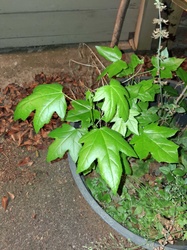
Liquidambar Identification Guide
Identify liquidambar (American sweetgum, Liquidambar styraciflua) by its star-shaped five-lobed leaves, spiky round seed balls, and corky-ridged twigs.
Read the full Liquidambar encyclopedia entry →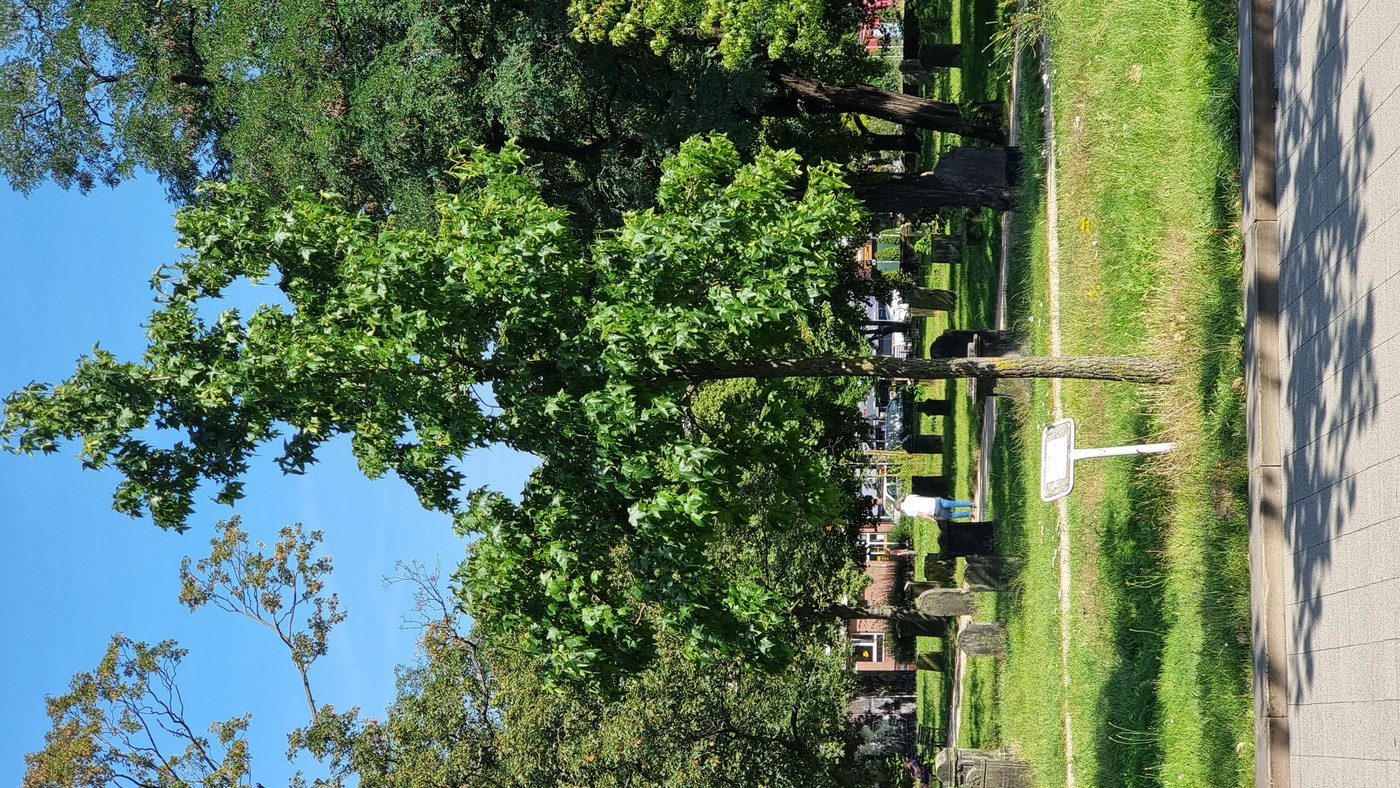
Key Identifying Features
Liquidambar, commonly called American sweetgum (Liquidambar styraciflua), is a large deciduous tree easily recognized by two things: star-shaped leaves and spiky round seed balls that litter the ground beneath it. Its fall color is among the most brilliant of any tree.
- Size & form: 60–80 ft tall (sometimes more), with a pyramidal crown when young maturing to oval/rounded.
- Bark: Gray-brown, deeply furrowed into rough, blocky ridges.
- Twigs: Often develop distinctive corky wings or ridges along the bark—a strong ID clue in winter.
Leaves & Stems
The hallmark leaf is palmately 5-lobed (sometimes 7), shaped like a star, 4–7 inches across, with finely toothed margins and a long stalk. Leaves are alternate (note: maples, which they superficially resemble, are opposite)—a critical distinction. Glossy green in summer, they turn a spectacular mix of yellow, orange, red, and deep purple in autumn. Crushed leaves and bark have a faint resinous, balsam-like fragrance (the source of "liquid amber").
Flowers & Fruit
- Flowers (spring): Small, greenish, inconspicuous—males in upright clusters, females in rounded heads.
- Fruit: The famous woody, spherical seed balls ("gumballs") about 1–1.5 inches across, covered in spiky horns. They ripen brown and hang on the tree into winter before dropping, where they're a notorious lawn hazard. These spiky spheres are unmistakable and diagnostic.
How to Tell It Apart from Look-Alikes
- Maples (Acer): The biggest confusion—similar star/lobed leaves, but maples have OPPOSITE leaves and produce winged samaras, not spiky balls. Sweetgum leaves are alternate.
- Sycamore/plane tree (Platanus): Also has lobed leaves and round seed balls, but the balls are soft and fuzzy (not spiky) and the bark is patchy/peeling.
- Sweetgum vs. tulip tree: Tulip tree leaves are squared-off with 4 lobes and notched tips.
- Key tell: alternate star leaves + spiky woody gumballs + corky-ridged twigs.
Where You'll Find It
Native to the southeastern U.S. (and ranging into Mexico/Central America), liquidambar grows wild in moist bottomlands and is widely planted as a street and shade tree for fall color across temperate zones (USDA 5–9). It tolerates a range of soils but prefers deep, moist, slightly acidic ground.
Quick ID Checklist
- Large tree, pyramidal then rounded
- Star-shaped, 5-lobed, ALTERNATE leaves (not opposite)
- Spectacular multicolored fall foliage
- Spiky round woody seed balls ("gumballs")
- Corky ridges/wings on twigs; furrowed bark
Frequently asked questions
How do I tell liquidambar from a maple?
Both have star-shaped lobed leaves, but liquidambar leaves are arranged alternately on the twig while maple leaves are opposite. Liquidambar also drops spiky round seed balls, whereas maples produce winged samaras.
What are the spiky balls under the tree?
Those are sweetgum's woody seed capsules, often called gumballs. They're covered in stiff horn-like spikes, ripen brown, and fall through autumn and winter, making them a reliable identification feature.
Why is it called liquidambar?
The name refers to the fragrant, amber-colored resin (storax) that seeps from the bark when wounded. The tree's wood, bark, and leaves carry a faint balsam-like aroma.
What makes sweetgum popular despite the messy seed balls?
Its fall color is exceptional, with single trees displaying yellow, orange, red, and purple at once. Fruitless cultivars like 'Rotundiloba' are bred to avoid the spiky gumballs.
Liquidambar identified by the community
Recent Liquidambar specimens identified with Plant Identifier.