How to Care for Marigold
Grow bright, dependable marigolds with full sun, moderate water and steady deadheading for months of nonstop bloom.
Read the full Marigold encyclopedia entry →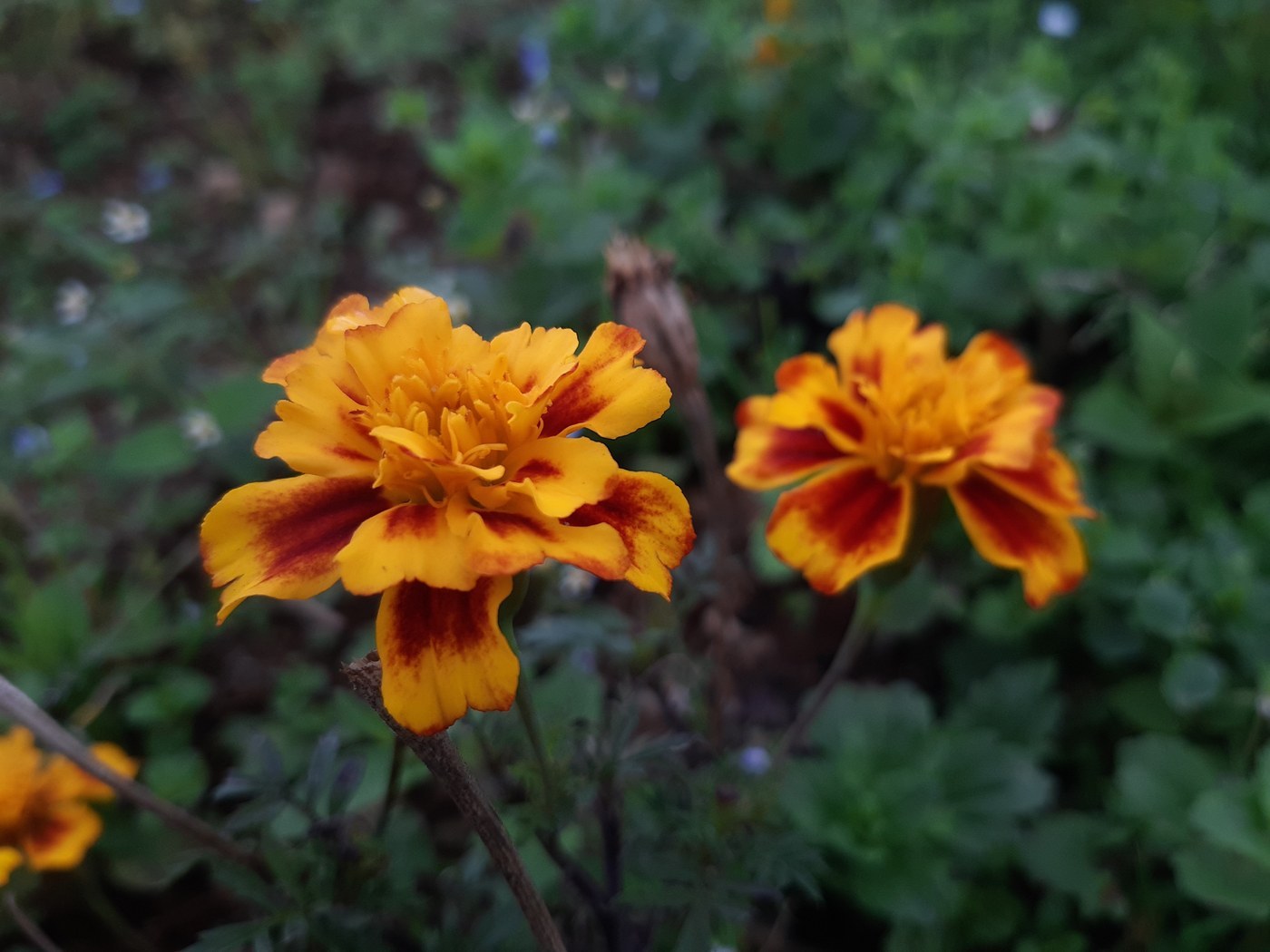
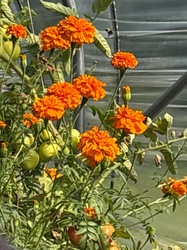
Marigolds (Tagetes) are among the easiest and most rewarding annuals, rewarding beginners with mounds of gold, orange, and rust blooms from late spring until frost. They thrive on sun, tolerate poor soil, and ask for little beyond regular deadheading.
Light
Marigolds are true sun lovers and want a full-sun position with at least 6 to 8 hours of direct light per day. Too much shade produces leggy, floppy stems and far fewer flowers, with plants stretching toward the brightest window or gap. In extremely hot climates a little dappled afternoon shade can reduce heat stress on the tall African types.
Water
Water moderately, letting the top inch of soil dry between drinks. Marigolds prefer to run slightly on the dry side rather than sit in soggy ground, so aim for deep, less-frequent watering that reaches the roots. Always water at the base of the plant and keep the foliage dry, since overhead watering encourages fungal spotting and can rot the dense, double flower heads.
Soil & Potting
Almost any well-drained garden soil suits marigolds, and they actually bloom more freely in lean soil than in rich, heavily amended beds. For containers use a general-purpose potting mix and make sure the pot has drainage holes. Heavy clay should be loosened with grit or compost so water moves through freely.
Humidity & Temperature
Marigolds are warm-season annuals that love heat and shrug off dry air. Plant them out only once the soil has warmed and all danger of frost has passed, since even a light freeze will kill them. They perform best in the range of roughly 20 to 30 C and simply stop growing in cold, wet spring soil.
Feeding
Go easy on fertilizer. A single application of balanced feed at planting is usually enough, and container plants benefit from a diluted liquid feed every few weeks. Avoid high-nitrogen fertilizers, which drive lush leafy growth and lush foliage at the expense of flowers.
Propagation
Marigolds grow readily from seed and are one of the best plants for beginners to start from scratch. Sow seed indoors 6 to 8 weeks before the last frost or direct-sow once soil is warm; seedlings germinate in under a week. Collect dried seed heads at season's end to save for next year, though named hybrids may not come fully true.
Repotting / Pruning
As annuals, marigolds are not repotted long-term, but pinch young plants once to encourage bushier growth. The single most important task is deadheading: remove spent blooms regularly to keep the plant channeling energy into new buds rather than seed. Trim back any leggy stems mid-season to refresh a tired planting.
Common Problems & Pests
Marigolds are tough but can attract aphids and spider mites, especially in hot, dry spells; a strong spray of water or insecticidal soap usually clears them. Slugs and snails may chew young seedlings. In damp conditions watch for powdery mildew and gray mold on flowers, both reduced by good airflow and dry foliage. Root and stem rot appear only in waterlogged soil.
Seasonal Care Tips
Start seeds in late winter or early spring under cover, then harden off and plant out after frost. Feed lightly at planting and deadhead through summer for continuous color. As nights cool in autumn, blooming slows and the first hard frost ends the display; pull and compost spent plants, saving seed from favorites for the following year.
Frequently asked questions
Why is my marigold tall and leggy with few flowers?
Almost always too little light or too much nitrogen. Move plants into full sun, ease off rich feeding, and pinch the tips to encourage branching.
How often should I deadhead marigolds?
Every few days during peak bloom. Snapping off faded flowers before they set seed keeps the plant producing new buds right up to frost.
Can I grow marigolds in pots?
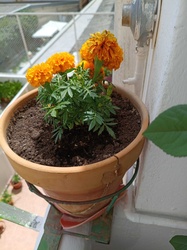
Yes, they are excellent container plants. Use a well-drained potting mix, a pot with drainage holes, place it in full sun, and water when the top inch dries.
Do marigolds come back every year?
They are frost-tender annuals, so they die with the first hard freeze. However, they self-seed readily and often reappear from dropped seed the next spring.
Marigold identified by the community
Recent Marigold specimens identified with Plant Identifier.