How to Care for Milkweed
Grow tough, drought-tolerant common milkweed in full sun for fragrant summer flower clusters and a low-maintenance native display.
Read the full Milkweed encyclopedia entry →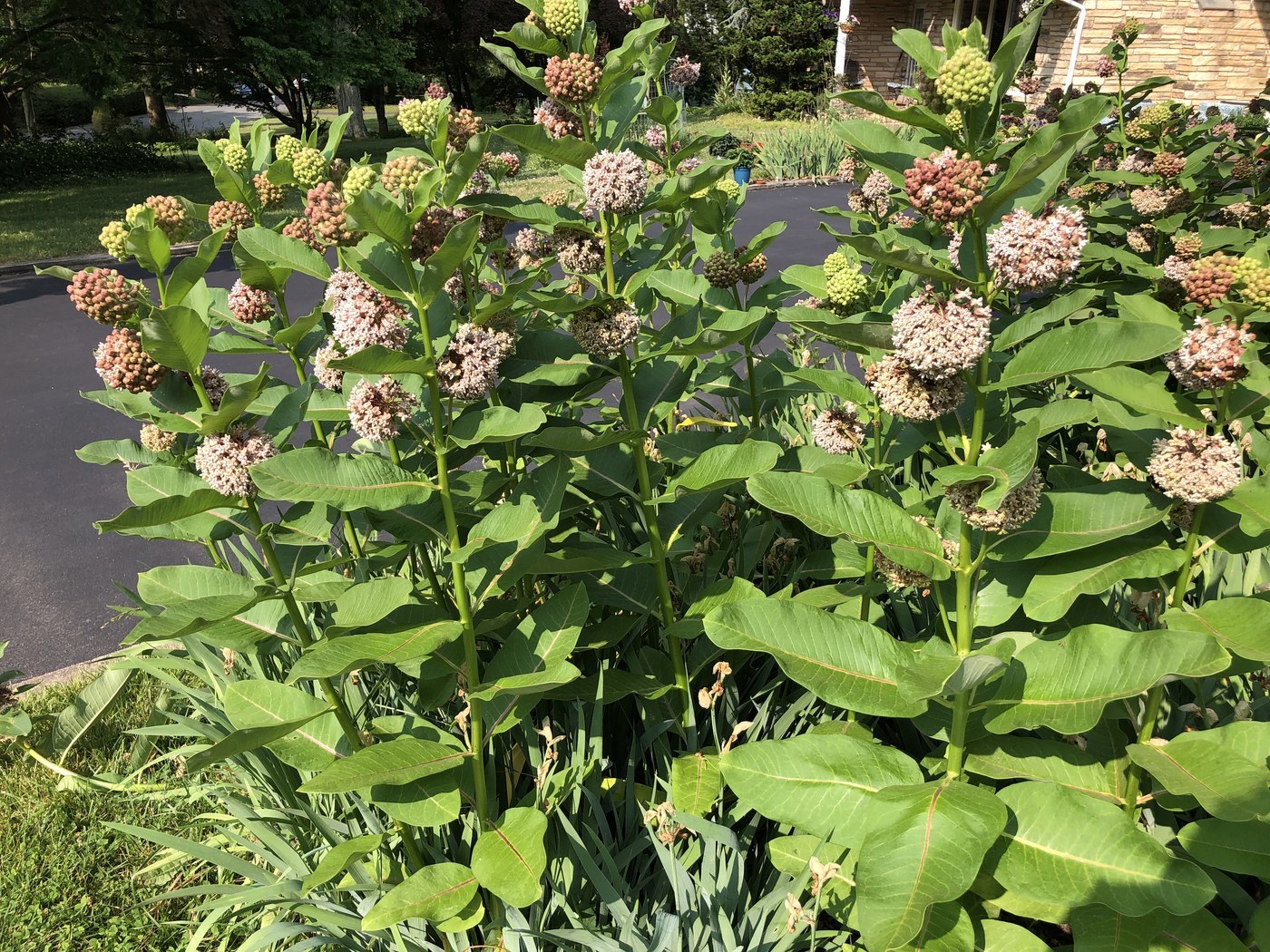
Common milkweed (Asclepias syriaca) is a robust, spreading native perennial grown for its domed clusters of fragrant, dusty-pink summer flowers and bold, upright form. It is exceptionally easy and drought-tolerant once established, making it a carefree choice for sunny meadows and naturalized borders.
Light
Milkweed demands full sun—at least six to eight hours of direct light daily—for sturdy stems and generous flowering. In too much shade it grows lanky, blooms poorly, and is more prone to flopping. Give it the brightest, most open spot you have.
Water
This is a low-water plant. Water new transplants regularly through their first season to establish deep roots, then scale back sharply—mature plants are notably drought-tolerant and resent soggy soil. In most climates natural rainfall is enough once established; only water during prolonged drought. Overwatering and poor drainage are far more likely to harm it than dryness.
Soil & Potting
Common milkweed is unfussy about soil and thrives in average to poor, well-drained ground, including sandy or rocky sites. It tolerates a wide pH range and actually flowers best in lean soil; overly rich, fertile beds encourage floppy, leafy growth. If growing in a container, use a gritty, free-draining mix, though this deep-rooted spreader is happiest in the open ground.
Humidity & Temperature
A hardy perennial across much of the temperate zone, milkweed handles hot summers and cold winters with ease, dying back to the ground each fall and returning in spring. It has no special humidity needs and copes well with dry air and wind. Its deep taproot helps it endure heat and temperature swings.
Feeding
Milkweed needs little to no supplemental feeding. It evolved for lean conditions, and heavy fertilizer produces weak, floppy stems at the expense of flowers. In poor soil a light topdressing of compost in spring is more than enough; otherwise skip fertilizer entirely.
Propagation
Grow milkweed from seed, root cuttings, or division. Seeds germinate best after cold, moist stratification—mimic winter by chilling them in damp medium for several weeks, or simply sow outdoors in fall. Because of its deep taproot, established plants transplant poorly, so start seedlings where they will grow or move them while very young. Established clumps also spread naturally by underground rhizomes.
Repotting / Pruning
Container plants rarely need repotting given how the taproot resents disturbance; if you must, move them young into a deep pot. Pruning is minimal: cut spent stems to the ground in late fall or early spring to tidy the plant. Be aware this species spreads vigorously by rhizome—to limit its wandering, remove seed pods before they burst or plant it where it can roam freely.
Common Problems & Pests
Milkweed is generally trouble-free. Aphids, particularly bright orange oleander aphids, commonly colonize stems and new growth; a strong spray of water usually knocks them back. Excess moisture or heavy clay can cause root rot, and rust or leaf spot may appear on stressed foliage in humid conditions. Its main "problem" for gardeners is its enthusiastic spreading habit.
Seasonal Care Tips
Sow seed in fall for natural stratification, or start stratified seed in early spring. Expect the plant to emerge late in spring—don't assume it has died. Flowers appear in summer, followed by distinctive spindle-shaped seed pods; remove pods early if you want to prevent self-seeding and spread. Cut the dried stalks down in late fall or leave them for winter structure, and let the deep roots rest until they resprout the following spring.
Frequently asked questions
Why hasn't my milkweed come up in spring?
Common milkweed is one of the last perennials to emerge, often not breaking ground until late spring. Be patient before assuming it has died—mark its location so you don't accidentally dig it up, and it will reappear once the soil warms.
How do I get milkweed seeds to germinate?
Most milkweed seed needs cold, moist stratification. Either sow directly outdoors in fall so winter does the work, or chill the seeds in a bag of damp sand or paper towel in the refrigerator for four to six weeks before sowing in spring.
Should I fertilize my milkweed?
No, milkweed rarely needs feeding. It thrives in lean soil, and rich fertilizer produces weak, floppy growth with fewer flowers. At most, a light spring topdressing of compost in very poor soil is plenty.
How do I stop milkweed from spreading everywhere?
Common milkweed spreads by both seed and underground rhizomes. Remove the seed pods before they split open and release their fluffy seeds, and install root barriers or grow it in a contained bed if you want to curb the rhizomes' wandering.
Milkweed identified by the community
Recent Milkweed specimens identified with Plant Identifier.