Milkweed
Asclepias syriaca
Milkweed is a hardy native perennial with fragrant flower clusters and milky sap, best known as the essential host plant for monarch butterflies. Its seed pods release silk-tufted seeds in fall.
- Light
- Full sun
- Water
- Low to moderate; drought-tolerant
- Difficulty
- Easy
Got a plant like this?
Identify any plant from a photo, free.
Overview
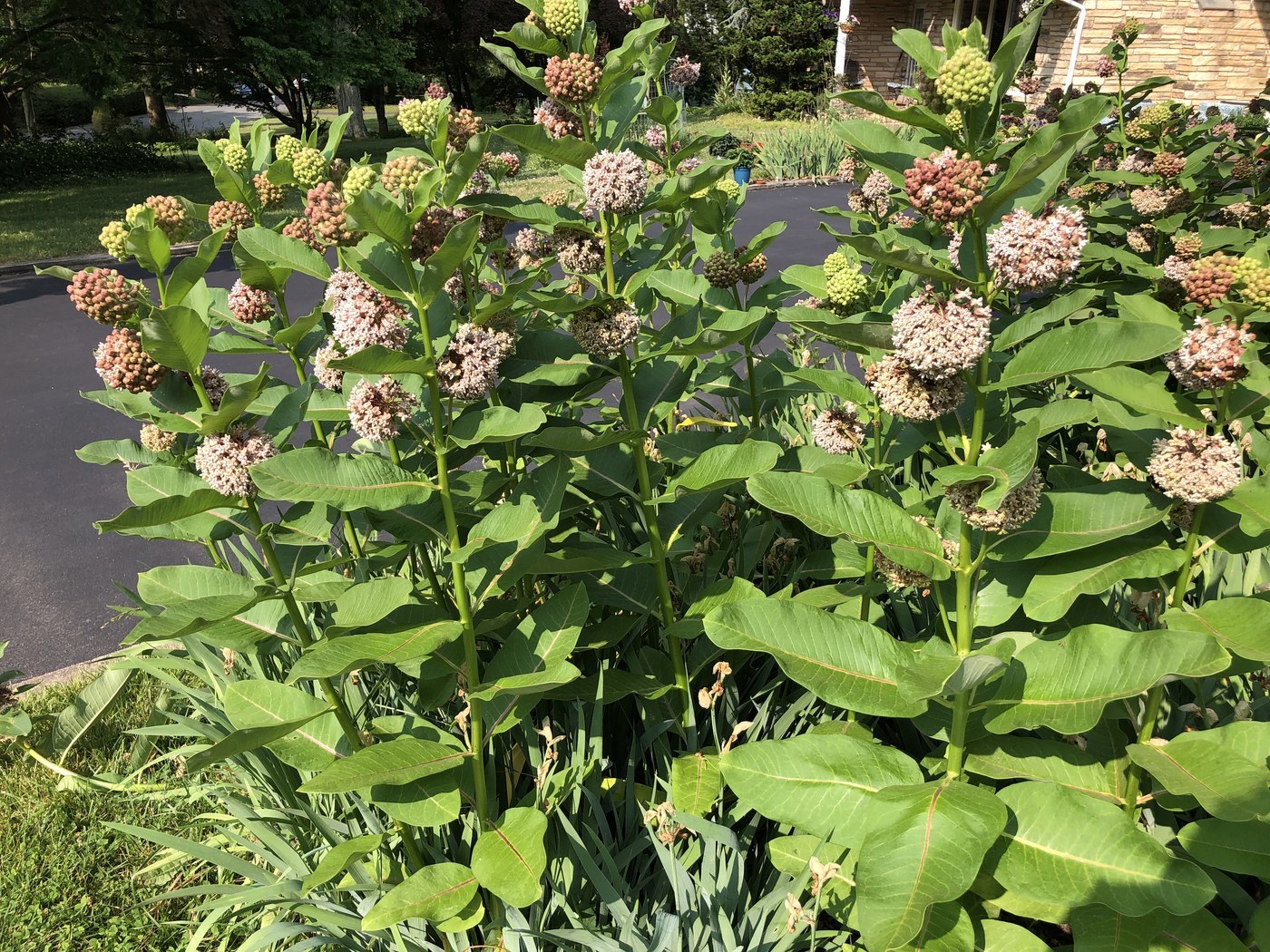
Milkweed (Asclepias syriaca, common milkweed) is a robust North American perennial named for the milky white sap that oozes from its broken stems and leaves. It is most famous as the indispensable host plant for monarch butterflies.
In summer it bears rounded clusters of small, intricately structured, sweetly fragrant pink-mauve flowers, followed by warty pods that split open to release seeds on silky parachutes.
Once dismissed as a weed, milkweed is now widely planted to support declining monarch populations and other pollinators.
How to identify it
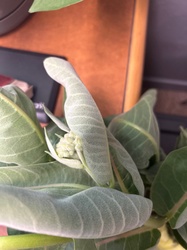
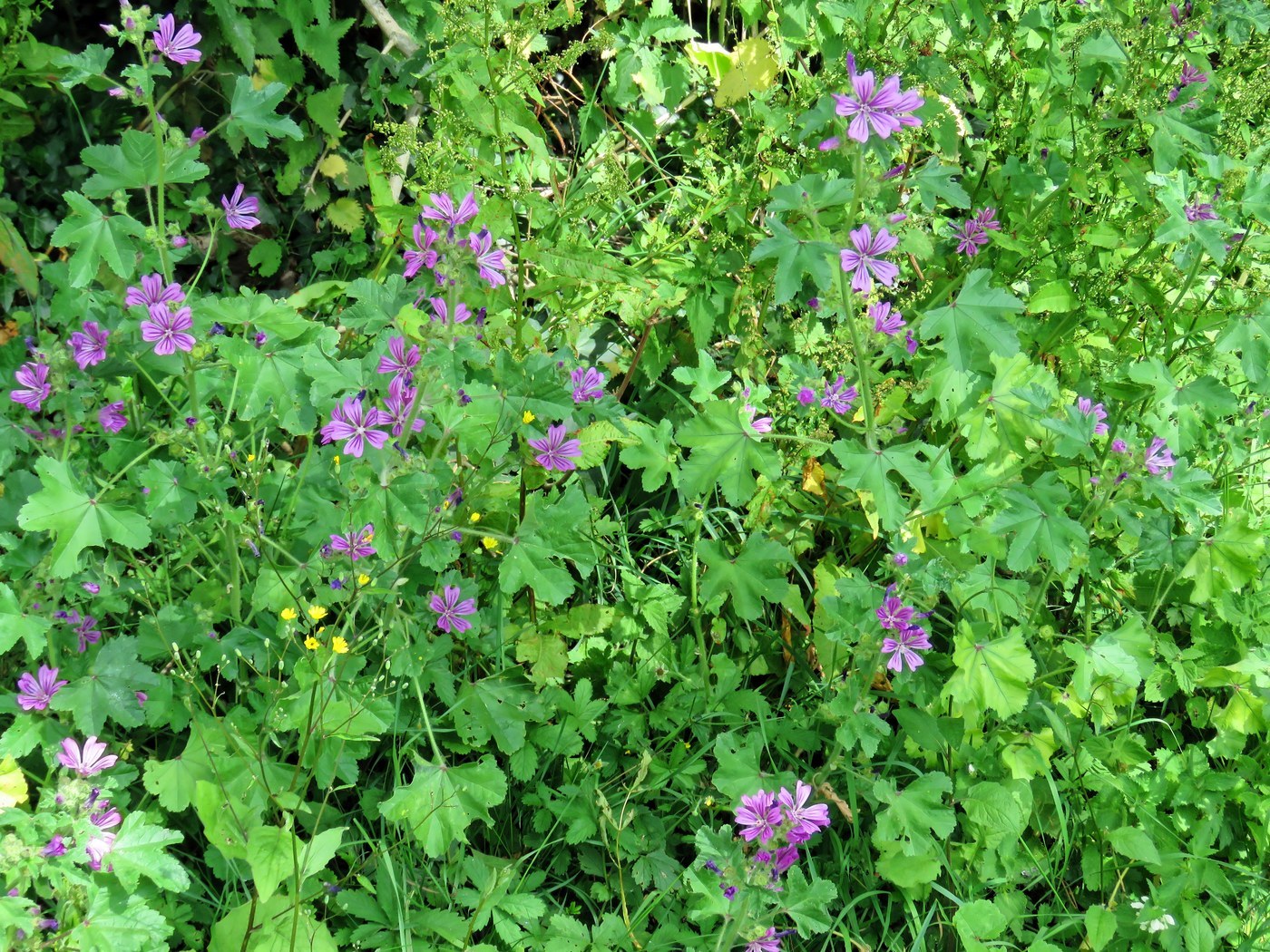
- Flowers: Spherical clusters (umbels) of small, fragrant, pink to mauve star-shaped flowers with a distinctive crown structure, in summer
- Sap: Stems and leaves exude milky white latex when cut
- Leaves: Large, broad, oval, opposite leaves with prominent veins
- Seed pods: Warty, teardrop-shaped pods that split to release brown seeds with silky white floss
- Height: Stout stems 3-5 ft tall, spreading by rhizomes
Care & growing
- Light: Full sun
- Water: Low to moderate; drought-tolerant once established
- Soil: Adaptable; common milkweed thrives in average to poor, well-drained soil and tolerates dry sites
- Temperature: Hardy roughly USDA zones 3-9
- Feeding: None needed
- Propagation: From seed (often needs cold stratification) or by rhizome division; common milkweed spreads readily by underground runners, so site it where spreading is welcome
Habitat & origin
Common milkweed is native to eastern and central North America, growing in fields, prairies, roadsides, and disturbed open ground.
It and other Asclepias species are planted in pollinator and monarch waystation gardens. Gardeners in some regions choose less aggressive native milkweeds (such as Asclepias incarnata or Asclepias tuberosa) for borders, reserving common milkweed for meadows.
Frequently asked questions
Which milkweed is best for monarchs?
All native milkweeds (Asclepias) host monarchs. Common milkweed is excellent but spreads aggressively; for tidy gardens, swamp milkweed or butterfly weed are better-behaved native choices.
Should I avoid tropical milkweed?
In many warm regions, non-native tropical milkweed (Asclepias curassavica) is discouraged because it can disrupt monarch migration and harbor disease. Plant locally native species instead.
How does milkweed spread?
Common milkweed spreads both by wind-borne seeds from its silky pods and aggressively by underground rhizomes, so give it room or choose a clumping species.
Milkweed guides
In-depth guides for identifying, growing, and caring for Milkweed.
How to Care for Milkweed
Grow tough, drought-tolerant common milkweed in full sun for fragrant summer flower clusters and a low-maintenance native display.
Milkweed Identification Guide
How to identify Milkweed (Asclepias) by its milky sap, paired oval leaves, intricate hooded flower clusters, and warty seed pods full of silky-parachute seeds.
Milkweed identified by the community
Real specimens identified with Plant Identifier.