Milkweed Identification Guide
How to identify Milkweed (Asclepias) by its milky sap, paired oval leaves, intricate hooded flower clusters, and warty seed pods full of silky-parachute seeds.
Read the full Milkweed encyclopedia entry →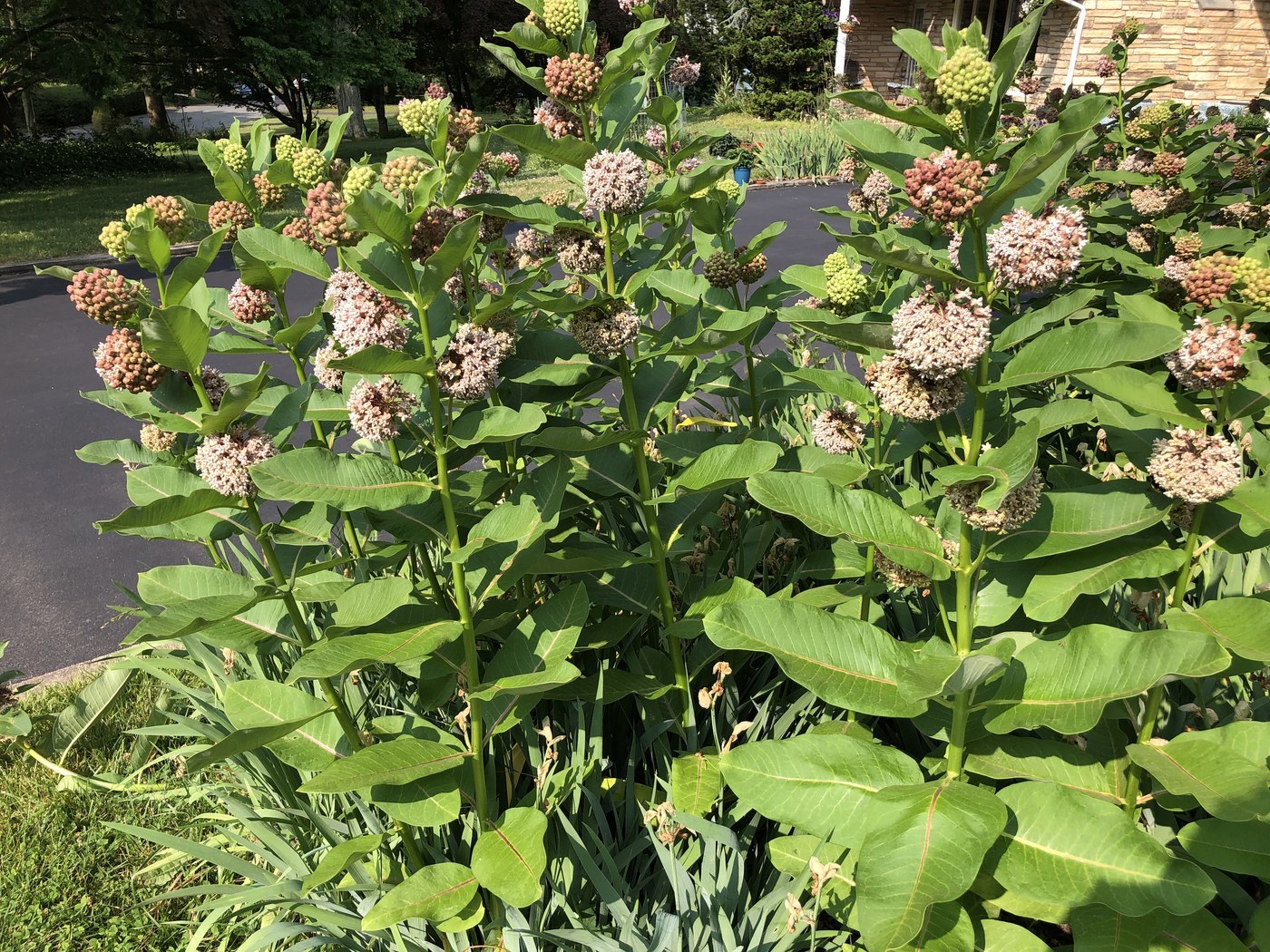
Key Identifying Features
Milkweed (Asclepias) is best known as the host plant for monarch butterflies. The genus is defined by its milky white sap (latex), its uniquely structured flowers with five down-turned petals and an upright crown of hoods and horns, and its pod-like seed follicles that release silky-tufted seeds.
- Milky white sap oozes from broken stems and leaves
- Flowers in rounded clusters (umbels) with hoods and horns
- Pod-shaped seed follicles with silky parachute seeds
- Most species 1.5-5 feet tall
Leaves & Stems
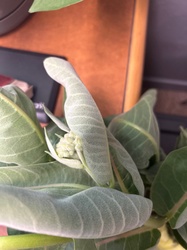
The most common species, common milkweed (Asclepias syriaca), has large, broad, oval leaves 4-8 inches long arranged in opposite pairs, with smooth edges, a prominent pale midrib, and a soft, slightly downy underside. Stems are stout, usually unbranched, and exude white latex when cut. (Other species vary: swamp milkweed has narrow leaves, whorled milkweed has thread-like leaves.) The milky sap is the single most reliable clue across the genus, except for butterfly weed which has clear sap.
Flowers & Fruit
The flowers are extraordinary and diagnostic. They form dense, rounded clusters of many small flowers, each with five petals that bend downward and, above them, a crown (corona) of five cupped "hoods," each often containing a curved "horn." Colors range from dusty pink-purple (common milkweed) to orange, white, and rose. After bloom, large, often warty, spindle-shaped pods (follicles) develop; when ripe they split open to release flat brown seeds, each with a tuft of silky white floss that carries it on the wind.
How to Tell It Apart from Look-Alikes
- Dogbane (Apocynum): also has milky sap and paired leaves, but flowers are tiny pink bells and stems are reddish and branching, lacking milkweed's hoods, horns, and big pods.
- Butterfly weed (Asclepias tuberosa): a milkweed, but with clear sap, alternate leaves, and orange flowers.
- Lettuce or sow-thistle: milky sap too, but they are daisy-family plants with dandelion-like yellow flowers, not hooded umbels.
The milky sap + hooded/horned umbel flowers + silky-seeded pods together are unique to true milkweeds.
Where You'll Find It
Milkweeds grow in fields, prairies, roadsides, ditches, and gardens, with different species favoring dry, average, or wet soils. Common milkweed colonizes disturbed sunny ground and spreads by rhizomes. Look for the fragrant flower clusters in early to mid summer and the bursting silky pods in fall, often with monarch caterpillars on the leaves.
Quick ID Checklist
- Milky white sap from broken stems/leaves
- Flowers in rounded clusters with hoods and horns
- Opposite leaves (broad in common milkweed)
- Spindle-shaped pods with silky-parachute seeds
- Often hosting monarch caterpillars
A plant with milky sap, hooded umbel flowers, and silky-seeded pods is a Milkweed.
Frequently asked questions
Why is milkweed important for monarchs?
Milkweed (Asclepias) is the only group of plants monarch caterpillars feed on, so the leaves are their sole food source and monarchs cannot reproduce without it.
How do I tell milkweed from dogbane?
Both have milky sap and paired leaves, but dogbane has tiny pink bell-shaped flowers and reddish branching stems, while milkweed has hooded, horned flowers in rounded clusters and large seed pods.
What are the silky tufts in milkweed pods?
Each flat brown seed has a tuft of fine silky hairs (called floss or coma) that acts like a parachute, letting the wind carry the seeds far from the parent plant.
Milkweed identified by the community
Recent Milkweed specimens identified with Plant Identifier.