How to Care for Monstera Deliciosa
Grow a lush Monstera deliciosa with the right bright indirect light, watering rhythm, support, and humidity for those iconic split leaves.
Read the full Monstera Deliciosa encyclopedia entry →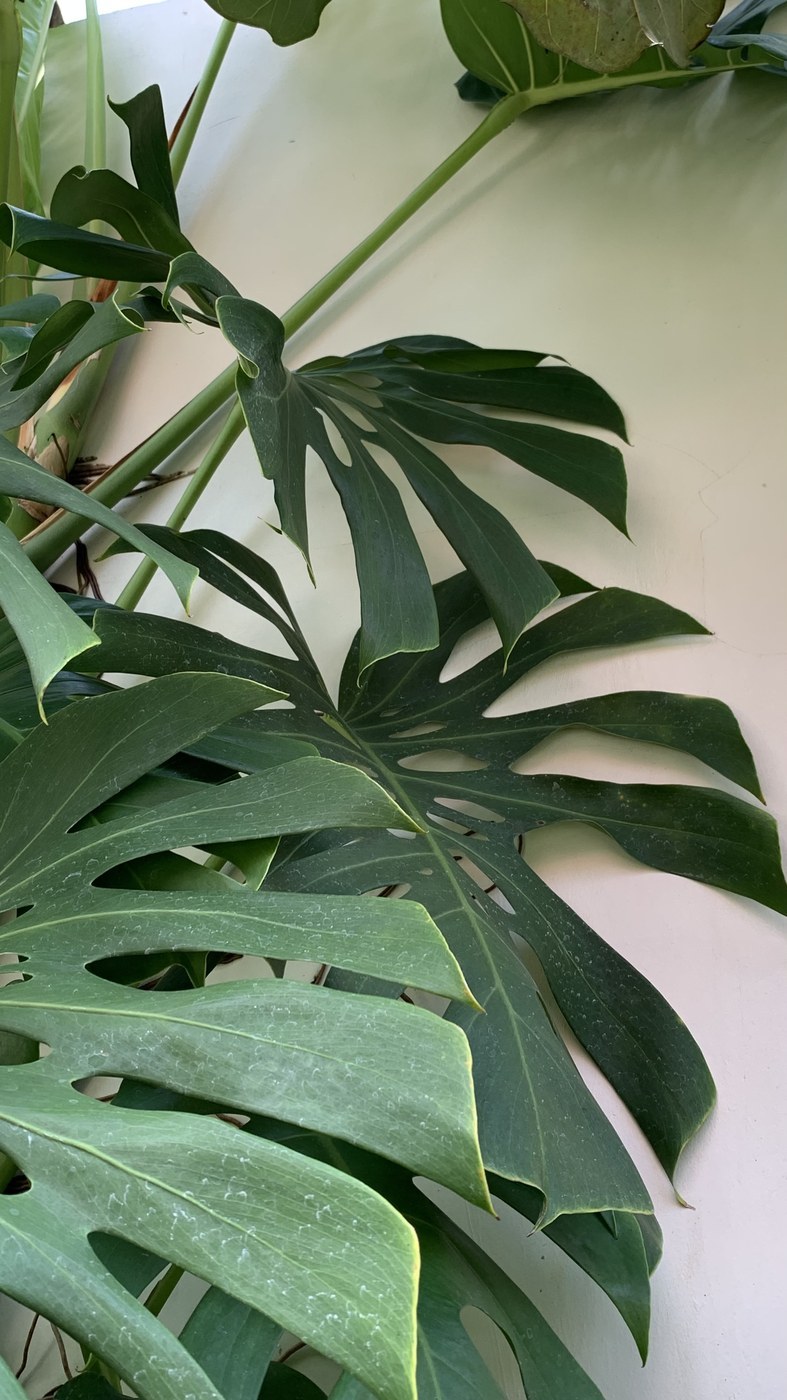
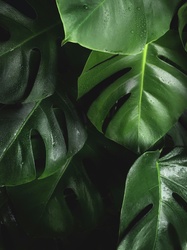
Monstera deliciosa is a fast-growing tropical aroid prized for its large, glossy leaves that develop dramatic splits and holes (fenestrations) as the plant matures. It is a forgiving, beginner-friendly climber that rewards a little structure and consistent conditions with impressive size.
Light
Give Monstera bright, indirect light for the fullest fenestration and compact growth. An east-facing window or a spot a few feet back from a south or west window is ideal. Too little light produces small, solid leaves and long, leggy stems; harsh direct midday sun can scorch and yellow the foliage. Rotate the pot every week or two so growth stays even.
Water
Water when the top 2-3 cm of soil feels dry, then soak thoroughly until water runs from the drainage holes and discard the excess. Monstera dislikes sitting in soggy soil, which invites root rot, but also resents prolonged drought that leaves leaves limp and crispy at the edges. Expect to water roughly weekly in the growing season and less in winter.
Soil & Potting
Use a chunky, well-aerated mix: a general potting soil amended with orchid bark, perlite, and a little coco coir works well. This blend mimics the loose forest-floor litter the plant naturally roots into and keeps air around the roots. Always plant in a container with drainage holes.
Humidity & Temperature
Monstera thrives in average-to-high humidity (50% or more) and normal room temperatures of about 18-27 C. It tolerates typical household humidity but grows lusher with a humidifier or a pebble tray. Keep it away from cold drafts, heating vents, and temperatures below about 10 C.
Feeding
Feed with a balanced liquid houseplant fertilizer at half strength every 3-4 weeks during spring and summer. Pause feeding in autumn and winter when growth slows. Over-fertilizing can cause salt buildup and leaf-tip burn, so flush the soil occasionally.
Propagation
Propagate from stem cuttings that include at least one node and, ideally, an aerial root. Place the cutting in water or moist sphagnum until roots develop, then pot up. Air layering is another reliable method for larger stems.
Repotting / Pruning
Repot every 1-2 years or when roots circle the pot, moving up one pot size in spring. Provide a moss pole or trellis to support the climbing habit and encourage bigger, more fenestrated leaves. Prune to control size, tuck or trim aerial roots as you prefer, and remove any yellowing lower leaves.
Common Problems & Pests
Yellowing leaves usually signal overwatering; crispy brown edges point to low humidity or underwatering. Watch for spider mites, mealybugs, thrips, and scale, especially on the leaf undersides; wipe leaves regularly and treat infestations with insecticidal soap. Lack of fenestration almost always means the plant needs more light.
Seasonal Care Tips
In spring and summer, water and feed on a regular schedule and expect vigorous new growth. In autumn and winter, cut back on water and stop feeding as the plant rests. Dust the large leaves periodically to keep them photosynthesizing efficiently through the darker months.
Frequently asked questions
Why doesn't my Monstera have splits in its leaves?
Fenestrations develop with maturity and adequate light. Young plants have solid leaves, and low light delays splitting. Move it to a brighter indirect spot and give it a support pole to encourage larger, split leaves.
How often should I water my Monstera?
Water when the top 2-3 cm of soil is dry, usually about once a week in the growing season and less in winter. Always let excess drain away rather than leaving the pot in standing water.
Should I give my Monstera a moss pole?
Yes, a moss pole or trellis mimics its natural climbing habit and encourages bigger, more fenestrated leaves. Tie stems loosely to the support as the plant grows.
Why are the edges of my Monstera leaves turning brown and crispy?
Crispy edges typically indicate low humidity or inconsistent watering. Raise humidity with a humidifier or pebble tray and keep the watering rhythm steady.
Monstera Deliciosa identified by the community
Recent Monstera Deliciosa specimens identified with Plant Identifier.