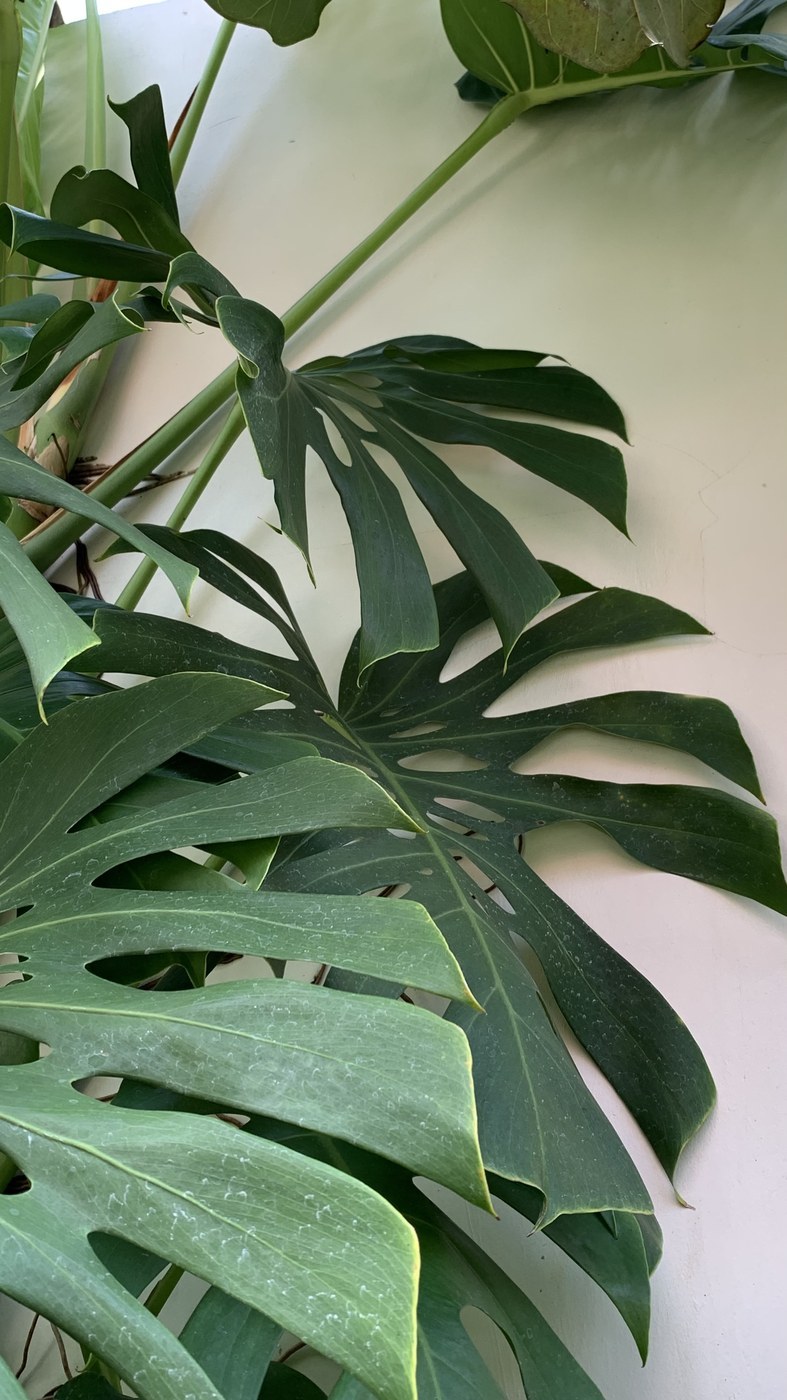
Monstera Deliciosa
Monstera deliciosa
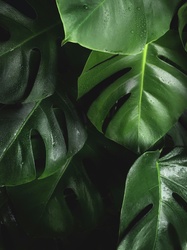
Monstera Deliciosa is a popular tropical houseplant famous for its large, glossy leaves that develop holes and deep splits as they mature. Native to Central American rainforests, it is an easygoing climber that can grow impressively large indoors.
- Light
- Bright indirect light
- Water
- Water when top 2-3 cm dry
- Difficulty
- Easy
Got a plant like this?
Identify any plant from a photo, free.
Overview
Monstera Deliciosa is one of the most recognizable houseplants in the world, beloved for its dramatic, fenestrated leaves that split and perforate with age. It is a climbing aroid native to the rainforests of southern Mexico and Central America.
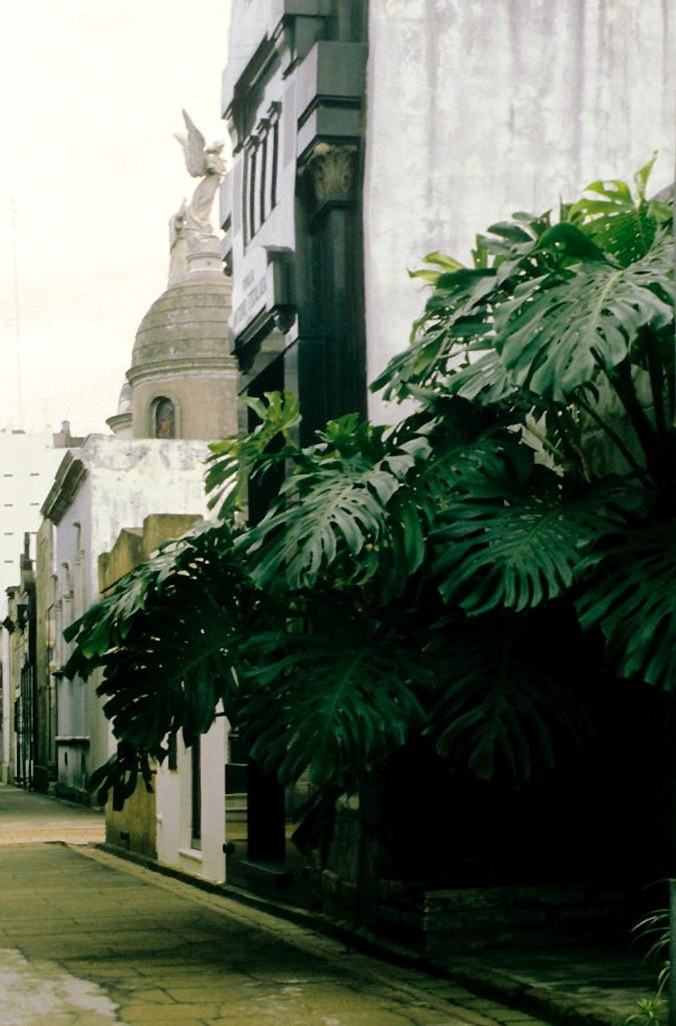
In the wild it scrambles up trees using aerial roots and can reach great heights, with leaves up to a meter wide. Indoors it stays more modest but still makes a bold statement.
It is a fruiting tropical aroid, though indoor specimens rarely flower or fruit.
How to identify it
Identify it by:
- Large, heart-shaped glossy leaves developing splits (fenestrations) and oval holes as they mature
- A climbing, vining habit with thick stems and long aerial roots
- Mature indoor leaves reaching 45 to 90 cm (18 to 36 in) across
- Distinct leaf-to-leaf increase in fenestration as the plant ages
- Occasionally a creamy spadix-and-spathe flower and a green, cone-like fruit
Care & growing
Forgiving and fast-growing under decent conditions.
- Light: Bright, indirect light; too little reduces fenestration, direct sun scorches leaves
- Water: Water when the top 2 to 3 cm of soil is dry; avoid soggy roots
- Soil: Chunky, well-draining aroid mix with bark and perlite
- Temperature: Warm, 18 to 27 C (65 to 80 F); protect from cold drafts
- Feeding: Balanced fertilizer monthly in spring and summer
- Propagation: Easy from stem cuttings with a node; roots readily in water or moss. Provide a moss pole for support and larger leaves
Habitat & origin
Native to the tropical rainforests of southern Mexico through Panama in Central America.
It naturally grows as a hemiepiphytic climber, rooting in the ground and ascending tree trunks toward the light. It has naturalized in other tropical regions and is grown worldwide as a houseplant and, in frost-free climates, an outdoor ornamental.
Frequently asked questions
Why doesn't my Monstera have holes in its leaves?
Young plants and those in low light produce solid leaves. Give it bright indirect light and time, and new mature leaves will develop the classic splits and holes.
Do I need a moss pole?
It is not required but highly recommended. As a natural climber, the plant produces larger, more fenestrated leaves when given a moss pole to climb.
How often should I water it?
Water when the top couple of centimeters of soil feel dry, roughly weekly. Let excess drain away; it dislikes constantly soggy soil.
Monstera Deliciosa guides
In-depth guides for identifying, growing, and caring for Monstera Deliciosa.
How to Care for Monstera Deliciosa
Grow a lush Monstera deliciosa with the right bright indirect light, watering rhythm, support, and humidity for those iconic split leaves.
Monstera Deliciosa Identification Guide
Identify Monstera deliciosa, the Swiss cheese plant, by its huge glossy leaves with both splits (fenestrations) and holes, plus aerial roots.
Monstera Deliciosa identified by the community
Real specimens identified with Plant Identifier.