How to Care for Old Man Cactus
Grow the shaggy, white-haired Old Man Cactus with blazing light, gritty soil and very sparing water for a slow, sculptural columnar specimen.
Read the full Old Man Cactus encyclopedia entry →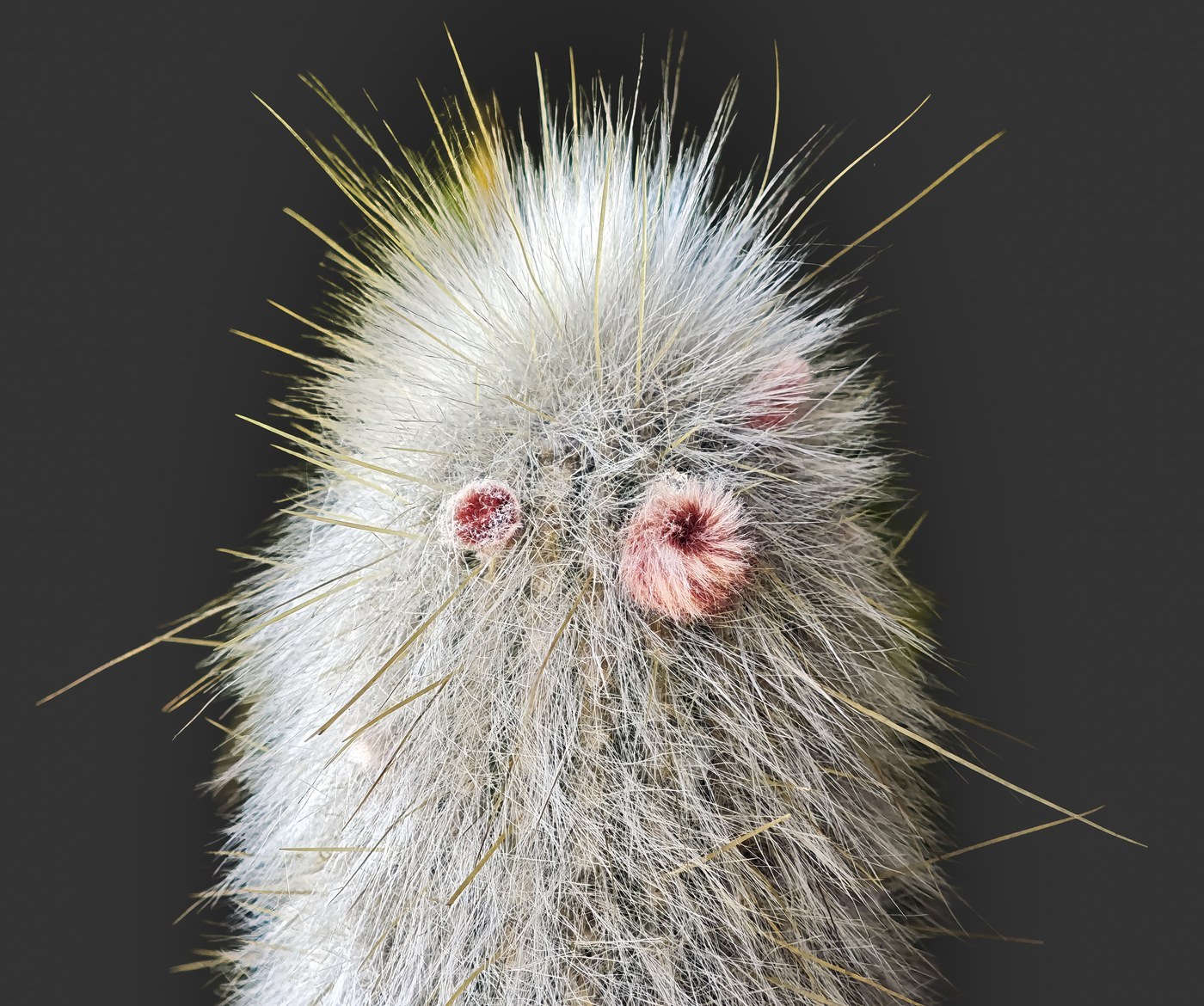
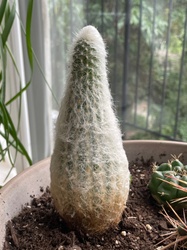
The Old Man Cactus (Cephalocereus senilis) is a slow-growing columnar cactus prized for the long, silvery-white hairs that veil its green stem like a mane. With bright light and lean, fast-draining conditions it makes a striking, low-maintenance sculptural specimen.
Light
Give it as much light as you can. Full sun to very bright light is ideal, and outdoors it thrives in an all-day sunny spot. Indoors, place it directly in a south- or west-facing window where it gets several hours of direct sun. Strong light keeps the white hairs dense and the stem compact; too little light causes weak, pale, etiolated growth that stretches toward the window. If moving a plant from indoors into full outdoor sun, acclimate it over one to two weeks to prevent scorching.
Water
Water very sparingly, matching its stated drought tolerance. During the warm growing season, soak the soil thoroughly and then let it dry out completely before watering again, roughly every two to three weeks depending on heat and pot size. In winter, when growth stalls, cut back to near-nothing, perhaps once a month or less. Overwatering is the single biggest killer, leading to soft, discolored rot at the base. When in doubt, wait longer.
Soil & Potting
Use a very gritty, sharply draining mineral mix formulated for cactus and succulents. Amend a cactus soil with extra pumice, coarse perlite, or coarse sand so water runs straight through. Always plant in a container with drainage holes; unglazed terracotta is excellent because it wicks moisture away from the roots. Avoid dense, peaty, water-holding potting soil.
Humidity & Temperature
This desert native loves warmth and low humidity. It is happiest between about 65 and 90 F (18 to 32 C) during active growth and tolerates high summer heat well. It is frost-tender, so keep it above roughly 50 F (10 C) and move it indoors before the first freeze. Provide good air circulation, and avoid damp, stagnant, humid conditions that encourage rot and fungal issues on the hairs.
Feeding
Feed lightly. During spring and summer, apply a diluted, low-nitrogen cactus fertilizer once a month or every six weeks. Excess nitrogen forces soft, weak growth. Do not feed in fall and winter while the plant is resting.
Propagation
Cephalocereus is most reliably grown from seed, though seedlings are extremely slow. Mature plants rarely branch, but if an offset or cutting is available, let the cut end callus and dry for one to two weeks, then set it on barely moist gritty mix and withhold heavy watering until roots form. Patience is essential; rooting can take many weeks.
Repotting / Pruning
Repot infrequently, only every few years when the plant becomes top-heavy or fills its pot. Handle with care, using folded newspaper, thick gloves, or a foam collar, because the soft-looking hairs conceal sharp spines beneath. Move up only one pot size. No routine pruning is needed; simply remove any shriveled or rotted tissue with a clean blade. To keep the white hairs looking their best, avoid getting them dirty or wet from overhead.
Common Problems & Pests
Root and stem rot from overwatering is the main threat; act quickly by cutting away soft tissue and drying the plant out. Mealybugs can hide among the hairs, appearing as white cottony tufts, so inspect regularly and dab with a cotton swab dipped in rubbing alcohol. Scale insects and, in dry indoor air, spider mites may also appear. Dingy or matted hairs can be gently cleaned with a soft brush. Etiolation (thin, stretched growth) signals insufficient light.
Seasonal Care Tips
In spring and summer, provide maximum light, resume regular but spaced watering, and feed lightly. In fall, taper watering and stop feeding as growth slows. In winter, keep the plant cool, dry, and bright to enforce a proper rest period, which also improves the odds of flowering on very old specimens. Always protect from frost.
Frequently asked questions
Why are the white hairs on my Old Man Cactus thinning?
Sparse or thinning hairs usually mean too little light or the plant is stretching. Move it to the brightest spot you have with several hours of direct sun, and keep the hairs clean and dry to encourage dense, healthy growth.
How often should I water an Old Man Cactus?
Very sparingly. Soak thoroughly, then let the soil dry out completely before watering again, roughly every two to three weeks in summer and only about once a month or less in winter. Overwatering causes rot.
Why is the base of my cactus turning soft and brown?
Soft, brown, mushy tissue at the base indicates rot from overwatering or poorly draining soil. Cut away all affected tissue with a clean blade, let it dry, and repot into a very gritty, fast-draining mix with better drainage.
Can I grow Old Man Cactus indoors?
Yes, provided you give it a very bright, sunny window with direct sun, a gritty cactus mix, and infrequent watering. Insufficient indoor light is the most common reason these cacti grow pale and stretched.
Old Man Cactus identified by the community
Recent Old Man Cactus specimens identified with Plant Identifier.