How to Care for Orchid
Master Phalaenopsis orchid care: bright indirect light, weekly watering with drying roots, bark mix, and reblooming tips for months of flowers.
Read the full Orchid encyclopedia entry →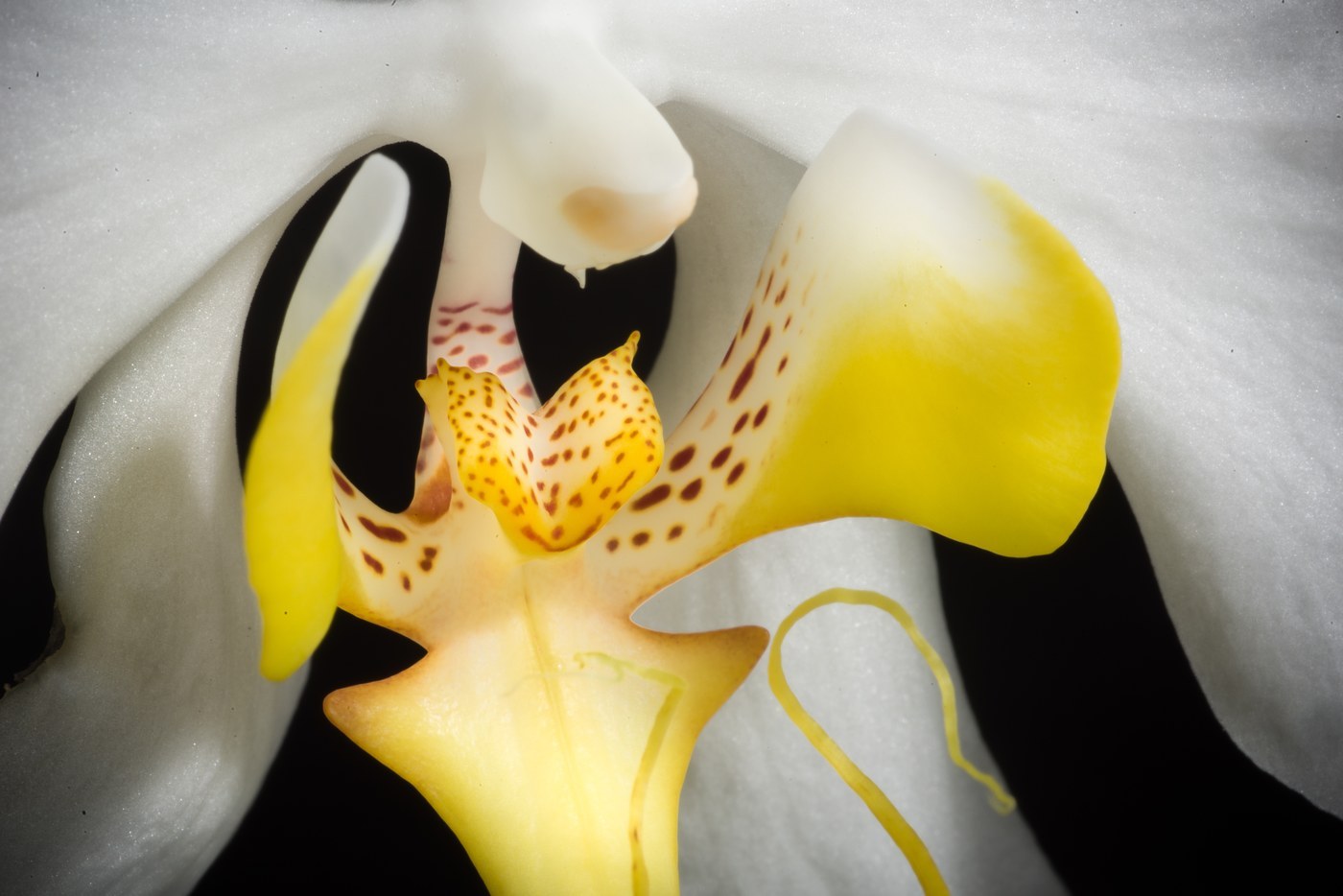
The moth orchid (Phalaenopsis amabilis) is the most popular and forgiving orchid, valued for arching sprays of long-lasting blooms above broad, glossy leaves. It is an epiphyte that grows on trees in the wild, so its care revolves around airy roots, bright indirect light, and letting those roots breathe between waterings.
Light
Provide bright, indirect light. An east-facing window with gentle morning sun is ideal, or a spot near a shaded south or west window. Leaves should be a healthy medium green; dark green leaves mean too little light and few blooms, while yellowish or red-tinged leaves signal too much direct sun. Avoid hot direct rays, which scorch the foliage. In dim rooms a grow light encourages reblooming.
Water
Water about once a week, thoroughly drenching the mix, then let the roots dry out before watering again. The roots should never sit in water. Silvery-green roots mean it is time to water; bright green roots mean they are still moist. Overwatering and trapped moisture in the crown are the leading causes of rot, so water in the morning and let the center of the plant dry. In dry or warm conditions you may water a bit more often, and less in cool, dim spells.
Soil & Potting
Never use ordinary potting soil. Pot in a coarse, open orchid mix based on bark chips, often with charcoal and sphagnum moss, in a container with ample drainage; clear pots let you monitor roots and let light reach them. The chunky medium keeps roots aerated and mimics their natural perch on tree bark. Repot into fresh mix every 1-2 years as the bark breaks down and holds too much moisture.
Humidity & Temperature
Phalaenopsis likes warm, humid conditions: daytime temperatures of 20-29 C (68-85 F) and slightly cooler nights. Aim for 50-70 percent humidity using a humidity tray, room humidifier, or grouping plants, and provide gentle air movement to prevent stagnant moisture. A drop of about 5-8 C between night and day in fall can help trigger a new flower spike.
Feeding
Feed regularly but weakly, following the "weakly, weekly" rule: a balanced orchid fertilizer diluted to quarter or half strength every week or two during active growth. Apply to already-moist roots to avoid burning them, and flush the pot with plain water periodically to clear salt buildup. Ease off feeding in winter when growth slows.
Propagation
Phalaenopsis is not easily divided like clumping orchids. The most accessible method for home growers is a keiki, a small plantlet that occasionally forms on an old flower spike. Once a keiki develops a few leaves and several roots a couple of centimeters long, gently detach it and pot it in fine orchid mix. Commercial propagation is done by lab tissue culture, which is impractical at home.
Repotting / Pruning
Repot every 1-2 years, ideally just after flowering, when the bark has decomposed or roots overflow the pot. Remove old, soft, or dead roots, settle the plant in fresh medium, and keep it slightly drier for a week while it re-establishes. After blooms fade, you can trim the flower spike: cut a healthy green spike just above a lower node to encourage a possible side spike, or remove a browned, dried spike at the base to redirect energy into roots and leaves.
Common Problems & Pests
Root and crown rot from overwatering or water sitting in the crown is the most common problem, shown by mushy brown roots or a collapsing center. Improve drainage and watering habits and let the crown dry. Wrinkled, limp leaves usually indicate dehydrated or rotted roots that can't take up water. Watch for mealybugs, scale, spider mites, and aphids, treating with insecticidal soap or by wiping leaves. Bud drop often comes from sudden temperature swings, drafts, or dryness.
Seasonal Care Tips
In spring and summer, the plant grows actively, so keep up regular watering, weak feeding, and bright indirect light. In fall, cooler nights help initiate a flower spike, so allow that natural temperature dip and reduce feeding. Winter blooms are common indoors, so protect the plant from cold drafts and dry heater air, maintain humidity, and water a touch less while daylight is short.
Frequently asked questions
How often should I water my Phalaenopsis orchid?
Water roughly once a week, soaking the bark mix thoroughly and then letting the roots dry before the next watering. Silvery-green roots mean it is time to water; green roots mean wait.
Why won't my orchid rebloom?
Usually it needs more light or a seasonal temperature cue. Move it to a brighter indirect spot, keep up weak regular feeding, and allow cooler nights in fall to help trigger a new flower spike.
Should I cut the flower spike after the blooms drop?
If the spike is still green, cut it just above a lower node to encourage a side spike. If it has turned brown and dry, trim it back to the base so the plant can focus on roots and leaves.
What potting mix does a moth orchid need?
Use a coarse orchid mix of bark chips, often with charcoal and some sphagnum moss, in a well-draining pot. Regular potting soil holds too much water and suffocates the roots.
Orchid identified by the community
Recent Orchid specimens identified with Plant Identifier.