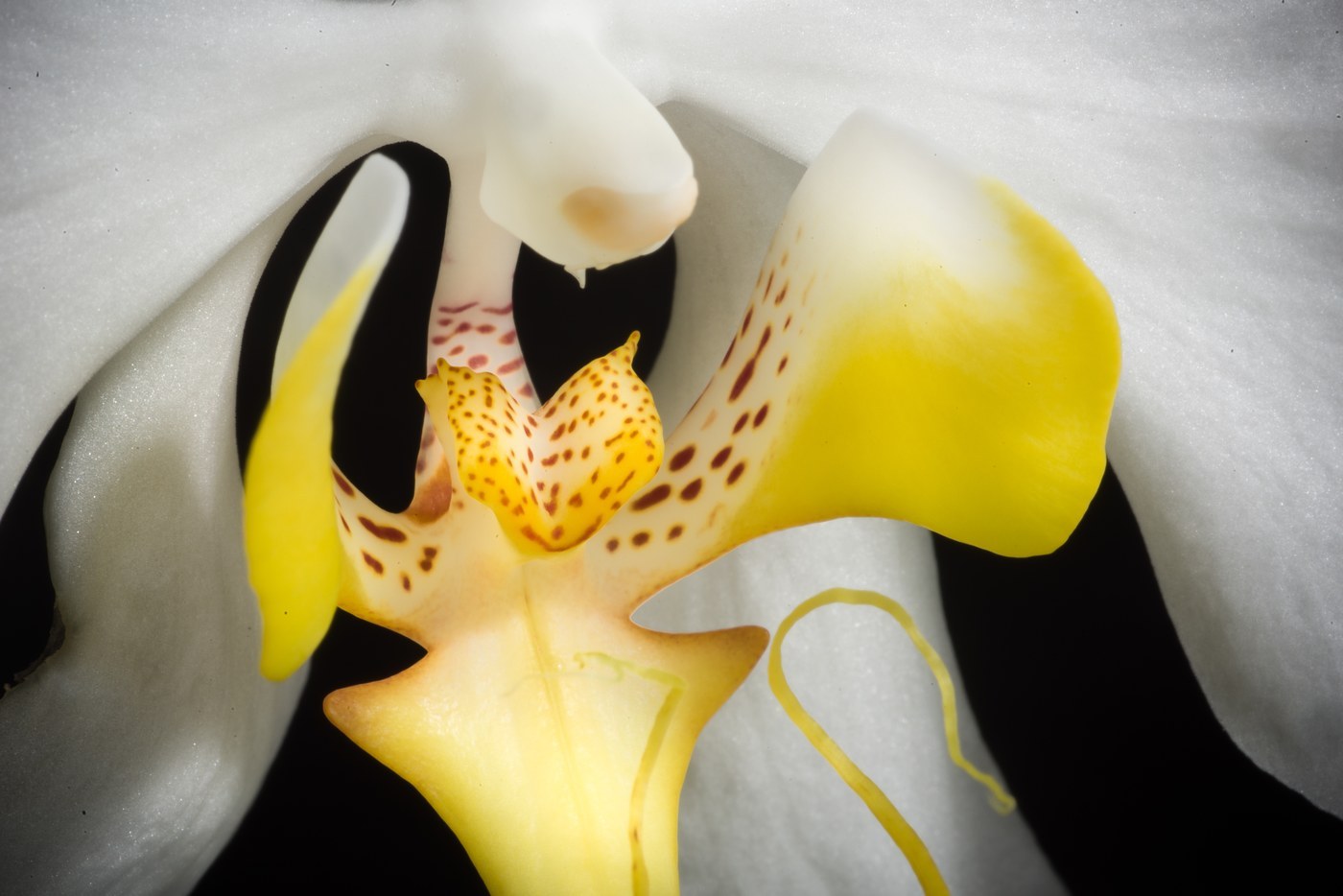
Orchid
Phalaenopsis amabilis
The moth orchid is the most popular indoor orchid, prized for arching sprays of long-lasting blooms. Despite a delicate look, it is one of the easiest orchids to grow at home.
- Light
- Bright indirect light
- Water
- Weekly; let roots dry between
- Difficulty
- Moderate
Got a plant like this?
Identify any plant from a photo, free.
Overview
Orchids form one of the largest plant families on Earth, but the moth orchid (Phalaenopsis) is by far the most common houseplant orchid, sold widely for its elegant, weeks-long flowers.
Most are epiphytes, growing naturally on tree branches rather than in soil, with thick aerial roots that absorb moisture from humid air.
With broad blooms resembling moths in flight, they come in white, pink, purple, yellow, and spotted patterns, making them a favorite gift and decor plant.
How to identify it
Recognize a moth orchid by:
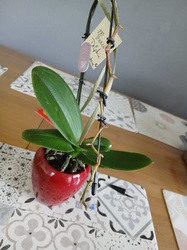
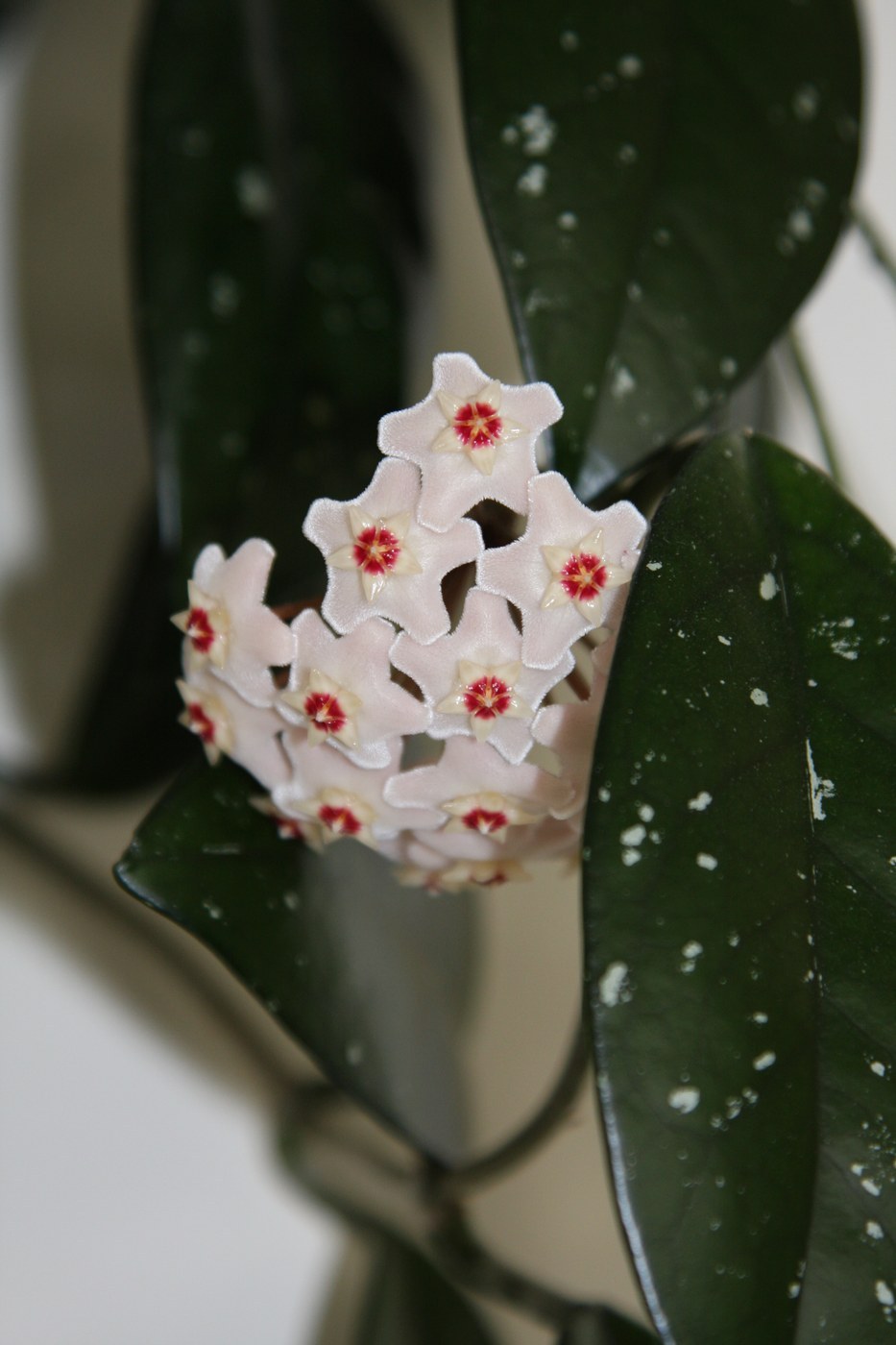
- Flowers: Flat, rounded, moth-like blooms in arching sprays, often lasting 2-4 months.
- Leaves: A few thick, leathery, oval leaves growing in a low rosette, with no main stem.
- Roots: Fleshy, silvery-green aerial roots that often spill over the pot rim.
- Growth habit: Monopodial, growing upward from a single point rather than spreading.
- Flower spike: A slender arching stem (spike) rising from between the leaves.
Care & growing
Mimic an orchid's airy, tropical roots and it will thrive.
- Light: Bright indirect light; an east window is ideal. Avoid harsh direct sun.
- Water: Water about weekly, drenching then draining fully; let roots approach dryness between waterings. Never let the pot sit in water.
- Medium: Grow in bark or sphagnum-based orchid mix, not regular potting soil, for airflow.
- Temperature: Comfortable indoor temps of 65-80 degrees F; a brief night-time drop can trigger reblooming.
- Feeding: Dilute orchid fertilizer every 2-4 weeks during active growth.
- Propagation: Sometimes produces plantlets (keikis) on spikes that can be potted up.
Habitat & origin
Moth orchids are native to the warm, humid lowland forests of Southeast Asia, the Philippines, Indonesia, and northern Australia, where they grow attached to tree trunks and branches.
In the wild they enjoy filtered light, high humidity, and constant air movement. As houseplants they are grown worldwide indoors, and in tropical climates they can be mounted on trees or grown in shade houses.
Frequently asked questions
How often should I water my orchid?
Roughly once a week, soaking the medium thoroughly and letting it nearly dry before watering again; overwatering is the most common cause of failure.
Why are my orchid's roots silver?
Healthy aerial roots look silvery-green when dry and turn bright green when watered, so silver simply means the plant is ready for water.
Will my orchid bloom again?
Yes. After flowers drop, keep caring for the plant; a cooler night spell often triggers a new spike, and you can trim the old spike above a lower node.
Should I use ice cubes to water orchids?
The ice-cube method delivers slow moisture, but room-temperature water that fully drains is gentler and more reliable for tropical orchids.
Orchid guides
In-depth guides for identifying, growing, and caring for Orchid.
How to Care for Orchid
Master Phalaenopsis orchid care: bright indirect light, weekly watering with drying roots, bark mix, and reblooming tips for months of flowers.
Orchid Identification Guide
A guide to identifying orchids by their distinctive bilateral flowers with a modified lip petal, fused column, and characteristic leaves and roots.
Orchid identified by the community
Real specimens identified with Plant Identifier.