How to Care for Pomegranate Tree
Grow a sun-loving, drought-tolerant Pomegranate in well-drained soil with full sun and moderate water for glossy leaves and vivid blooms.
Read the full Pomegranate Tree encyclopedia entry →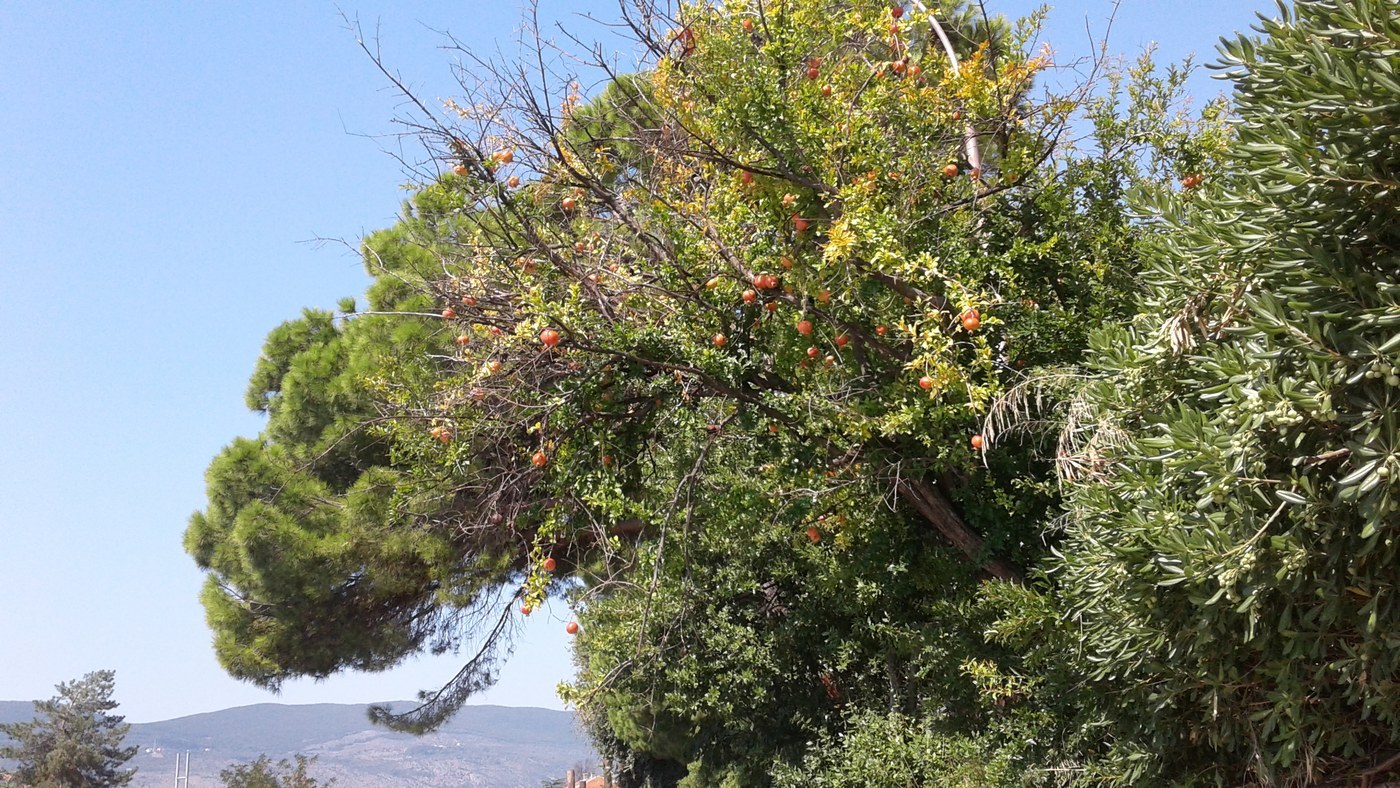
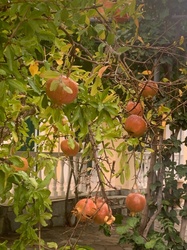
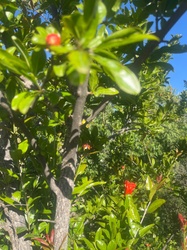
The Pomegranate (Punica granatum) is a tough, sun-loving deciduous shrub or small tree grown for its glossy foliage, brilliant orange-red flowers, and ornamental fruit. Once established it is remarkably drought-tolerant and easy to grow, thriving in hot, dry climates and adapting well to large containers.
Light
Pomegranates need full sun to flower and fruit their best. Give at least six to eight hours of direct sun daily. In too much shade, the plant grows leggy, blooms sparsely, and produces little fruit. A hot, bright, sheltered spot brings out the strongest flowering and richest leaf color.
Water
Water moderately and deeply, letting the soil dry somewhat between waterings. Young plants need regular water to establish, but mature pomegranates are notably drought-tolerant. Avoid constant wetness, which causes root problems. Erratic watering while fruit is developing can cause the fruit to split, so aim for even, deep soakings.
Soil & Potting
Pomegranates adapt to a wide range of soils but prefer well-drained ground and tolerate poor, rocky, or slightly alkaline soil. In containers, use a free-draining mix with added grit or perlite and a pot with ample drainage. Good drainage matters far more than soil richness.
Humidity & Temperature
This is a warm-climate plant that loves heat and low humidity. It handles high summer temperatures easily. Many varieties are deciduous and tolerate light winter frost once established, though hard freezes can damage top growth. In cold regions, grow it in a pot and shelter it over winter.
Feeding
Feed lightly. A balanced fertilizer in early spring and again in late spring supports healthy growth and flowering. Avoid overfeeding with nitrogen, which encourages lush leaves at the expense of blooms and fruit. Container plants benefit from occasional feeding through the growing season.
Propagation
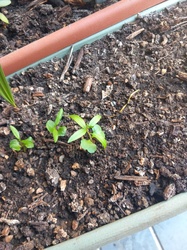
Pomegranates root readily from hardwood cuttings taken in winter or softwood cuttings in summer. They can also be grown from seed, though seedlings vary and take longer to flower. Named varieties are best propagated from cuttings to preserve their characteristics.
Repotting / Pruning
Repot container specimens every two to three years in early spring. Prune in late winter while dormant to shape the plant, remove dead or crossing wood, and thin the interior for light and air. Removing excess suckers from the base keeps a single-trunk or tidy multi-stem form.
Common Problems & Pests
Generally trouble-free, pomegranates may attract aphids, whiteflies, and scale; treat with insecticidal soap or horticultural oil. Fruit splitting results from uneven watering. Leaf spot and root rot appear in poorly drained, overly wet soil, so prioritize drainage and steady moisture.
Seasonal Care Tips
In spring, prune while dormant, feed, and resume regular watering as growth begins. Through summer, enjoy peak flowering and provide deep, even water while fruit develops. In fall, expect leaf drop as the plant goes dormant. In winter, protect potted or young plants from hard frost and keep the soil barely moist.
Frequently asked questions
Why isn't my Pomegranate flowering?
The most common cause is too little sun or too much nitrogen fertilizer. Ensure at least six to eight hours of direct sun daily and avoid heavy feeding, which pushes leafy growth over blooms. Young plants may also need a few years to mature before flowering well.
How much water does a Pomegranate need?
Water moderately and deeply, letting the soil dry somewhat between waterings. Established plants are drought-tolerant, but keep watering even while fruit develops to prevent splitting.
Can I grow a Pomegranate in a container?
Yes. Pomegranates adapt well to large pots with free-draining soil and good drainage holes, making it easy to shelter them over winter in cold climates.
When should I prune a Pomegranate Tree?
Prune in late winter while the plant is dormant. Shape the plant, remove dead or crossing branches, thin the interior for light and air, and cut away excess suckers at the base.
Pomegranate Tree identified by the community
Recent Pomegranate Tree specimens identified with Plant Identifier.