Pomegranate Tree
Punica granatum
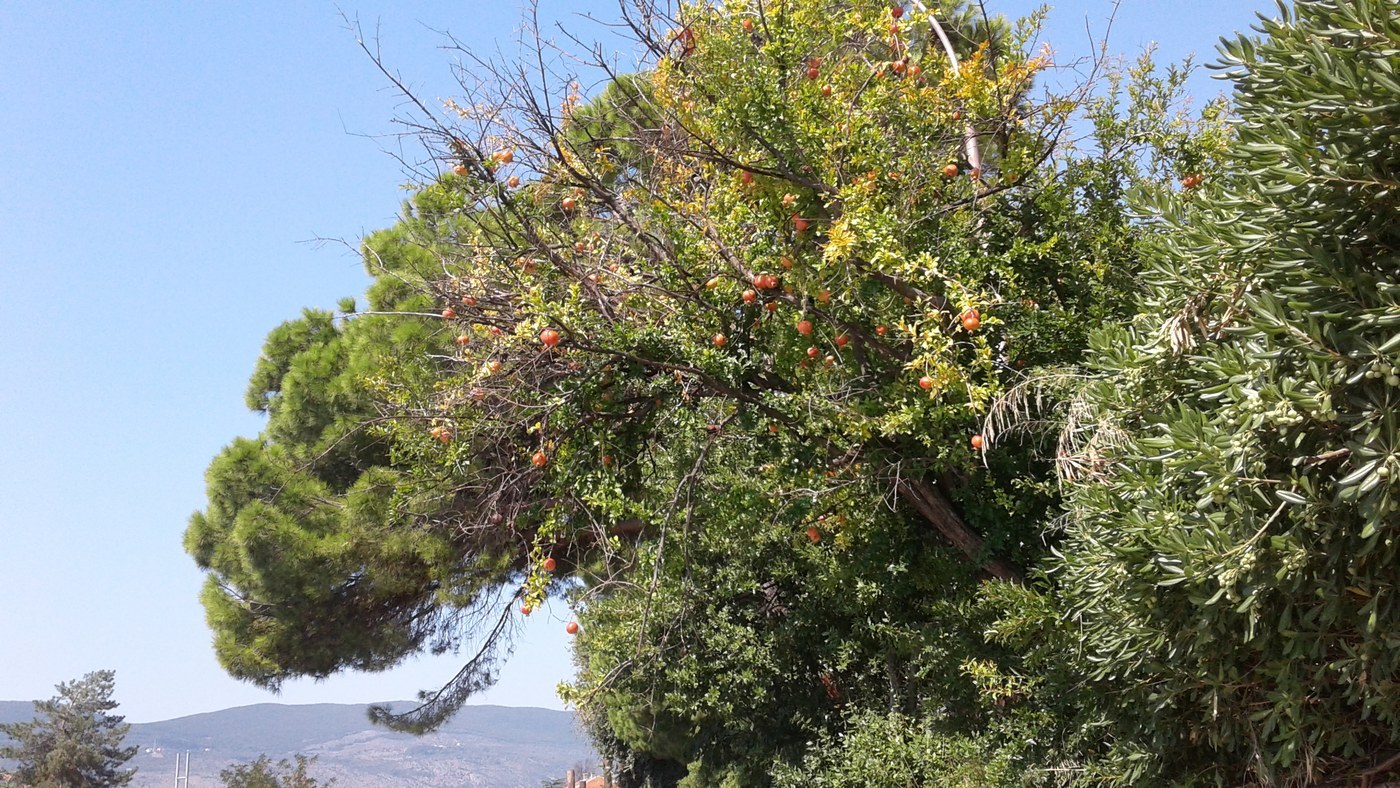
The pomegranate is a deciduous fruiting shrub or small tree grown for its leathery-skinned fruit and showy orange-red flowers. It is hardy, drought-tolerant, and long-lived.
- Light
- Full sun
- Water
- Moderate; drought-tolerant once established
- Difficulty
- Easy
Got a plant like this?
Identify any plant from a photo, free.
Overview
Punica granatum is a deciduous shrub or small tree, often multi-stemmed, grown for thousands of years and valued as both an ornamental and a fruiting plant.
Pomegranates are tough and adaptable—tolerant of heat, drought, and poor soils—and reward gardeners with brilliant trumpet-shaped flowers in summer and decorative fruit in fall. Dwarf forms are popular ornamentals and bonsai subjects.
How to identify it
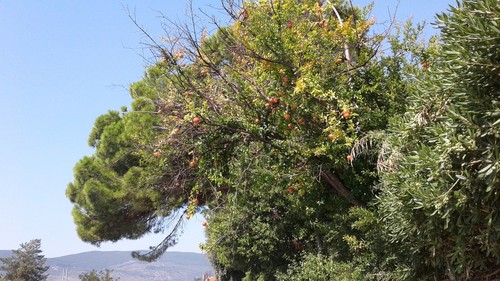
- Bushy, multi-stemmed deciduous shrub/small tree, 6-20 ft, sometimes thorny
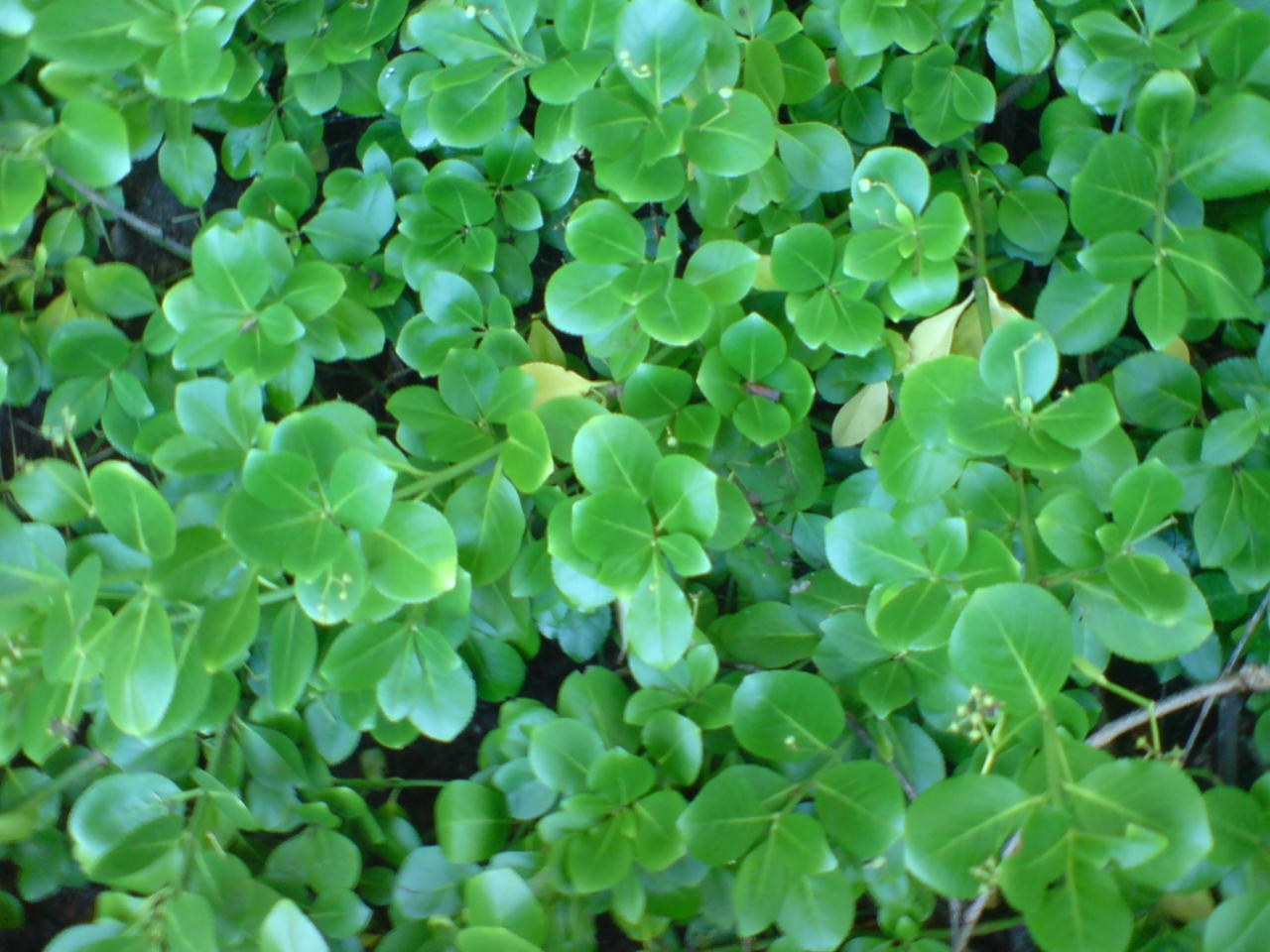
- Glossy, narrow, oblong leaves, bronze when young, bright yellow in fall
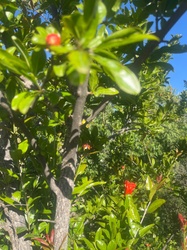
- Showy, funnel-shaped orange-red flowers with crinkled petals and a thick waxy calyx
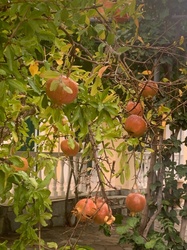
- Round, leathery-skinned fruit crowned with a persistent calyx, containing seeds surrounded by fleshy arils
- Smooth gray-brown bark on twisting branches
Care & growing
Light: Full sun for best flowering and fruiting.
Water: Moderate; drought-tolerant once established, but consistent water improves fruit set (erratic water can split fruit).
Soil: Tolerates poor, even alkaline soils, but prefers well-drained loam.
Temperature: Hardy in zones 7-10; tolerates heat well and survives brief cold to about 10°F.
Feeding: Light feeding; over-fertilizing reduces fruiting.
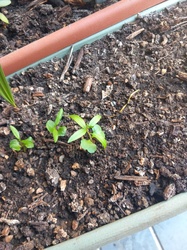
Propagation: Easy from hardwood cuttings; also from seed (variable).
Habitat & origin
Native to the region from Iran to northern India, the pomegranate has been cultivated since ancient times across the Mediterranean, Middle East, and Central Asia.
Today it is grown in India, Iran, the Mediterranean basin, and the warmer parts of the United States (California, the Southwest). It thrives in hot, dry summer climates.
Frequently asked questions
Does a pomegranate need full sun?
Yes—abundant sun and summer heat are key to good flowering and well-developed fruit.
Why is my pomegranate fruit splitting?
Fruit splits from irregular watering—often heavy rain or irrigation after a dry spell. Keep soil moisture more consistent as fruit ripens.
Can pomegranates grow in containers?
Yes—dwarf varieties especially do well in pots, can be moved indoors in cold winters, and are even used for bonsai.
How long until a pomegranate fruits?
Plants often begin fruiting in 2-3 years, with full productivity by about 5 years.
Pomegranate Tree guides
In-depth guides for identifying, growing, and caring for Pomegranate Tree.
How to Care for Pomegranate Tree
Grow a sun-loving, drought-tolerant Pomegranate in well-drained soil with full sun and moderate water for glossy leaves and vivid blooms.
Pomegranate Tree Identification Guide
Identify the pomegranate tree (Punica granatum) by its glossy narrow leaves, often-thorny twigs, vivid orange-red tubular flowers, and round leathery fruit crowned with a persistent calyx full of seedy arils.
Pomegranate Tree identified by the community
Real specimens identified with Plant Identifier.