Potentilla Identification Guide
How to identify shrubby potentilla by its small palmate leaflets and abundant five-petaled buttercup-like yellow, white, or pink flowers.
Read the full Potentilla encyclopedia entry →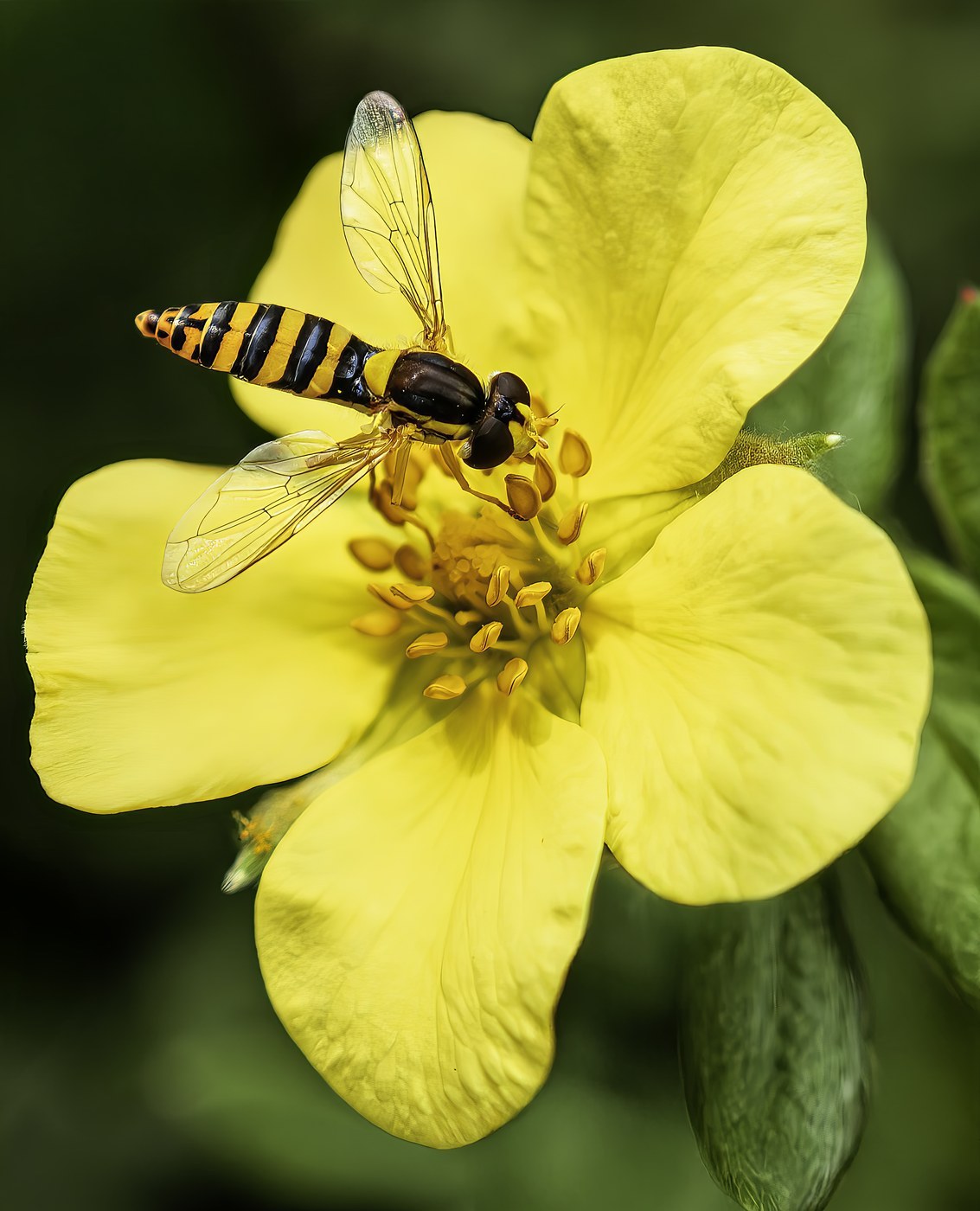
Key Identifying Features
Shrubby potentilla, or cinquefoil (Potentilla fruticosa, syn. Dasiphora fruticosa), is a small, twiggy, deciduous shrub that blooms for months with abundant flat, five-petaled flowers resembling little wild roses or buttercups, most often bright yellow (also white, cream, orange, or pink in cultivars). It forms a dense, rounded mound 1-3 feet tall with small compound leaves of narrow leaflets. (Note: many herbaceous Potentilla species exist too, but the common garden shrub is P. fruticosa.)
- Five-petaled, saucer-shaped flowers with many stamens, blooming all summer
- Small palmately compound leaves, usually 5 (3-7) narrow leaflets
- Dense, mounded twiggy shrub
- Shreddy reddish-brown bark
Leaves & Stems
Leaves are alternate and palmately (or pinnately) compound, with 5 (sometimes 3-7) small, narrow, oblong leaflets, each about 1/2-1 inch long, gray-green to bright green, often with a slightly silky or hairy surface and inrolled margins. 'Cinquefoil' means 'five leaves', referring to the typical five leaflets. Stems are slender, much-branched, and clothed in thin, shreddy, reddish-brown bark that peels with age. The fine-textured foliage on a low mound is distinctive.
Flowers & Fruit
From late spring through frost, potentilla is covered in flat, round flowers about 1 inch across with five rounded petals and a central boss of many yellow stamens—structurally like a single wild rose (it's in the rose family). Wild and most common forms are buttercup-yellow; cultivars add white, cream, gold, apricot, and pink. The long, nonstop bloom is a key trait. Fruits are tiny, dry, brownish achenes in a small cluster—no showy berries.
How to Tell It Apart from Look-Alikes
- Cinquefoil weeds (herbaceous Potentilla): similar five-petaled yellow flowers but low creeping herbs, not woody shrubs.
- Buttercups (Ranunculus): glossy yellow five-petaled flowers but lobed, not compound, leaves and herbaceous stems.
- Shrubby St. John's wort (Hypericum): yellow flowers but opposite simple leaves and bushy stamens differently arranged.
- Rock roses (Helianthemum): five-petaled but simple opposite leaves.
The woody mound + small 5-leaflet compound leaves + nonstop five-petaled flowers confirm shrubby potentilla.
Where You'll Find It
Potentilla fruticosa is native across cool-temperate and subarctic regions of the Northern Hemisphere (North America, Europe, Asia), growing in meadows, rocky slopes, and moist tundra. It is extremely cold-hardy and is widely planted as a low, long-blooming foundation, border, and mass shrub in full sun and well-drained soil.
Quick ID Checklist
- Low, dense, twiggy deciduous shrub, 1-3 ft
- Small palmate leaves with ~5 narrow leaflets
- Five-petaled flat flowers (yellow most common), all summer
- Many stamens in the flower center (rose-family look)
- Shreddy reddish bark; no berries
Frequently asked questions
Why is potentilla called cinquefoil?
Cinquefoil means 'five leaves,' referring to the typical five small leaflets of each compound leaf. Spotting the palmate leaf with about five narrow leaflets is a key way to confirm the plant.
Is the shrub the same as the weedy cinquefoils in lawns?
They share the genus Potentilla and similar five-petaled yellow flowers, but the garden shrub (P. fruticosa) is woody and mound-forming, while common lawn cinquefoils are low, spreading herbaceous weeds.
How do I tell potentilla from St. John's wort?
Both can have yellow five-petaled flowers, but potentilla has alternate compound leaves with several narrow leaflets, while shrubby St. John's wort has simple, opposite leaves. Leaf arrangement separates them quickly.
How long does potentilla bloom?
Shrubby potentilla is prized for blooming almost continuously from late spring until frost, far longer than most shrubs. A low mound covered in five-petaled flowers all season is a strong ID clue.
Potentilla identified by the community
Recent Potentilla specimens identified with Plant Identifier.