Potentilla
Potentilla fruticosa
A small, tough deciduous shrub that blooms nonstop from late spring to frost with cheerful yellow, white, pink, or orange flowers. Cold-hardy and undemanding, it suits borders, edging, and harsh sites.
- Light
- Full sun
- Water
- Low to medium; drought-tolerant
- Difficulty
- Easy
Got a plant like this?
Identify any plant from a photo, free.
Overview
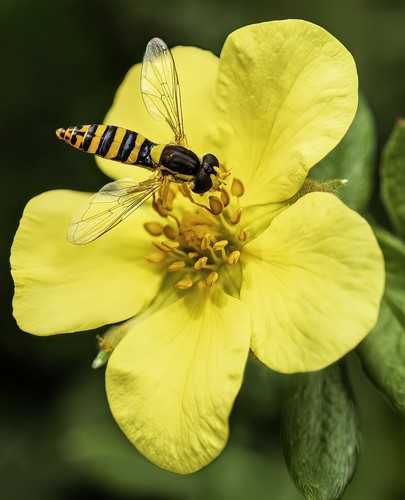
Shrubby cinquefoil is a compact, mounded deciduous shrub renowned for one of the longest bloom seasons of any hardy shrub, flowering steadily from early summer until autumn frost. Its small five-petaled flowers resemble tiny wild roses, to which it is related.
The wild form is yellow, but cultivars offer white, pink, orange, and red shades. Foliage is small and finely divided, giving a soft, fine-textured look that suits low hedges, edging, and mixed borders.
Extremely cold-hardy and tolerant of poor, dry soil, wind, and cold, potentilla is one of the most reliable low-maintenance flowering shrubs for tough northern gardens.
How to identify it
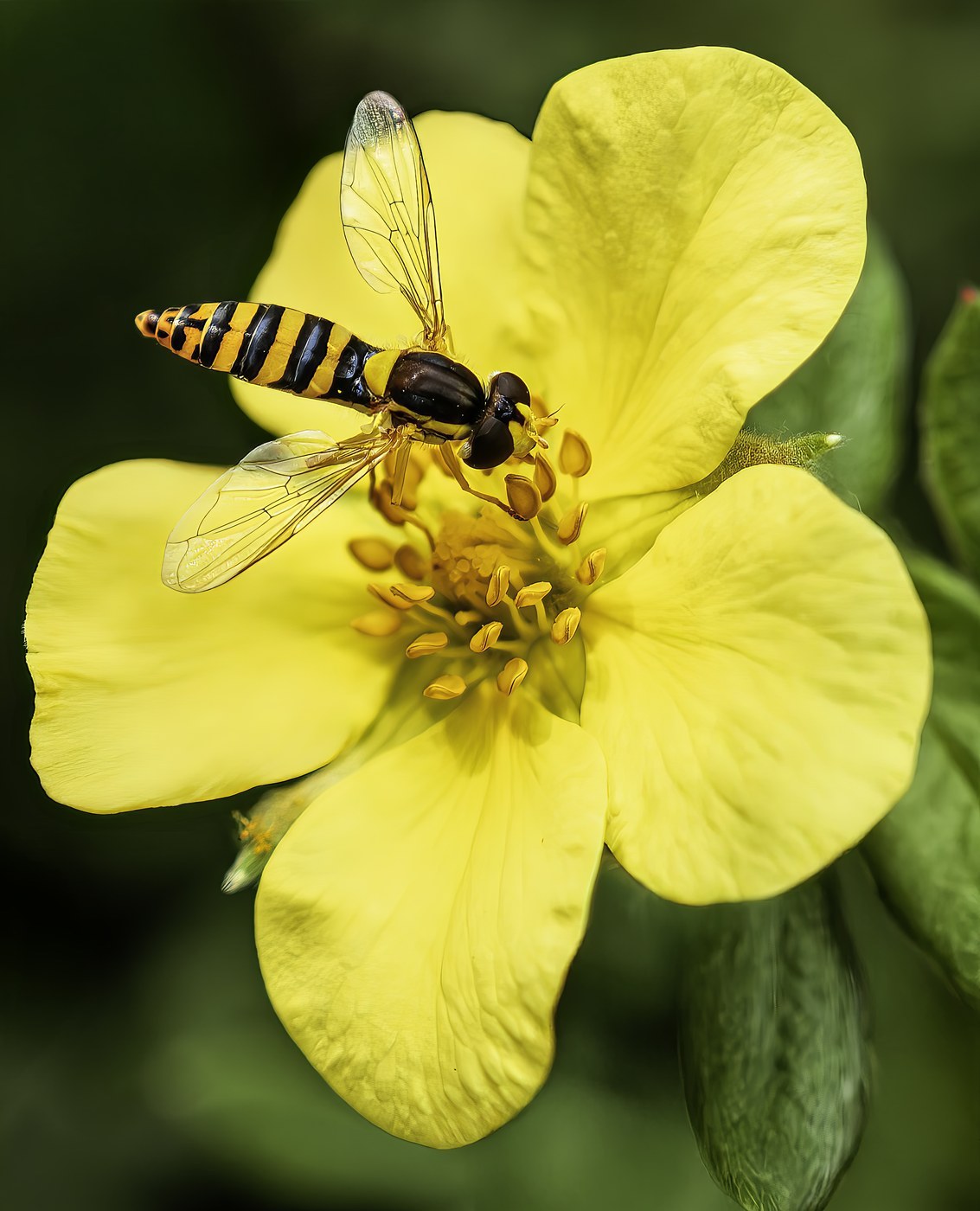
- Flowers: Small (about 1 in), five-petaled, saucer-shaped blooms in yellow, white, pink, orange, or red, produced continuously from late spring to fall
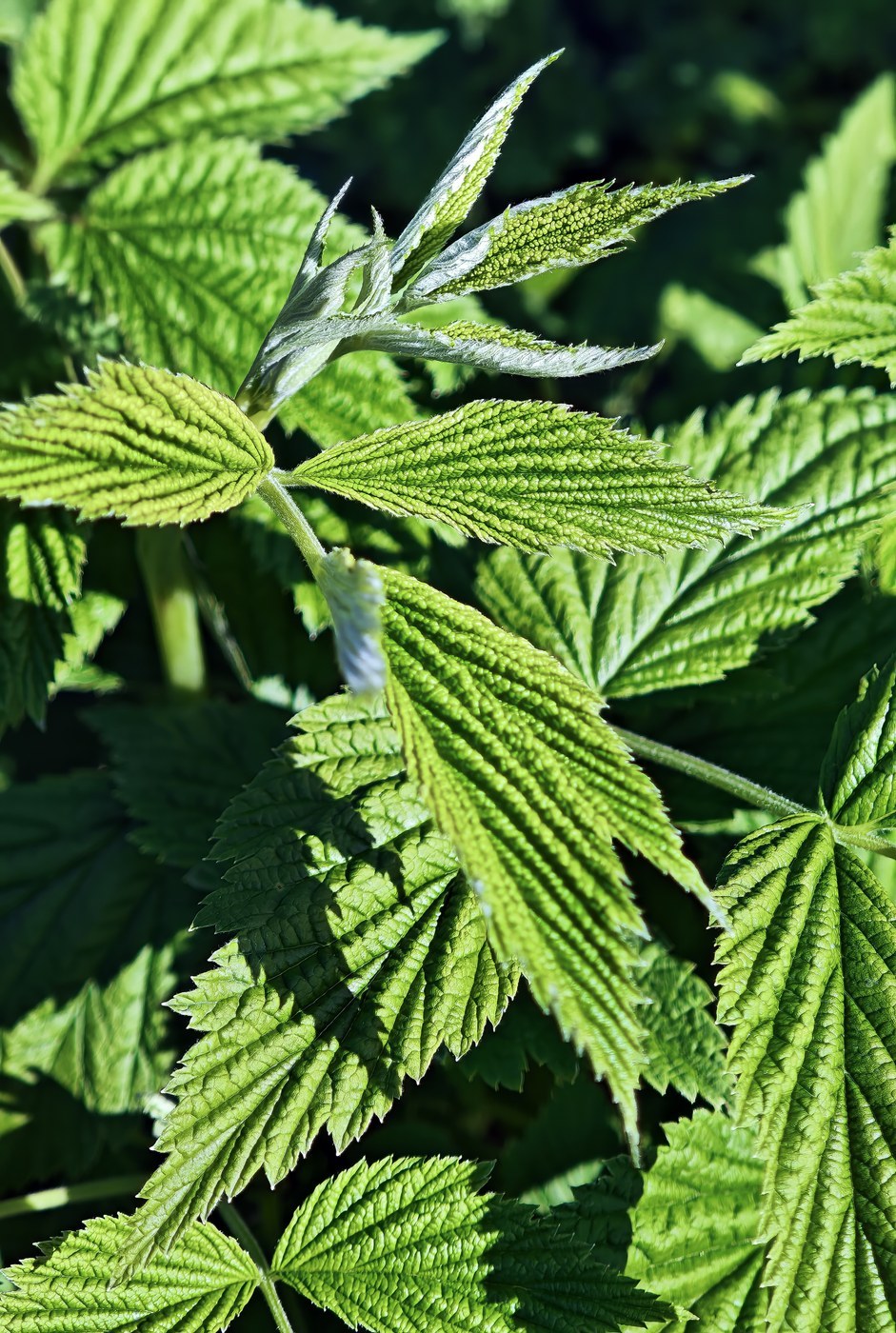
- Leaves: Small, compound, divided into 5 (sometimes 3-7) narrow gray-green leaflets, giving a fine texture
- Habit: Dense, twiggy, rounded, mounding shrub typically 1-4 ft tall and wide
- Bark: Thin, shreddy, reddish-brown on older stems
Care & growing
Light: Full sun for the most flowers; pastel cultivars may fade in intense heat, where light afternoon shade helps.
Water: Drought-tolerant once established; water during prolonged dry spells.
Soil: Tolerates poor, dry, rocky, and alkaline soils; needs good drainage.
Temperature: Exceptionally cold-hardy, roughly USDA zones 2-7.
Feeding: Minimal; tolerates lean soils.
Pruning: Shear lightly in early spring to keep dense; older plants benefit from removing a third of the oldest stems to renew.
Propagation: From softwood or hardwood cuttings.
Habitat & origin
Potentilla fruticosa has a wide circumpolar range across the cooler regions of the Northern Hemisphere, including North America, Europe, and Asia. It grows in meadows, on rocky slopes, in damp grasslands, and on mountains, tolerating exposed, harsh conditions.
It is widely planted in cold-climate gardens for low hedges, borders, foundation plantings, and difficult sites.
Frequently asked questions
How long does potentilla bloom?
It is one of the longest-blooming hardy shrubs, flowering steadily from late spring or early summer until the first hard frost.
Why are my potentilla flowers fading?
Pink, orange, and red cultivars can bleach in hot sun. Planting them where they get a little afternoon shade in hot climates helps preserve the color; yellow forms hold up best.
How do I keep potentilla from getting woody?
Shear it lightly each spring and remove some of the oldest stems every few years to keep growth dense and flowering strong.
Is potentilla deer resistant?
It is generally considered fairly deer resistant and is a tough, low-maintenance choice for difficult sites.
Potentilla guides
In-depth guides for identifying, growing, and caring for Potentilla.
How to Care for Potentilla
Grow Potentilla (Potentilla fruticosa), a tough, long-blooming deciduous shrub covered in cheerful buttercup-like flowers all summer.
Potentilla Identification Guide
How to identify shrubby potentilla by its small palmate leaflets and abundant five-petaled buttercup-like yellow, white, or pink flowers.
Potentilla identified by the community
Real specimens identified with Plant Identifier.