How to Care for Prostrate Spurge
Grow prostrate spurge (Euphorbia maculata), a tough, ground-hugging annual that thrives in full sun and dry, poor soils.
Read the full Prostrate Spurge encyclopedia entry →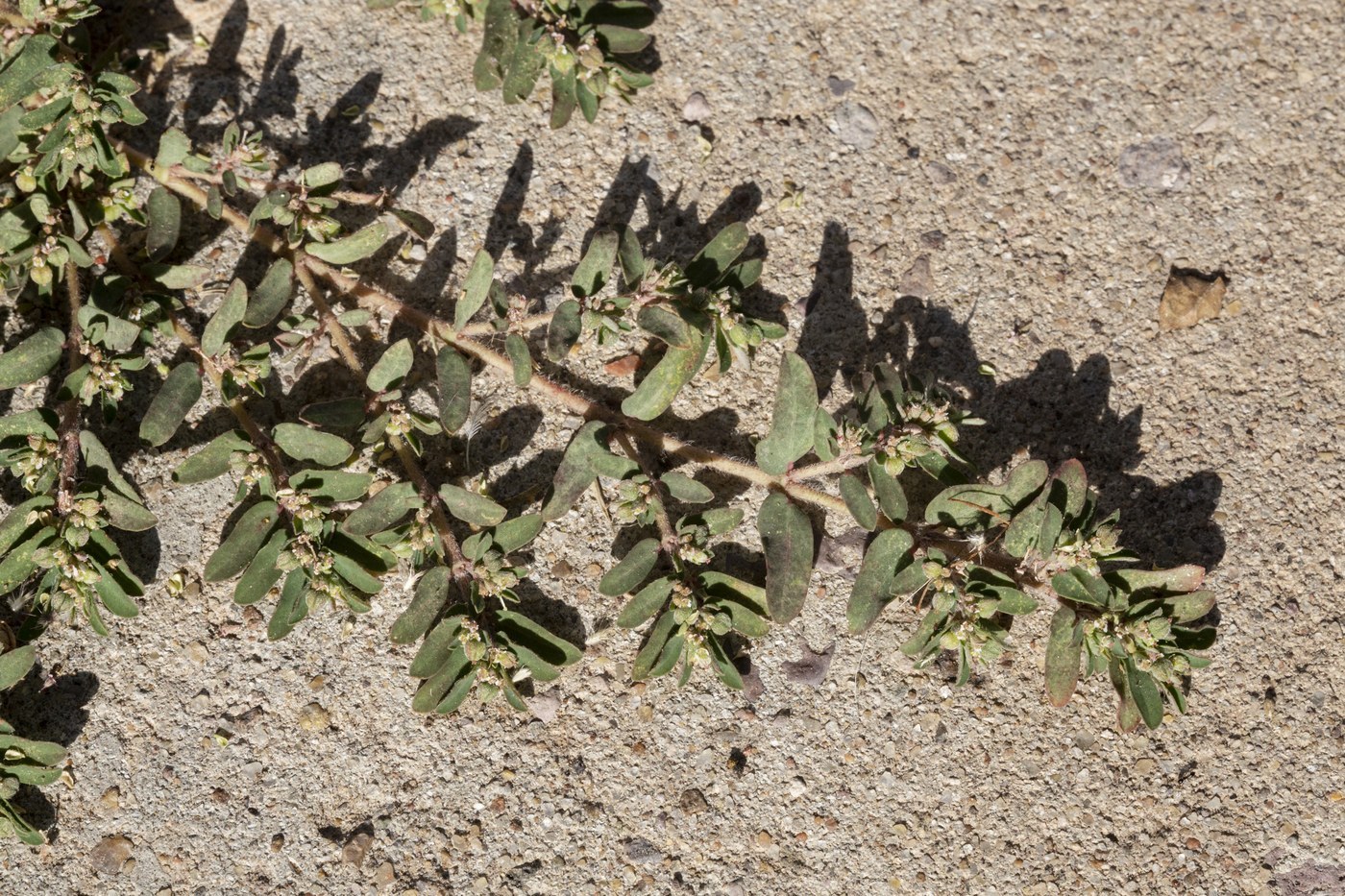
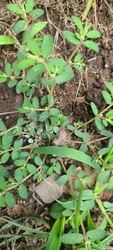
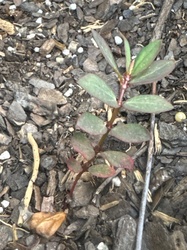
Prostrate spurge (Euphorbia maculata) is a low, mat-forming annual that spreads flat against the ground with small, paired leaves and a milky sap in its stems. It is one of the easiest plants to keep alive because it actually prefers hot, dry, neglected conditions that defeat fussier plants.
Light
Give prostrate spurge full sun. It germinates and grows most vigorously in bright, open, unshaded spots and will stay compact and dense in strong light. In shade the stems stretch, thin out, and the mat becomes sparse, so choose the brightest position available.
Water
This is a very drought-tolerant plant. Once seedlings are established it needs essentially no supplemental water and resents soggy conditions. Let the soil dry fully between any waterings; in most climates natural rainfall is more than enough. Overwatering is the main way to weaken it.
Soil & Potting
Prostrate spurge is unfussy and actually favors lean, gritty, fast-draining soil. It colonizes gravel, cracks in paving, sandy beds, and compacted ground. If growing it deliberately in a container, use a cactus or succulent mix, or amend standard potting soil heavily with coarse sand or perlite so water drains freely.
Humidity & Temperature
It is a warm-season plant that thrives in heat and tolerates high midsummer temperatures with ease. It has no humidity requirements and does equally well in dry air. Growth slows and the plant dies back with the first frosts, completing its annual life cycle.
Feeding
No feeding is necessary. Prostrate spurge grows well in nutrient-poor soils, and added fertilizer simply encourages leggy, weaker growth. Skip fertilizer entirely for this species.
Propagation
It reproduces prolifically from seed, self-sowing freely wherever bare warm soil is available. Seeds germinate through the warm months with no special treatment. Because it seeds so readily, it rarely needs any deliberate propagation effort and can spread on its own if allowed.
Repotting / Pruning
As a spreading annual it is not typically potted long-term or pruned. If it wanders beyond where you want it, simply pull or trim back the trailing stems. Removing plants before they set seed limits how far it spreads the following season.
Common Problems & Pests
Prostrate spurge is remarkably trouble-free and pest-resistant. The main issue for gardeners is its vigor: it can spread quickly across open ground and outcompete slower plants. Root rot from persistently wet soil is the only real cultural failure. Otherwise it shrugs off heat, drought, and poor soil.
Seasonal Care Tips
Expect it to appear and grow through spring and summer, peaking in the hottest months, then fade at frost. If you want to control its spread, remove plants in mid to late summer before seeds mature. In deliberate plantings, no winter care is needed since the annual plants die back naturally.
Frequently asked questions
Why is my prostrate spurge growing thin and stretched out?
It is not getting enough light. This plant needs full sun to stay dense and flat; in shade the stems elongate and the mat becomes sparse. Move it to the brightest spot you have.
How often should I water prostrate spurge?
Almost never once established. It is very drought-tolerant and prefers dry soil, so let the ground dry completely between waterings and rely mostly on rainfall.
Does prostrate spurge need fertilizer?
No. It thrives in poor, lean soils, and feeding only produces weak, leggy growth. Skip fertilizer entirely.
How does prostrate spurge spread?
It self-sows freely from seed across warm, bare soil. To limit its spread, pull or trim the plants before they set seed in mid to late summer.
Prostrate Spurge identified by the community
Recent Prostrate Spurge specimens identified with Plant Identifier.