How to Care for Rose
Roses reward full sun, deep regular watering, and thoughtful pruning with abundant fragrant blooms; learn the essentials of feeding, soil, and pest care.
Read the full Rose encyclopedia entry →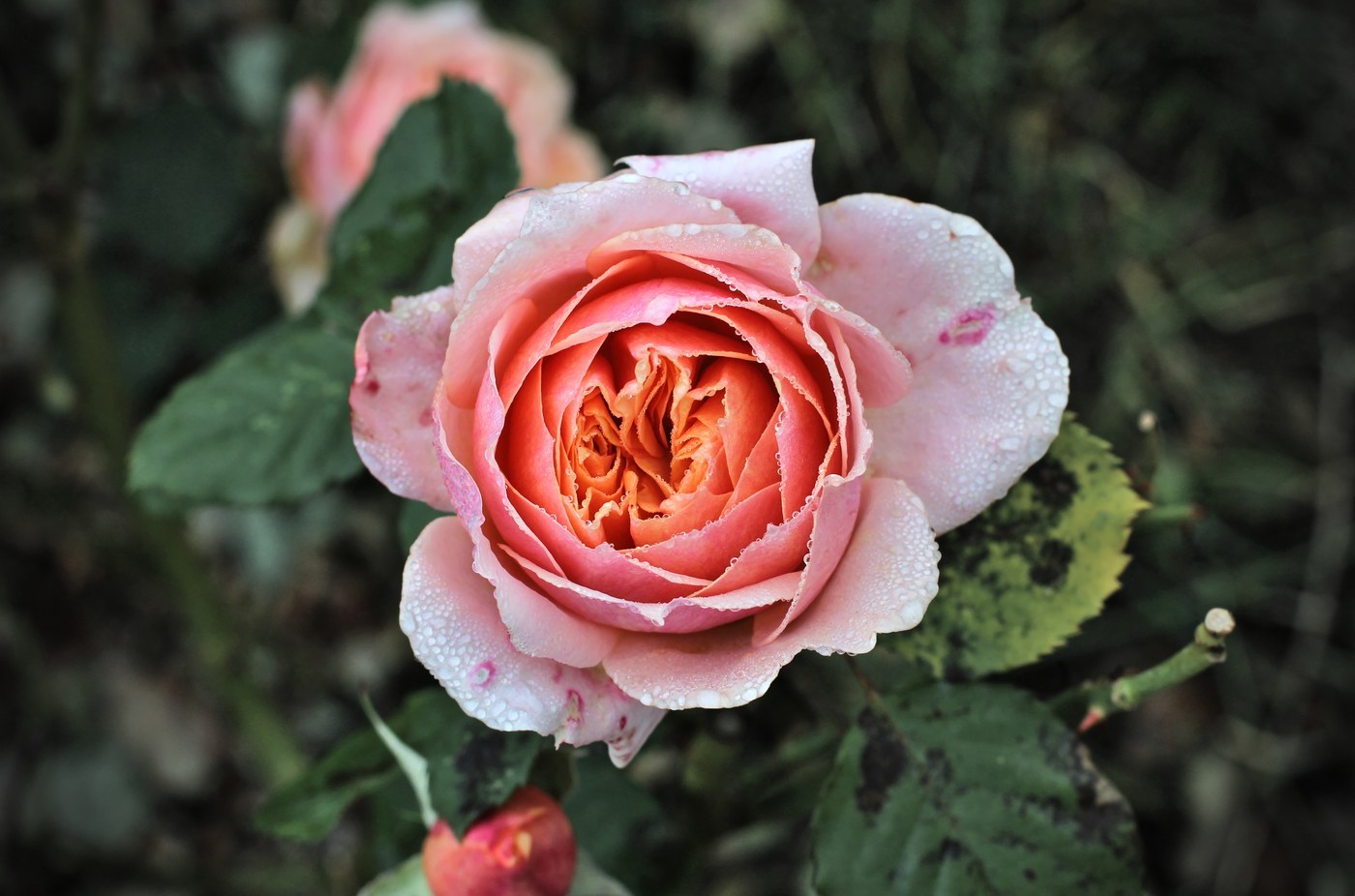
Roses (Rosa) are among the most beloved and diverse of all ornamental shrubs, ranging from compact bedding types to towering climbers and old garden shrubs. With full sun, fertile soil, steady moisture, and seasonal pruning, they deliver repeat flushes of fragrant, colorful blooms throughout the growing season.
Light
Roses need full sun, at least six hours of direct light daily and ideally more. Abundant sunlight drives strong growth, heavy flowering, and good disease resistance. Morning sun is especially valuable because it dries dew from the foliage early, reducing fungal problems. Roses grown in too much shade become leggy, bloom poorly, and are far more prone to mildew and blackspot.
Water
Water deeply one to two times weekly rather than shallowly and often, encouraging roots to grow down. Aim for the equivalent of deep soaking that reaches the root zone, adjusting for heat, soil type, and rainfall. Water at the base and keep foliage dry to limit fungal disease; soaker hoses and early-morning watering are ideal. Newly planted and container roses need more frequent attention. Mulch conserves moisture and moderates soil temperature.
Soil & Potting
Roses prefer fertile, well-drained loam rich in organic matter, with a slightly acidic to neutral pH (about 6.0-6.8). Work in plenty of compost or well-rotted organic matter at planting. Good drainage is essential, as roses dislike waterlogged roots. For containers, choose a large, deep pot with excellent drainage and a rich, loam-based mix, and plant so the graft union sits at the appropriate depth for your climate.
Humidity & Temperature
Most roses are hardy temperate shrubs that go dormant in winter and flower in the warmth of spring through autumn. They tolerate a wide range of conditions but dislike stagnant, humid air around the foliage, which fosters disease, so good spacing and airflow matter. In very cold regions, protect the graft union with mounded soil or mulch over winter; in hot climates, extra water and afternoon relief help during peak heat.
Feeding
Roses are hungry plants that flower best with regular feeding. Begin in early spring as growth resumes with a balanced rose fertilizer, and repeat through the growing season according to the product's schedule, tapering off in late summer so new growth hardens before winter. Supplement with compost and organic matter. Well-fed roses produce more blooms, stronger stems, and better disease resistance.
Propagation
Roses are commonly propagated from hardwood cuttings taken in autumn or semi-hardwood cuttings in summer, inserted into a gritty rooting medium. Many named varieties are budded or grafted onto vigorous rootstocks for best performance. Layering is another reliable home method for suitable types. Seed propagation is used mainly for breeding, as seedlings do not come true to the parent.
Repotting / Pruning
Pruning is central to rose care. In late winter or early spring, remove dead, damaged, diseased, and crossing wood, then cut back to shape and encourage strong new growth, cutting just above outward-facing buds. Different classes need different approaches: hybrid teas are pruned harder, shrub and climbing roses more lightly with attention to their framework. Deadhead spent blooms through the season to prolong flowering. Repot container roses every couple of years into fresh, rich mix, refreshing the top layer annually.
Common Problems & Pests
Roses are prone to several familiar issues. Blackspot causes dark spots and yellowing leaves, powdery mildew coats new growth in white bloom, and rust produces orange pustules beneath leaves; all are worsened by wet foliage and poor airflow, so water at the base, space plants well, and clear fallen leaves. Aphids cluster on buds and shoots, while thrips, spider mites, and rose sawfly can also appear. Choose disease-resistant varieties, keep plants vigorous and well-fed, and maintain good hygiene to minimize trouble.
Seasonal Care Tips
In late winter to early spring, prune and begin feeding as growth breaks. Through spring and summer, water deeply, feed on schedule, deadhead regularly, and watch for pests and disease. In late summer, ease off feeding to let growth harden. In autumn, reduce watering, tidy fallen foliage, and take cuttings. In winter, protect the graft union in cold climates and allow the plant its dormant rest.
Frequently asked questions
How often and how much should I water roses?
Water deeply one to two times a week rather than little and often, soaking the root zone so roots grow downward. Increase frequency in heat and for new or container roses, water at the base to keep foliage dry, and mulch to hold moisture.
When should I prune my roses?
Prune in late winter or early spring as growth resumes. Remove dead, damaged, diseased, and crossing wood, then shape the plant, cutting just above outward-facing buds. Deadhead spent blooms through the season to encourage more flowers.
How do I prevent blackspot and powdery mildew on roses?
Grow roses in full sun with good airflow, water at the base to keep leaves dry, and space plants so they don't crowd. Clear fallen leaves, keep plants well-fed and vigorous, and choose disease-resistant varieties to reduce these common fungal problems.
Do roses need a lot of sun?
Yes. Roses need full sun, at least six hours of direct light daily and preferably more. Morning sun is best because it dries dew quickly and reduces disease. In shade they grow leggy, bloom poorly, and become more prone to mildew and blackspot.
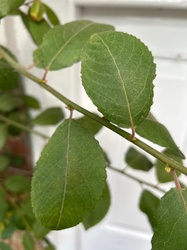
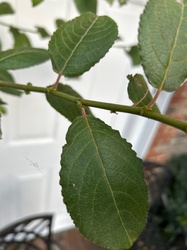
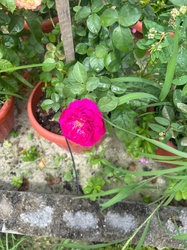
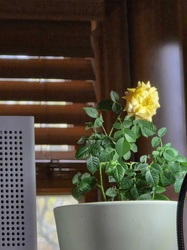
Rose identified by the community
Recent Rose specimens identified with Plant Identifier.