Rose
Rosa
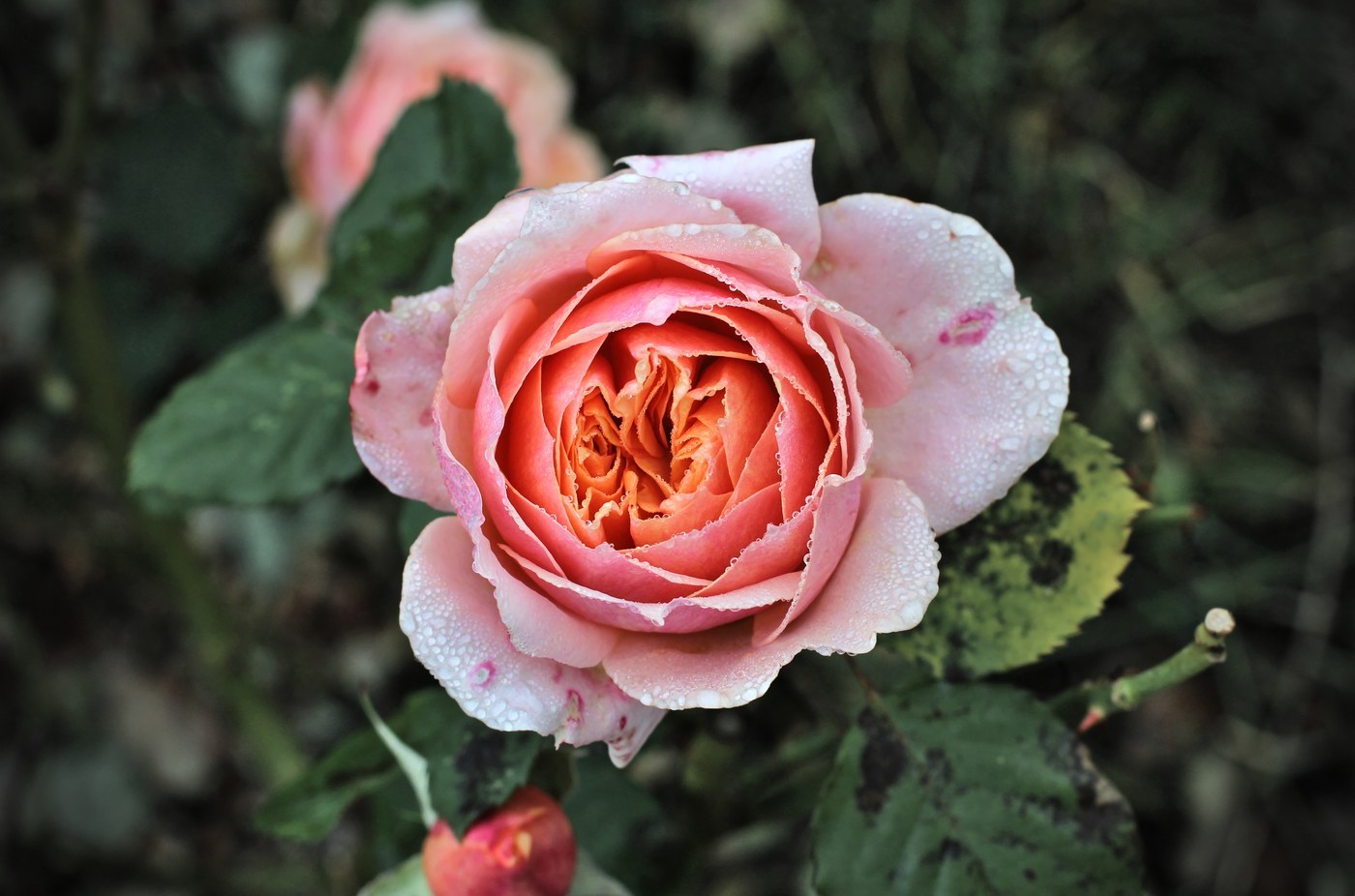
The rose is the world's most beloved flowering shrub, a thorny perennial grown for thousands of years for its fragrant, many-petaled blooms in nearly every color but true blue.
- Light
- Full sun
- Water
- Deeply 1-2 times weekly
- Difficulty
- Moderate
Got a plant like this?
Identify any plant from a photo, free.
Overview
The rose is among the most cherished and culturally significant flowering plants on Earth, cultivated for over 5,000 years. The genus Rosa contains hundreds of wild species and tens of thousands of cultivated varieties.
From climbing ramblers to compact hybrid teas, roses are woody, often thorny shrubs grown for their showy, frequently fragrant flowers. They are a centerpiece of ornamental gardens worldwide and carry deep symbolic meaning, especially of love and beauty.
How to identify it
Identify roses by:
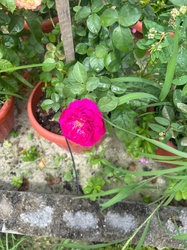
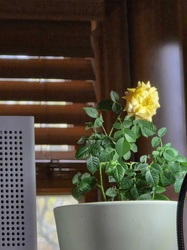
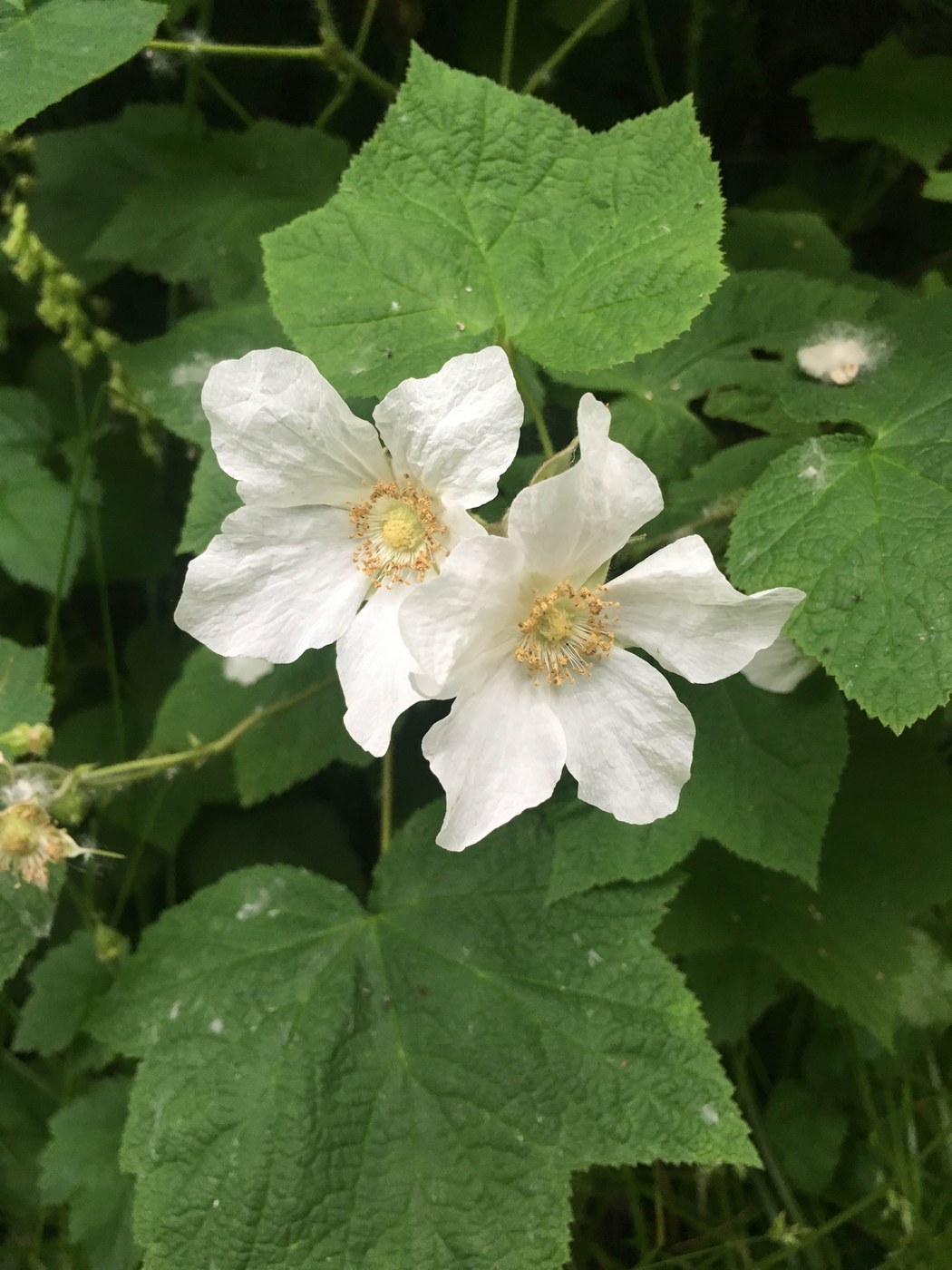
- Flowers: showy, with five petals in wild species to dozens in cultivated doubles; nearly every color but true blue
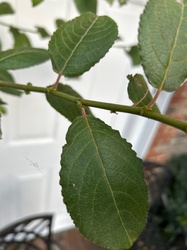
- Stems: woody, usually armed with curved thorns (technically prickles)
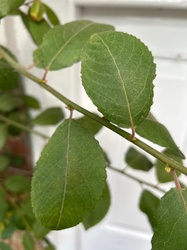
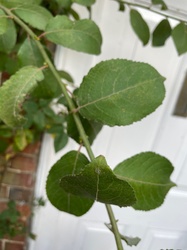
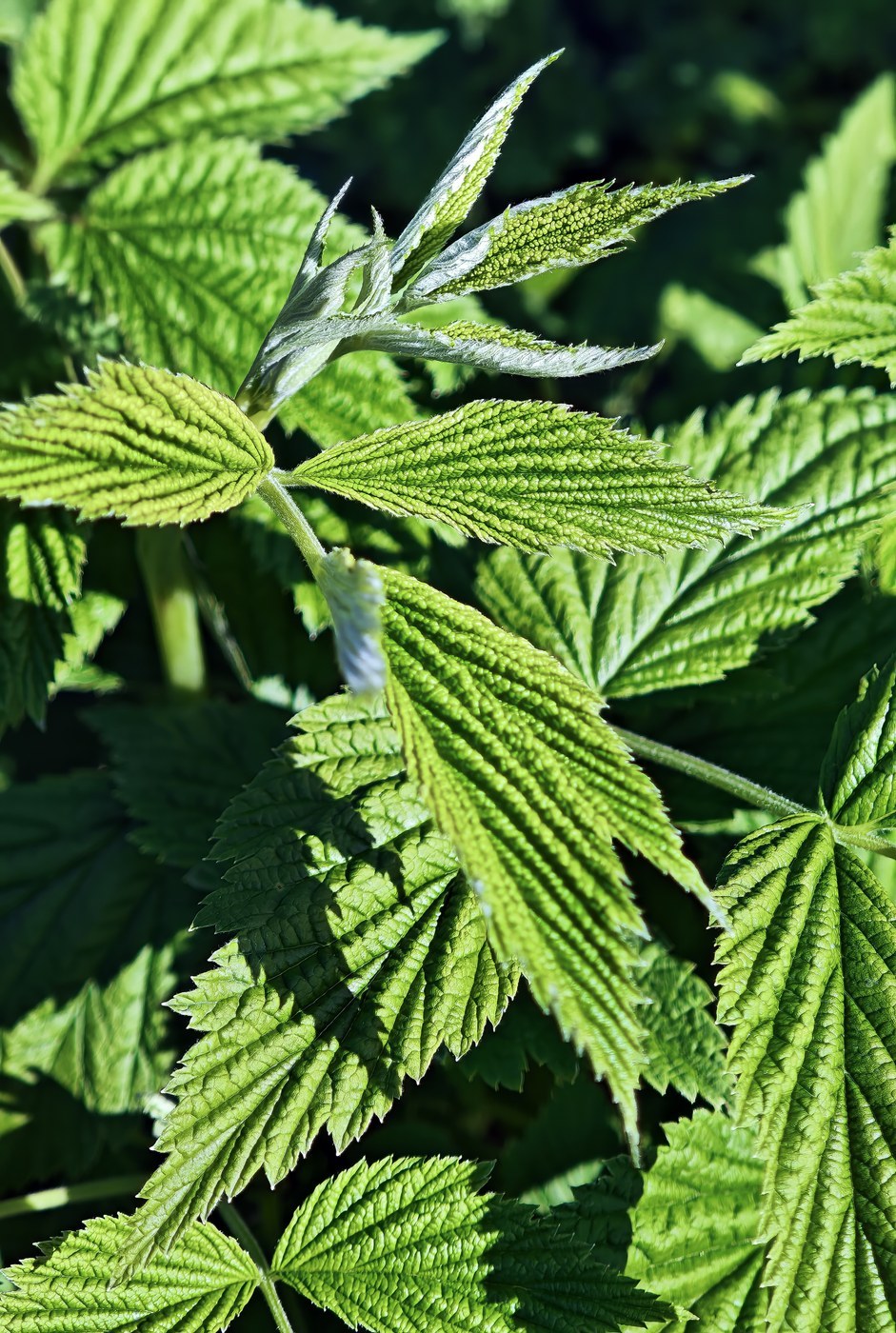
- Leaves: pinnately compound, typically 5-7 toothed leaflets, often glossy
- Habit: ranges from low groundcovers and shrubs to tall climbers
- Fruit: rounded red to orange hips after flowering
Care & growing
Light: Full sun, at least 6 hours daily, for the best flowering and disease resistance.
Water: Deep watering one to two times weekly at the base; avoid wetting foliage to reduce fungal disease.
Soil: Rich, well-draining loam with plenty of organic matter; slightly acidic to neutral.
Temperature: Most garden roses are hardy perennials; many tolerate cold winters with protection.
Feeding: Regular feeding through the growing season supports repeat blooming.
Propagation: From cuttings, grafting/budding, or (for species) seed. Prune in late winter to shape and encourage blooms.
Habitat & origin
Wild roses are native across the temperate Northern Hemisphere, including Asia, Europe, North America, and northwest Africa, with the greatest species diversity in Asia.
Cultivated roses are grown around the world in gardens, parks, and commercial flower farms, with major production for cut flowers in countries such as Ecuador, Kenya, and the Netherlands.
Frequently asked questions
How much sun do roses need?
At least 6 hours of direct sun daily. More sun means more blooms and better resistance to disease.
Are roses hard to grow?
Modern shrub and landscape roses are quite easy; older hybrid teas need more care for pests and disease. Good airflow and sun help greatly.
Why are there no true blue roses?
Roses lack the pigment delphinidin needed for true blue, so blue roses are either dyed or genetically engineered approximations.
When should I prune roses?
Most are pruned in late winter or early spring before new growth, removing dead wood and shaping the plant to encourage blooms.
Rose guides
In-depth guides for identifying, growing, and caring for Rose.
How to Care for Rose
Roses reward full sun, deep regular watering, and thoughtful pruning with abundant fragrant blooms; learn the essentials of feeding, soil, and pest care.
Rose Identification Guide
Identify roses (Rosa species and hybrids) by their thorny canes, toothed compound leaves with five to seven leaflets, and five-part fragrant flowers.
Rose identified by the community
Real specimens identified with Plant Identifier.