Rose Identification Guide
Identify roses (Rosa species and hybrids) by their thorny canes, toothed compound leaves with five to seven leaflets, and five-part fragrant flowers.
Read the full Rose encyclopedia entry →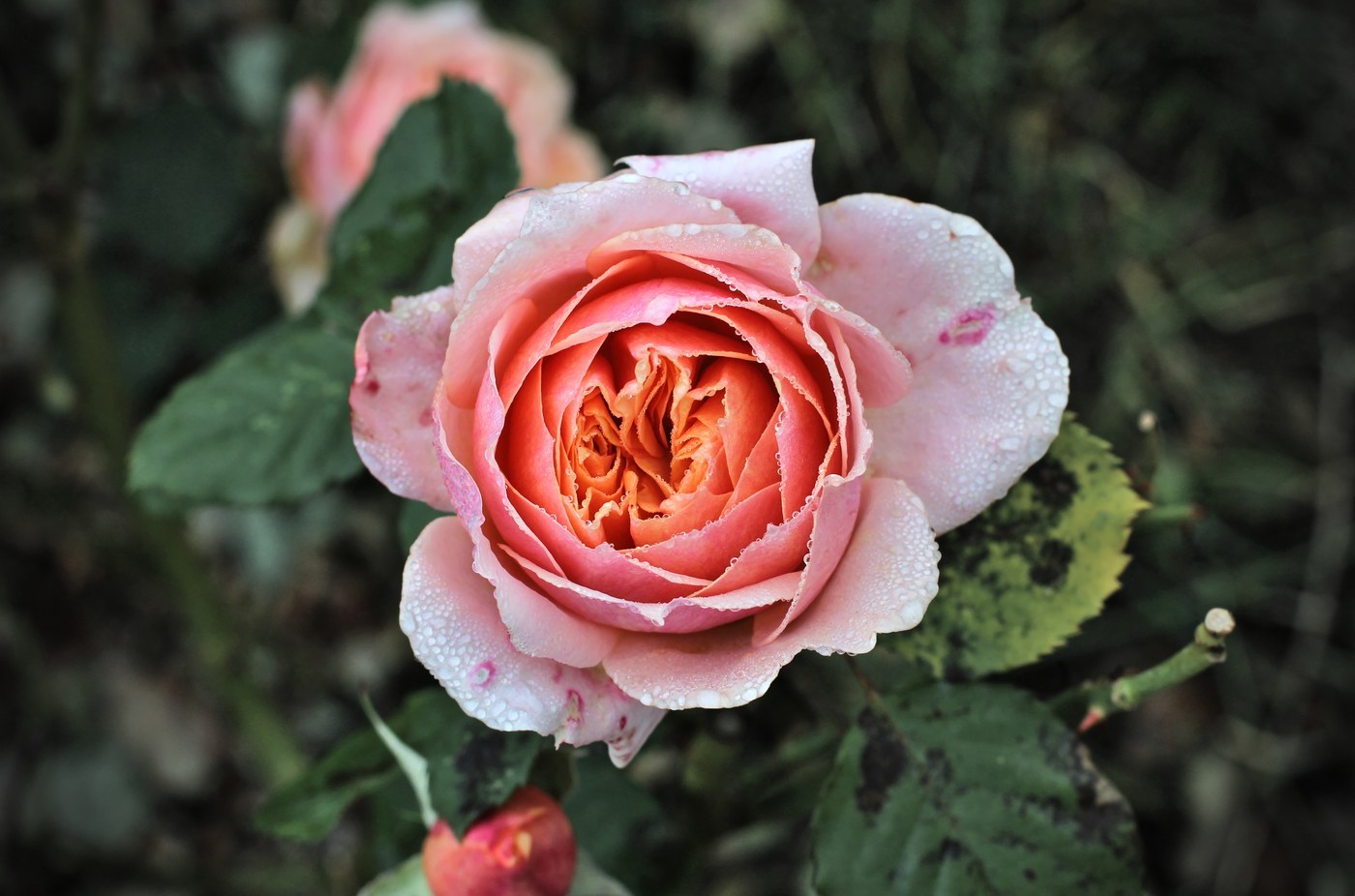
Key Identifying Features
Roses (Rosa species and hybrids) are woody shrubs and climbers identified by the combination of prickly (thorny) stems, compound leaves with an odd number of toothed leaflets, and showy five-petaled (or many-petaled cultivated) flowers followed by fleshy hips.
- Prickly canes — curved or straight prickles along the stems
- Pinnately compound leaves, usually 5–7 serrated leaflets
- Flowers with petals in multiples of five, often fragrant
- Rose hips (red/orange fruit) after flowering
Leaves & Stems
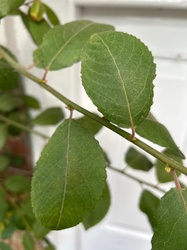
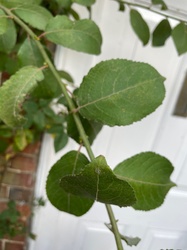
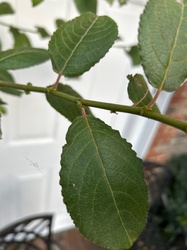
Leaves are alternate and pinnately compound, typically with 5 to 7 (sometimes 3–9) leaflets arranged along a central stalk with one leaflet at the tip. Each leaflet is oval, pointed, with finely toothed (serrated) margins and often a slightly glossy or matte green surface; the leaf base has small leaf-like stipules clasping the stem. Canes are green to reddish, woody with age, and armed with prickles (botanically not true thorns) that may be hooked, straight, or, in some species, bristly. Stipules fused to the petiole base are a reliable rose family clue.
Flowers & Fruit
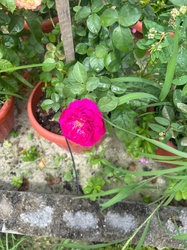
Wild and species roses have five petals in white, pink, red or yellow surrounding a boss of many yellow stamens. Cultivated hybrids are often double, with many petals, in nearly every color except true blue. Flowers are frequently fragrant. After bloom, fertilized flowers form rose hips — rounded to flask-shaped fleshy fruits ripening red to orange — a key identifier when flowers are gone.
How to Tell It Apart from Look-Alikes
- vs. Brambles (blackberry/raspberry, Rubus): also prickly with compound leaves, but Rubus produces aggregate berries, not hips, and leaflets are often whitish underneath
- vs. Potentilla (cinquefoil): similar five-petaled flowers and toothed leaflets but no prickles and a low herbaceous habit
- vs. Rose of Sharon (Hibiscus)/Rosa rugosa look-alikes: hibiscus has simple leaves and a central staminal column, not compound leaves and prickly canes
The prickly cane + compound toothed leaves + stipules + hips combination confirms a true rose.
Where You'll Find It
Roses are grown worldwide in gardens, hedges and containers, and many species grow wild in hedgerows, woodland edges and scrub across the Northern Hemisphere (Europe, Asia, North America, the Middle East).
Quick ID Checklist
- Prickly (thorny) woody canes
- Compound leaves, usually 5–7 toothed leaflets
- Small stipules clasping the leaf base
- Five-petaled (or double) often fragrant flowers
- Red/orange rose hips after flowering
Frequently asked questions
Are rose thorns really thorns?
Botanically they are prickles — outgrowths of the bark/epidermis — not true thorns (which are modified branches). Either way, prickly canes are a key rose identifier.
How many leaflets does a rose leaf have?
Most roses have pinnately compound leaves with 5 to 7 toothed leaflets, though the range can be 3 to 9. An odd number with a single tip leaflet is typical.
How do I tell a rose from a blackberry bush?
Both are prickly with compound leaves, but roses form fleshy rose hips while blackberries (Rubus) form aggregate berries. Rose leaflets also clasp the stem with paired stipules.
What are the red fruits after the flowers fade?
Those are rose hips, the fleshy fruit of the rose. Their rounded to flask shape and red-orange color help confirm a rose even when it is not in bloom.
Rose identified by the community
Recent Rose specimens identified with Plant Identifier.