How to Care for Rosemary
Grow woody, aromatic rosemary in full sun with lean, fast-draining soil and infrequent deep watering for a tough Mediterranean evergreen.
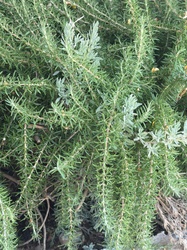
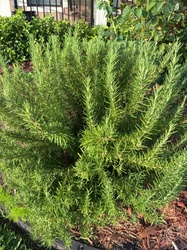
Read the full Rosemary encyclopedia entry →Rosemary (Salvia rosmarinus) is a woody, needle-leaved Mediterranean evergreen prized for its silvery-green foliage and sky-blue flowers. It is an easy, drought-tolerant shrub as long as you give it strong light and never let it sit in wet soil.
Light
Rosemary demands full sun — aim for at least six to eight hours of direct light daily. Outdoors, give it your brightest, most open spot. Indoors it is far fussier: place it directly against your sunniest south- or west-facing window, and supplement with a grow light in winter, since weak light causes thin, floppy, mildew-prone growth.
Water
Keep watering low and let the soil dry substantially between drinks. Water deeply, then wait until the top inch or two of soil is dry before watering again. Rosemary far prefers to run dry than to stay soggy; chronic overwatering and poor drainage are the most common ways it declines. In containers, always empty the saucer so roots never stand in water.
Soil & Potting
Use a lean, gritty, sharply draining mix. A cactus or Mediterranean-herb blend cut with extra perlite, pumice, or coarse sand works well. Rosemary tolerates poor, rocky soil and prefers a neutral to slightly alkaline pH. Always plant in a container with generous drainage holes — unglazed terracotta is ideal because it wicks moisture away from the roots.
Humidity & Temperature
Rosemary likes warm days and dry air, and resents humid, stagnant conditions that invite mildew. Give it good airflow at all times. It handles heat easily and tolerates mild frost once established, though hardiness varies by cultivar; in cold-winter climates grow it in a pot you can move to a bright, cool, frost-free spot indoors.
Feeding
This is a light feeder that actually performs best in lean soil. A single light dose of balanced, diluted fertilizer in spring is plenty for garden plants. Container specimens can be fed a weak liquid feed once a month during active spring and summer growth. Avoid heavy nitrogen, which produces soft, weak, less aromatic growth.
Propagation
Rosemary roots readily from stem cuttings. Take four-inch tip cuttings from semi-woody growth, strip the lower leaves, and insert into moist, gritty mix; keep lightly damp with good airflow and roots form in a few weeks. You can also layer a low branch by pinning it to the soil until it roots. Seed is slow and unreliable, so cuttings are the preferred method.
Repotting / Pruning
Repot container plants every year or two into the next size up, refreshing the gritty mix. Prune lightly and often to keep the plant bushy — pinch or trim the soft green tips after flowering to encourage branching. Avoid cutting hard back into old, bare wood, as rosemary is slow or unwilling to resprout from leafless woody stems.
Common Problems & Pests
Root rot from overwatering and powdery mildew from humid, still air are the two main threats — both are prevented by dry soil and strong airflow. Indoors, watch for spider mites and aphids on tender new growth; rinse them off or treat with insecticidal soap. Yellowing lower needles usually signal soggy roots, while brown, crispy tips point to underwatering or scorching.
Seasonal Care Tips
Spring is the time to prune, feed lightly, and repot as new growth resumes. Through summer, water deeply but infrequently and enjoy the flush of flowers. In autumn, taper watering and, in cold regions, bring potted plants into a bright, cool room before hard frost. In winter, keep it cool, dry-ish, and in the brightest possible light to prevent leggy, mildew-prone growth.
Frequently asked questions
Why is my rosemary turning brown and dying?
The usual culprit is soggy soil and root rot from overwatering or poor drainage. Let the soil dry well between waterings, use a gritty fast-draining mix, and make sure the pot drains freely.
Can I grow rosemary indoors?
Yes, but it needs your brightest window and often a supplemental grow light. Poor indoor light causes leggy growth and powdery mildew, so prioritize maximum sun and good airflow.
How often should I water rosemary?
Water deeply, then wait until the top inch or two of soil is dry. It prefers to run dry rather than stay wet, so err toward less frequent watering.
Why won't my rosemary regrow after a hard pruning?
Rosemary rarely resprouts from bare, leafless old wood. Always prune into green, leafy growth and trim little and often to keep it bushy.
Rosemary identified by the community
Recent Rosemary specimens identified with Plant Identifier.