How to Care for Salvia
Grow Salvia officinalis (garden sage) as an easy, drought-tolerant evergreen with aromatic gray-green foliage for sunny, well-drained spots.
Read the full Salvia encyclopedia entry →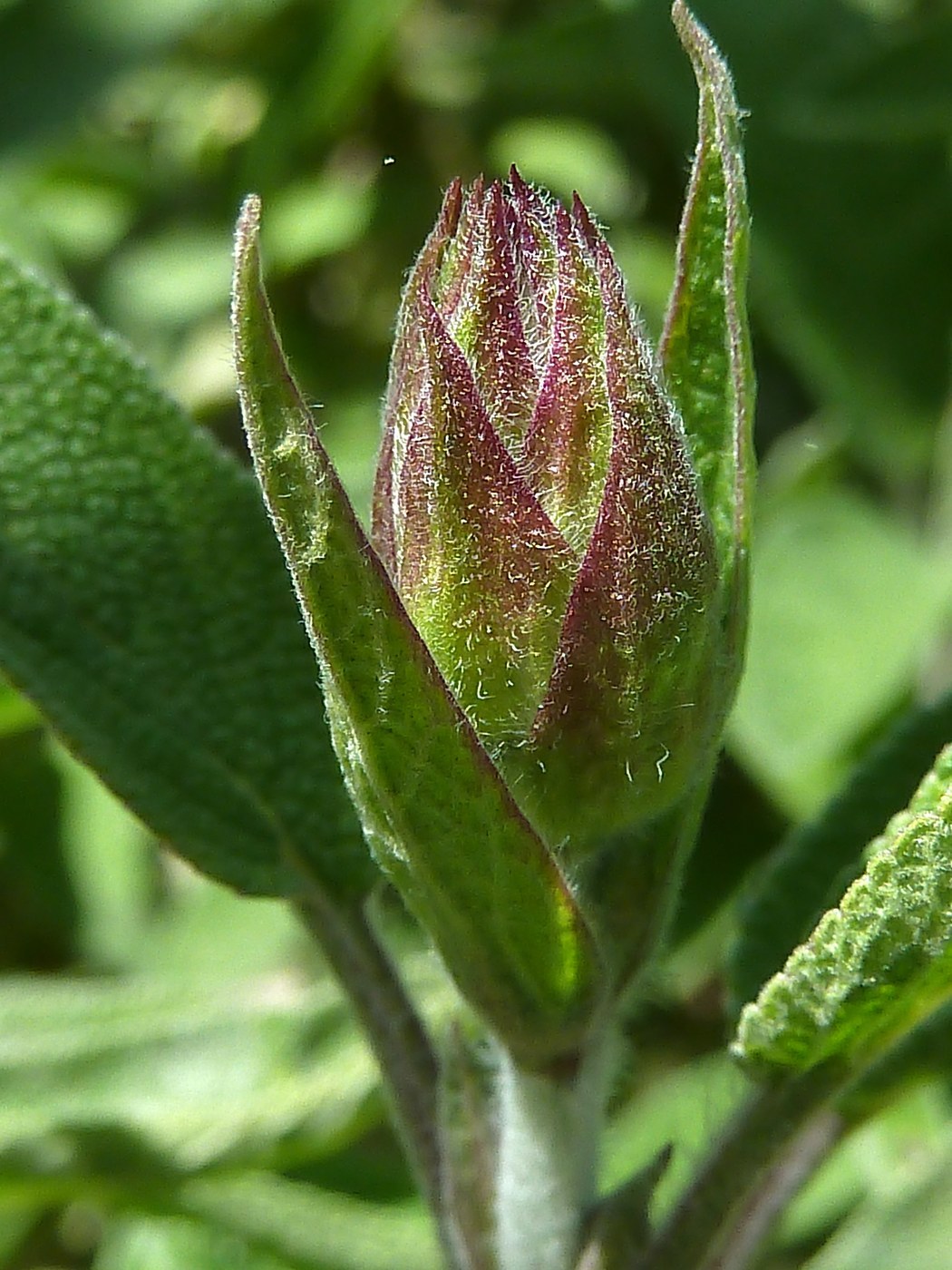
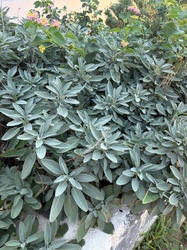
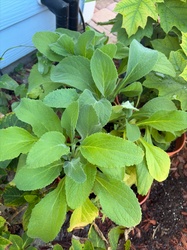
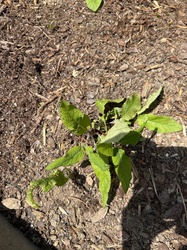
Salvia (Salvia officinalis), commonly known as garden sage, is an easy evergreen sub-shrub with soft, aromatic gray-green foliage and spikes of blue-purple flowers in summer. It is a Mediterranean plant that thrives on sun and sharp drainage, making it a low-maintenance choice for borders, herb gardens, and containers.
Light
Salvia demands full sun. Give it at least six to eight hours of direct light daily for compact, healthy growth and the strongest aromatic foliage. In shade it grows leggy, flops, and becomes prone to disease. The sunniest, warmest spot in the garden suits it best.
Water
This is a drought-tolerant plant that dislikes constant moisture. Let the soil dry out between waterings, and water only occasionally once established. Overwatering is the most common cause of decline, leading to root rot and woody dieback. Container plants need a little more attention in heat but should still be allowed to dry between drinks.
Soil & Potting
Sharp drainage is essential. Grow salvia in light, well-drained, even gritty soil of neutral to slightly alkaline pH. Heavy, wet clay is the enemy; improve it with grit or plant on a raised mound. In containers, use a free-draining mix with added grit or perlite and ensure generous drainage holes.
Humidity & Temperature
Salvia prefers warm, dry air and good ventilation. It resents humid, stagnant conditions, which encourage mildew. Many forms are moderately cold hardy and evergreen in mild winters, though harsh wet cold can damage them; sharp drainage greatly improves winter survival.
Feeding
Salvia needs little feeding and actually performs better in lean soil. A light spring application of balanced fertilizer or a thin compost topdressing is plenty. Overfeeding produces soft, floppy growth with weaker aroma and makes plants more disease prone.
Propagation
Propagate readily from softwood or semi-hardwood cuttings taken in late spring or summer, which root easily in a gritty mix. It can also be grown from seed sown in spring, and low branches will often layer themselves where they touch the soil. Divide or layer to renew older plants.
Repotting / Pruning
Prune lightly each spring to keep the plant bushy and prevent it becoming woody and sparse; avoid cutting hard into old bare wood, which may not resprout. Trim after flowering to maintain shape. Replace or renew plants from cuttings every few years as they get leggy. Repot container plants in spring into fresh gritty mix.
Common Problems & Pests
Root rot from wet soil is the main threat, so drainage is critical. In humid, crowded conditions powdery mildew can coat the leaves; improve air flow and spacing. Watch for spider mites in hot dry spells and occasional whitefly. Old plants naturally become woody and open in the center and are best renewed.
Seasonal Care Tips
Growth and flowering peak in summer with the plant basking in heat. Prune lightly in spring to shape and rejuvenate. In cold, wet regions, ensure excellent drainage or grow in pots that can be sheltered over winter. Ease off watering as temperatures drop, and avoid soggy roots in the dormant season.
Frequently asked questions
Why is my sage plant becoming woody and sparse?
This is natural with age. Prune lightly each spring to keep it bushy, avoid cutting into bare old wood, and renew plants from cuttings every few years.
How often should I water sage?
Sparingly. Let the soil dry between waterings, as sage is drought tolerant and overwatering causes root rot. Container plants need only slightly more in heat.
Can I grow salvia in a pot?
Yes. Use a free-draining gritty mix with generous drainage holes, place it in full sun, and let it dry out between waterings.
Why does my sage keep getting mildew?
Powdery mildew thrives in humid, crowded, shaded conditions. Give it full sun, space plants for air flow, and avoid overhead watering.
Salvia identified by the community
Recent Salvia specimens identified with Plant Identifier.