Salvia
Salvia officinalis
Salvia is the huge genus of sages, spanning the culinary herb of the kitchen, aromatic shrubs, and a vast range of ornamental perennials with vivid flower spikes that hummingbirds and bees adore.
- Light
- Full sun
- Water
- Drought-tolerant; let soil dry
- Difficulty
- Easy
Got a plant like this?
Identify any plant from a photo, free.
Overview
Salvia is the largest genus in the mint family (Lamiaceae), with hundreds of species ranging from the culinary herb common sage (Salvia officinalis) to ornamental border sages and dramatic flowering shrubs.
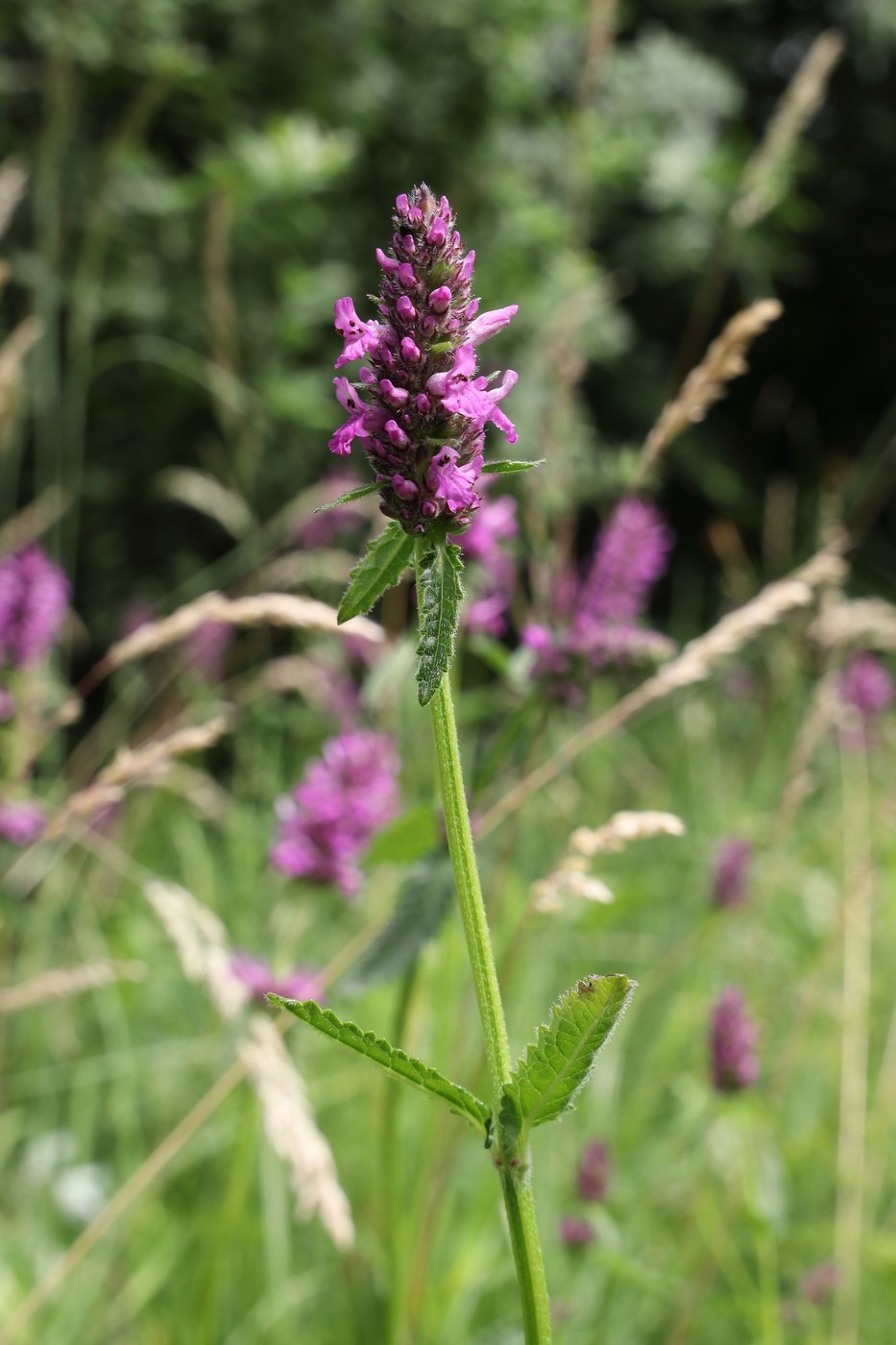
Salvias share aromatic foliage and characteristic two-lipped tubular flowers carried on spikes, in colors from the scarlet of bedding salvia (Salvia splendens) to the deep blues and purples of perennial border sages. They are tough, mostly drought-tolerant plants that flower over a long season.
This profile centers on common sage but reflects the genus's enormous ornamental range.
How to identify it
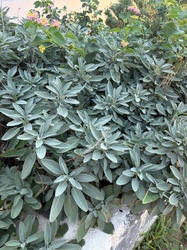
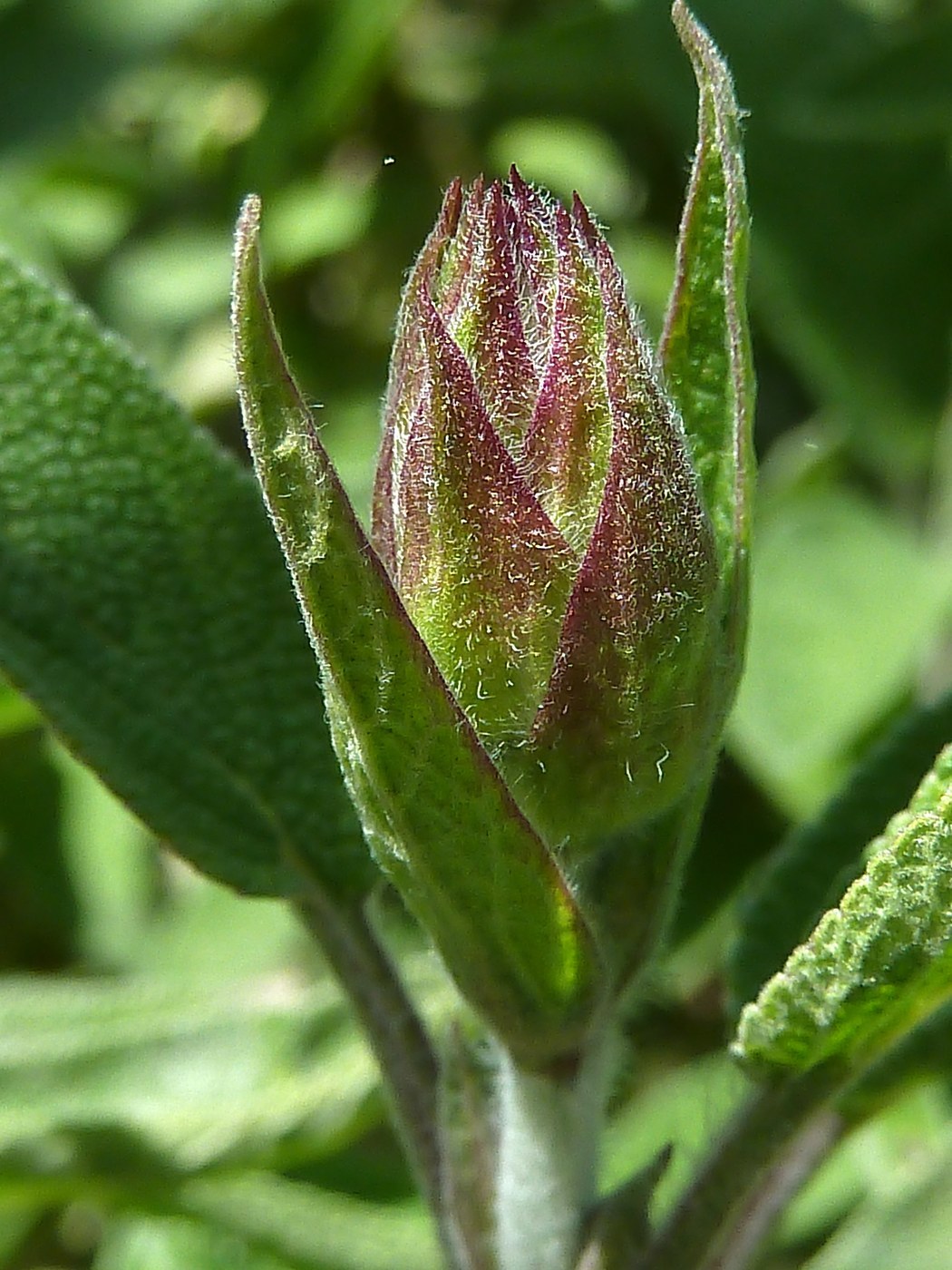
Salvias share the aromatic foliage and hooded flowers of the mint family.
- Flowers: Tubular, two-lipped blooms arranged in whorls along upright spikes; colors include red, blue, purple, pink, and white
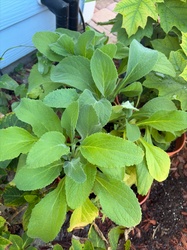
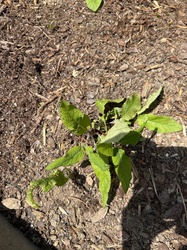
- Leaves: Opposite, often gray-green, soft or textured, and strongly aromatic when crushed
- Stems: Square in cross-section (typical of the mint family)
- Habit: Ranges from low herbaceous perennials and bedding annuals to woody subshrubs
- Size: From compact 1-ft mounds to shrubby sages over 4 ft tall
Care & growing
Most salvias are sun-loving and drought-tolerant once established.
- Light: Full sun for best flowering
- Water: Let soil dry between waterings; most salvias are drought-tolerant and dislike wet feet
- Soil: Well-drained soil is essential; lean to average fertility suits them
- Temperature: Hardiness varies widely by species; culinary sage is hardy in USDA zones 4-8
- Feeding: Minimal; over-feeding reduces flowering and aroma
- Propagation: Cuttings root easily; many species grow from seed, and clumps can be divided
Trim woody sages lightly in spring to keep them bushy, and deadhead ornamental salvias to prolong bloom.
Habitat & origin
Salvias occur across the Americas, Europe, Asia, and Africa, with major centers of diversity in Central and South America and the Mediterranean. Culinary sage (Salvia officinalis) is native to the Mediterranean region, growing on dry, sunny, rocky hillsides.
The genus's wide range means salvias are adapted to many habitats, from arid scrub to montane grassland. Ornamental and culinary salvias are now grown in temperate and warm gardens worldwide.
Frequently asked questions
Is ornamental salvia the same as kitchen sage?
They belong to the same genus, Salvia, but kitchen sage (Salvia officinalis) is the culinary herb, while most colorful garden salvias are grown as ornamentals.
Do salvias attract hummingbirds?
Yes, many salvias, especially red and tubular-flowered species, are excellent at attracting hummingbirds as well as bees and butterflies.
How do I keep salvia blooming?
Give full sun, avoid overwatering, and deadhead spent flower spikes regularly to encourage repeat blooming through the season.
Are salvias drought-tolerant?
Most salvias are quite drought-tolerant once established and prefer well-drained soil, making them good choices for hot, dry gardens.
Salvia guides
In-depth guides for identifying, growing, and caring for Salvia.
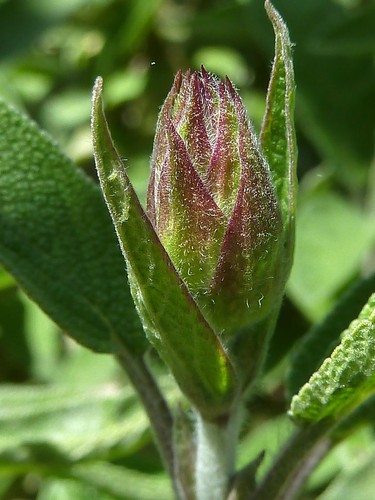
How to Care for Salvia
Grow Salvia officinalis (garden sage) as an easy, drought-tolerant evergreen with aromatic gray-green foliage for sunny, well-drained spots.
Salvia Identification Guide
Identify salvia (sage) by its square stems, opposite aromatic leaves, and spikes of two-lipped tubular flowers. Covers ornamental salvias and common sage within this large mint-family genus.
Salvia identified by the community
Real specimens identified with Plant Identifier.