How to Care for Scarlet Sage
Grow vivid Scarlet Sage (Salvia splendens) with full sun, even moisture, and regular feeding for a long season of bold red spikes.
Read the full Scarlet Sage encyclopedia entry →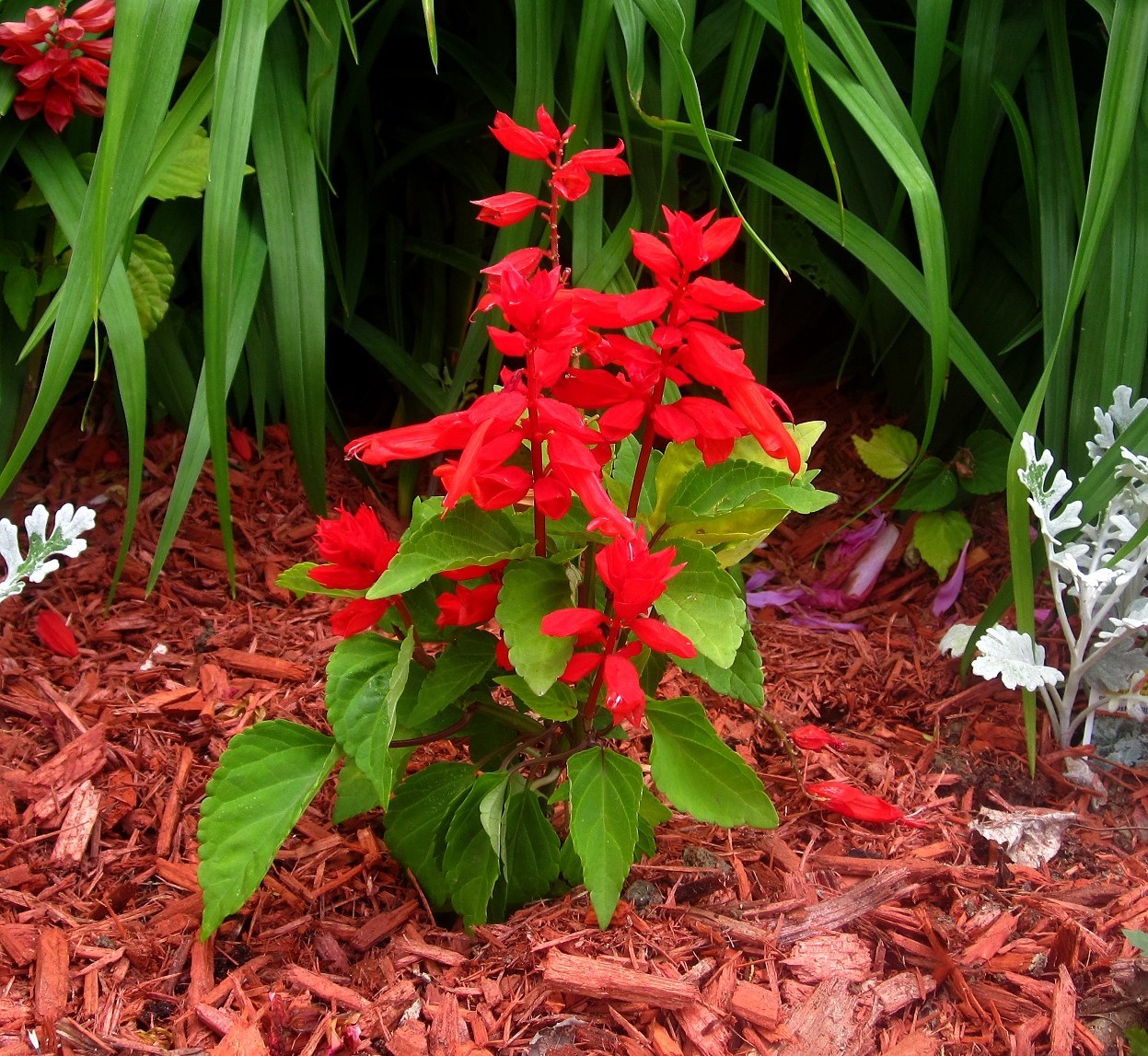
Scarlet Sage (Salvia splendens) is a popular, easy-to-grow bedding plant celebrated for its dense spikes of brilliant red (and sometimes purple, salmon, or white) tubular flowers. Fast, floriferous, and dependable, it is a reliable choice for beds, borders, and containers where bold summer color is wanted.
Light
Grow Scarlet Sage in full sun to part shade. It flowers most abundantly with at least six hours of direct sun, producing compact, sturdy plants smothered in bloom. In very hot climates a little afternoon shade helps prevent stress and fading. In too much shade the plants stretch, flower sparsely, and grow leggy, so favor the sunniest reliable spot you have.
Water
Provide moderate, regular water to keep the soil evenly moist, especially during heat and active flowering. Water when the top inch of soil begins to dry, giving a deep soak rather than frequent light sprinkles. Containers dry faster and may need daily watering in summer. Avoid both drought stress, which causes wilting and flower drop, and waterlogging. Mulching beds helps conserve even moisture.
Soil & Potting
Scarlet Sage is adaptable but performs best in fertile, well-drained soil enriched with compost. It tolerates a range of soils as long as drainage is good and water does not pool around the roots. For containers, use a quality all-purpose potting mix. Work organic matter into garden beds before planting to support the plant's steady appetite for nutrients and moisture.
Humidity & Temperature
This is a warm-season plant that thrives in typical summer heat and is frost-tender. It grows well across a broad temperature range once the weather has warmed, and does not require any special humidity. Wait until all danger of frost has passed and the soil is warm before setting plants out. Cold snaps damage the foliage and stall growth, so it is treated as an annual in most climates.
Feeding
As a fast, heavy-blooming plant it appreciates regular feeding. Apply a balanced liquid fertilizer every 2–3 weeks through the growing season, or mix a slow-release fertilizer into the soil at planting. Steady nutrition fuels continuous flowering. Avoid excessive nitrogen, which pushes lush leaves at the expense of blooms; a balanced or bloom-oriented formula gives the best flower show.
Propagation
Scarlet Sage is easily grown from seed sown indoors 6–8 weeks before the last frost; press seeds onto the surface as they need light to germinate, and keep them warm. It also roots readily from softwood stem cuttings taken in the growing season – pot them in moist mix and keep humid until rooted. Both methods are quick and reliable.
Repotting / Pruning
Regular deadheading – removing spent flower spikes – is the single best way to keep new blooms coming and the plant looking tidy. Pinch young plants once or twice early on to encourage bushy, well-branched growth. If plants become leggy or flowering slows in midsummer, a light shearing rejuvenates them for a fresh flush. For containers, pot up nursery plants into their display containers once frost has passed.
Common Problems & Pests
Generally trouble-free, Scarlet Sage can wilt and drop flowers under drought or intense heat – keep it evenly watered. In damp, crowded, poorly ventilated conditions it may develop powdery mildew or root and stem rot, so space plants for airflow and avoid soggy soil. Watch for aphids on tender new growth, whiteflies, and spider mites in hot dry spells; rinse foliage and treat with insecticidal soap as needed. Slugs and snails sometimes chew young transplants.
Seasonal Care Tips
In spring, start seeds indoors or plant out after the last frost, and pinch young plants for bushiness. Through summer, water regularly, feed every few weeks, and deadhead diligently for nonstop color. In late summer, shear leggy plants for a fresh flush. In fall, plants decline with the first frosts – pull spent annuals, or take cuttings beforehand to overwinter indoors in a bright, warm spot.
Frequently asked questions
How do I keep Scarlet Sage blooming all season?
Deadhead spent flower spikes regularly, feed every two to three weeks, and keep the soil evenly moist in full sun. Removing faded blooms is the biggest driver of continuous flowering.
Why is my Scarlet Sage leggy with few flowers?
Too little sun is the usual cause – give it at least six hours of direct light. Pinch the growing tips early to encourage branching, and avoid high-nitrogen feed that favors leaves over blooms.
Is Scarlet Sage a perennial or annual?
It is frost-tender and grown as a warm-season annual in most climates. Plant it out only after the last frost, and take cuttings in late summer if you want to overwinter it indoors.
Why are my Scarlet Sage flowers dropping?
Flower drop and wilting usually signal drought stress or extreme heat. Water deeply and evenly, mulch to hold moisture, and provide light afternoon shade in very hot climates.
Scarlet Sage identified by the community
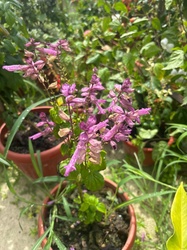
Recent Scarlet Sage specimens identified with Plant Identifier.